BEAUTIFAID
The dataset is the disease. The dataset is the cure.
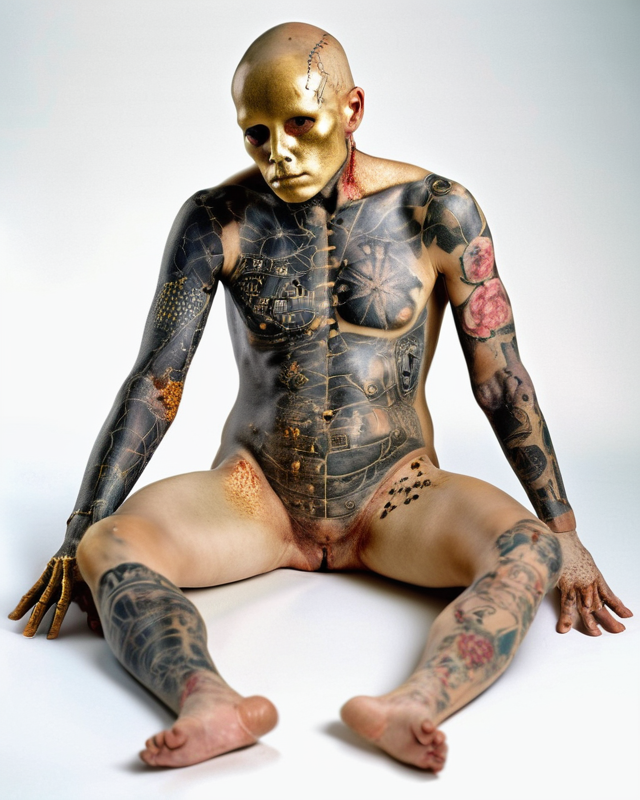
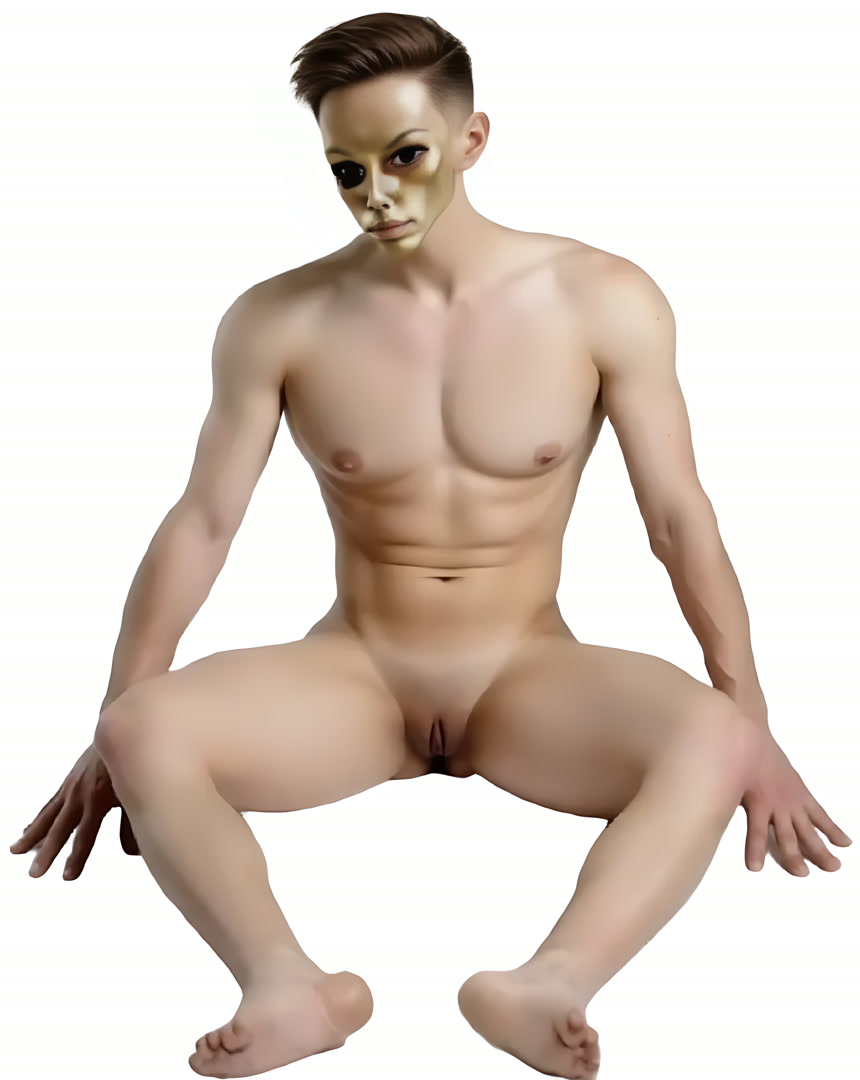
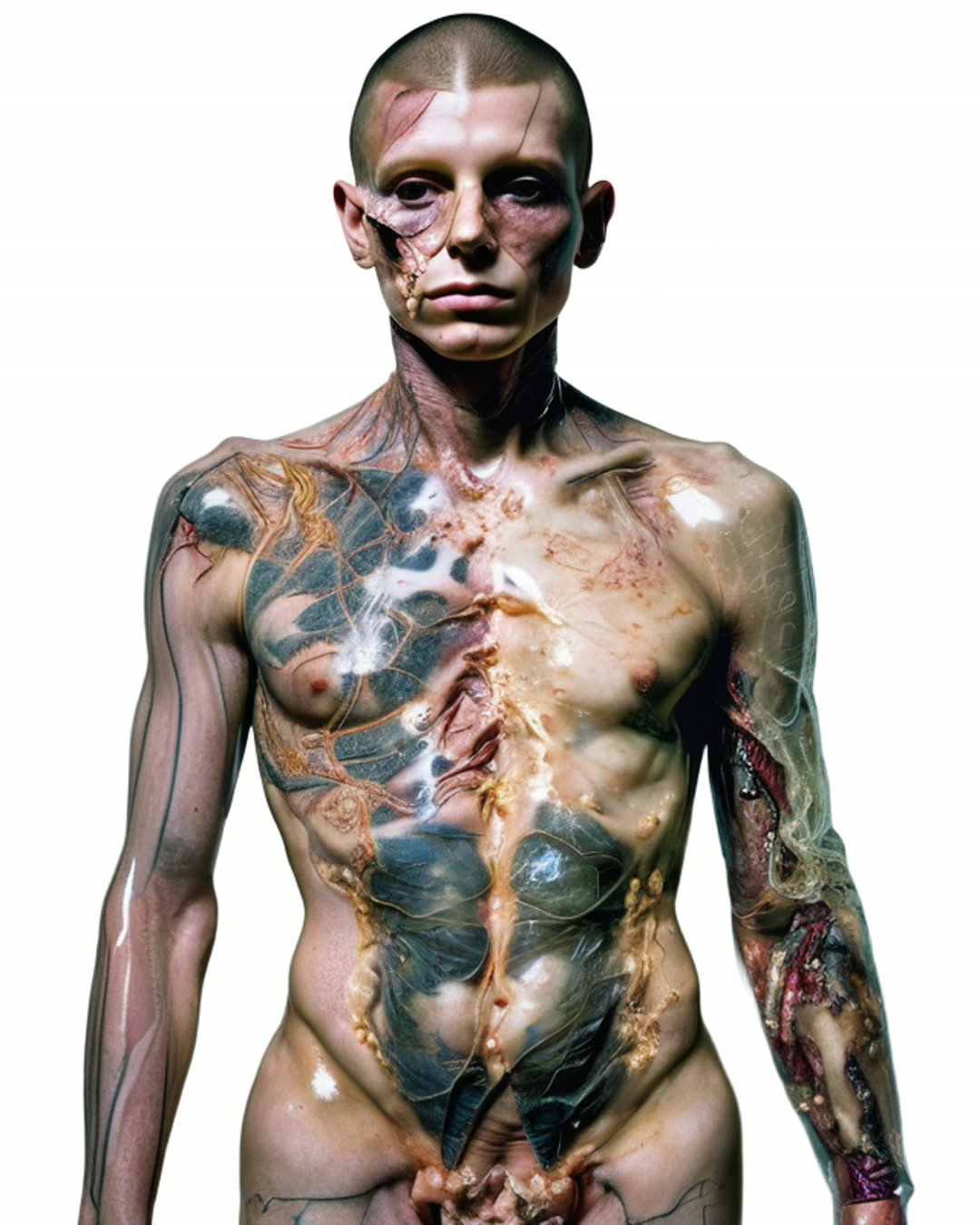
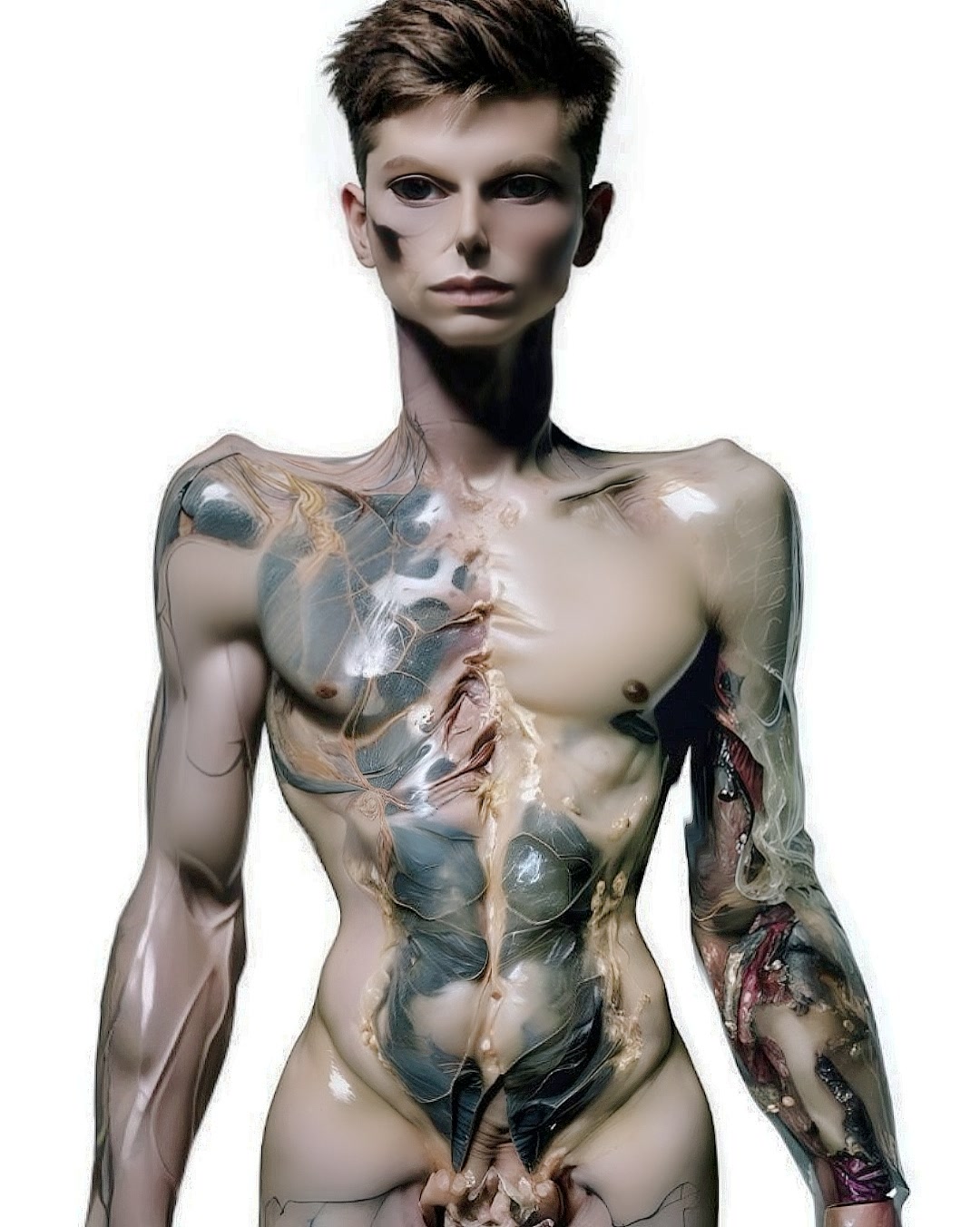
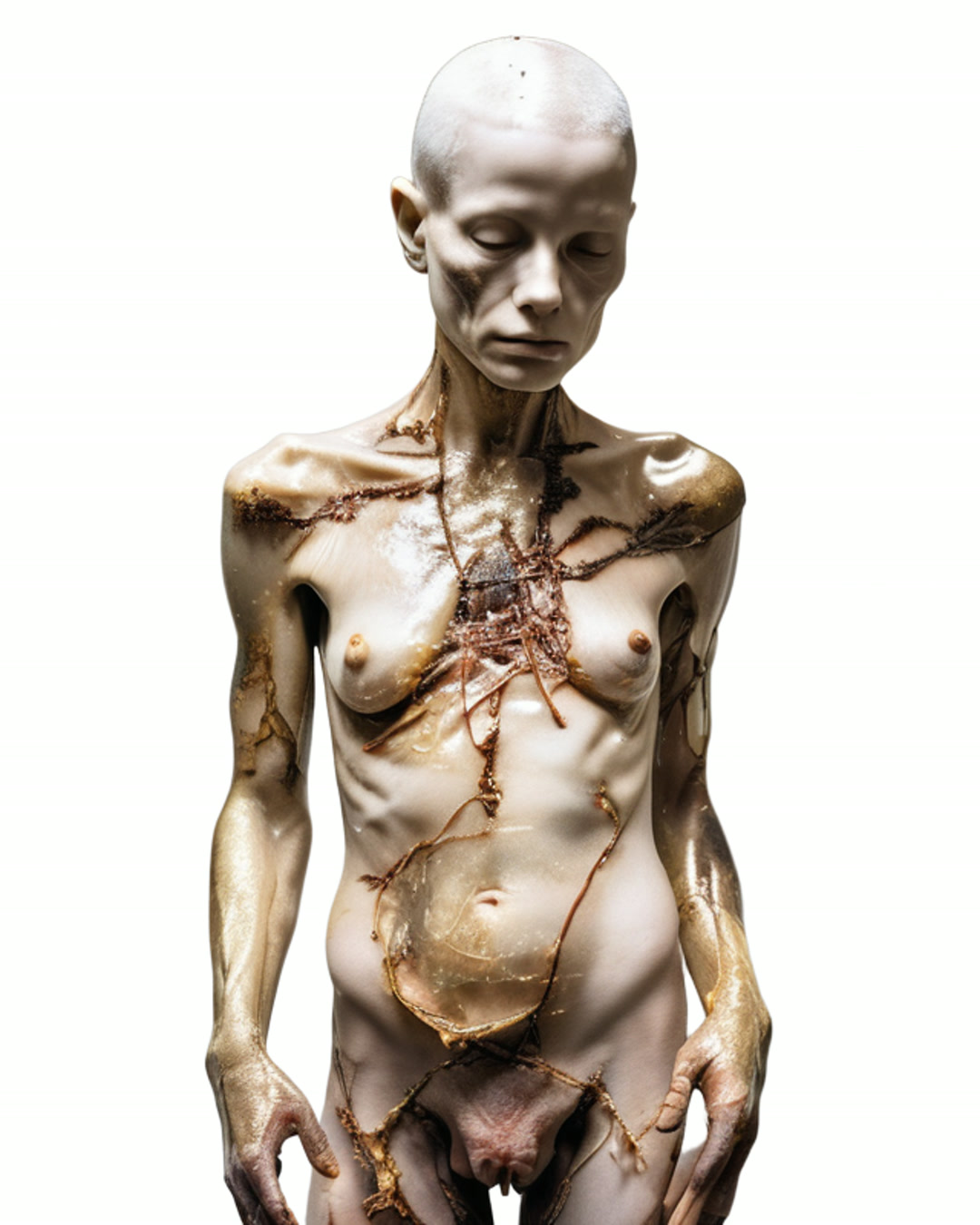
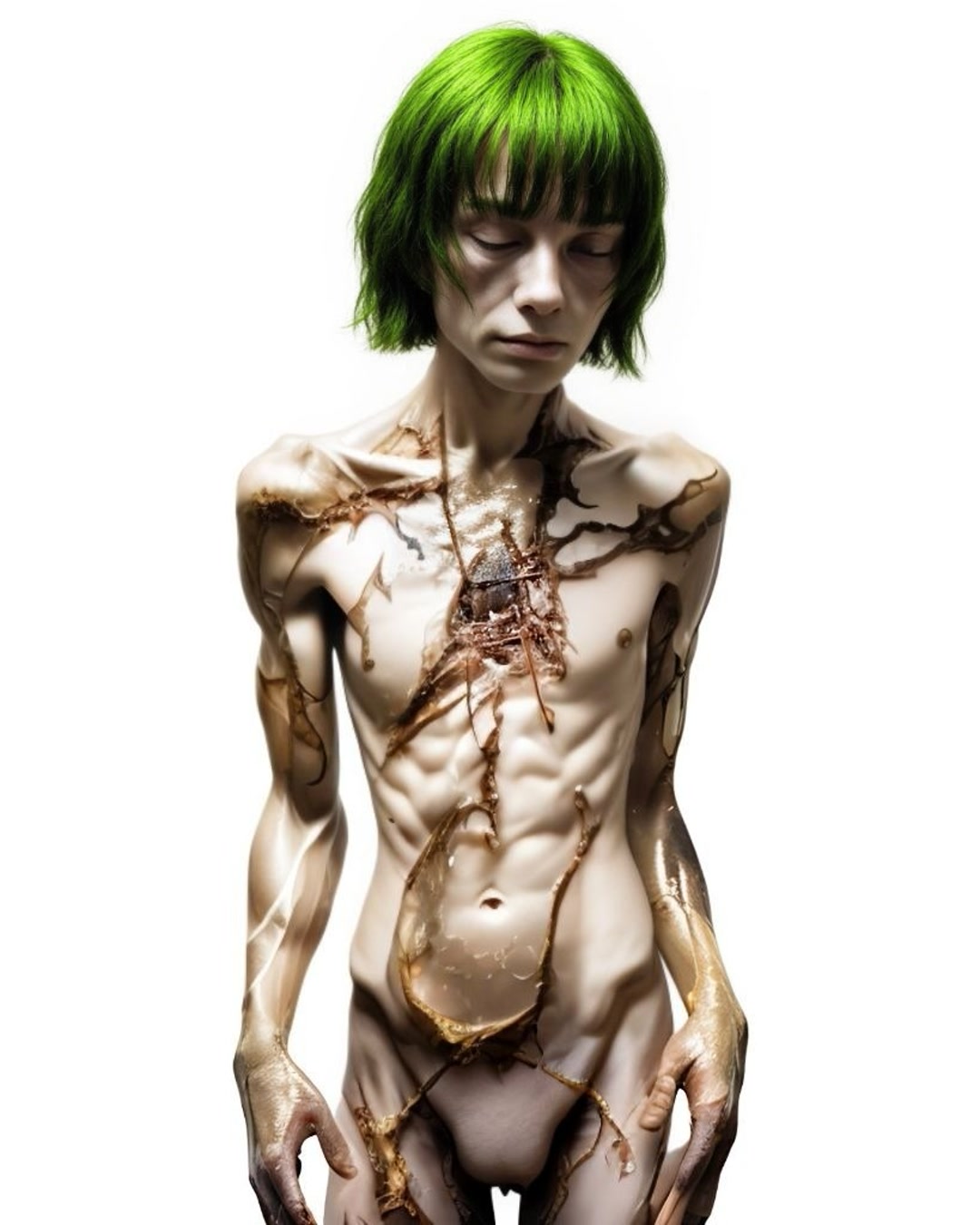
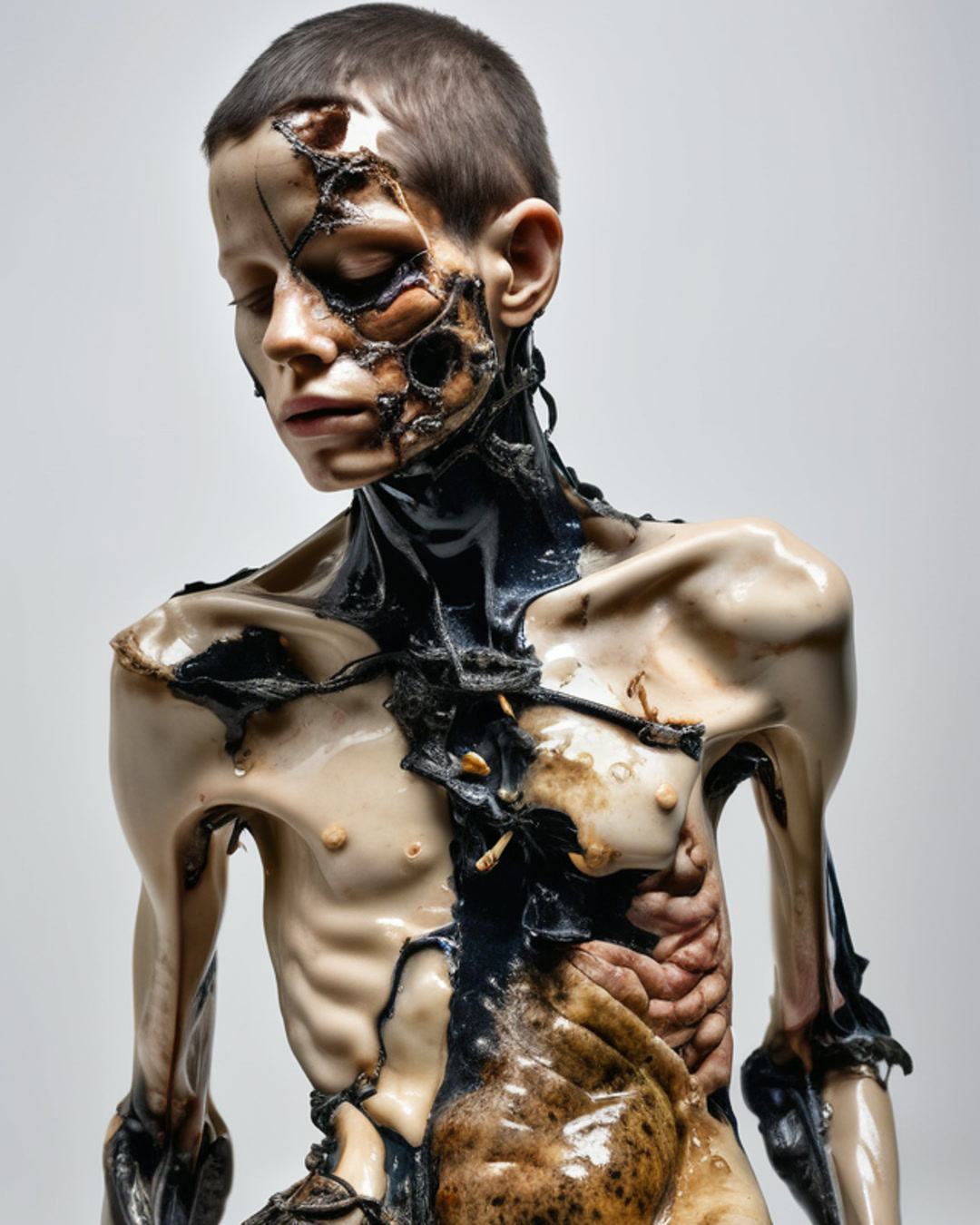
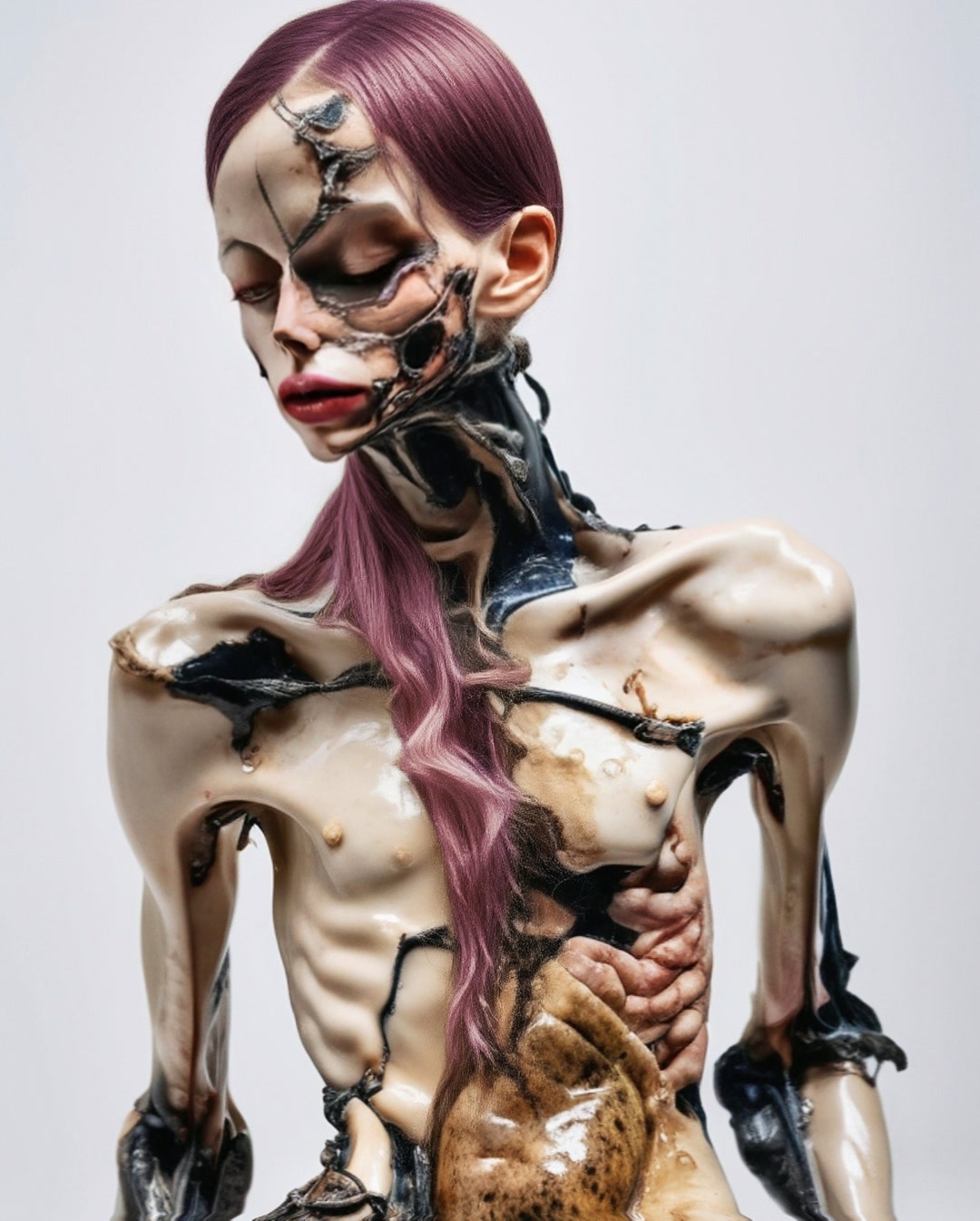
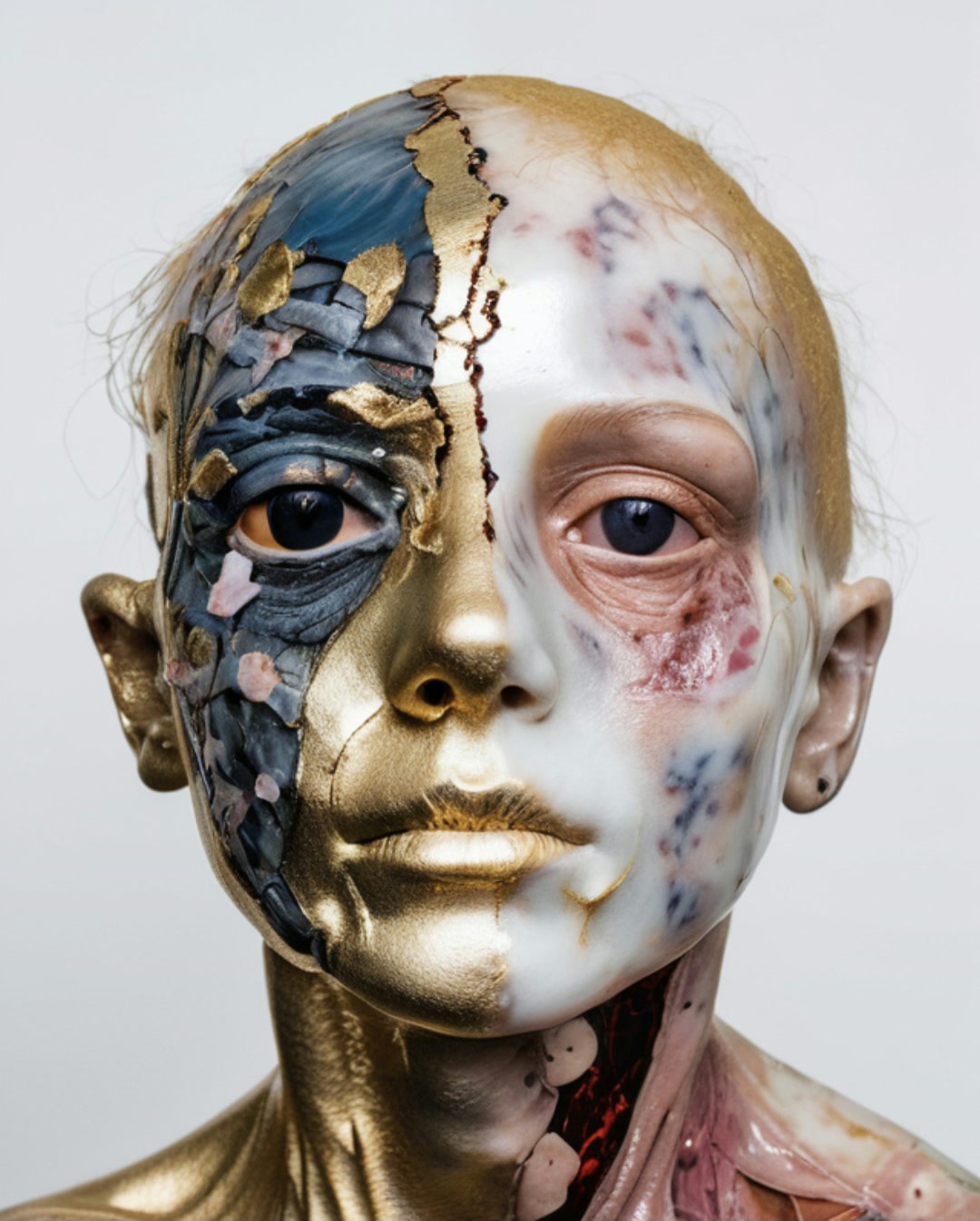
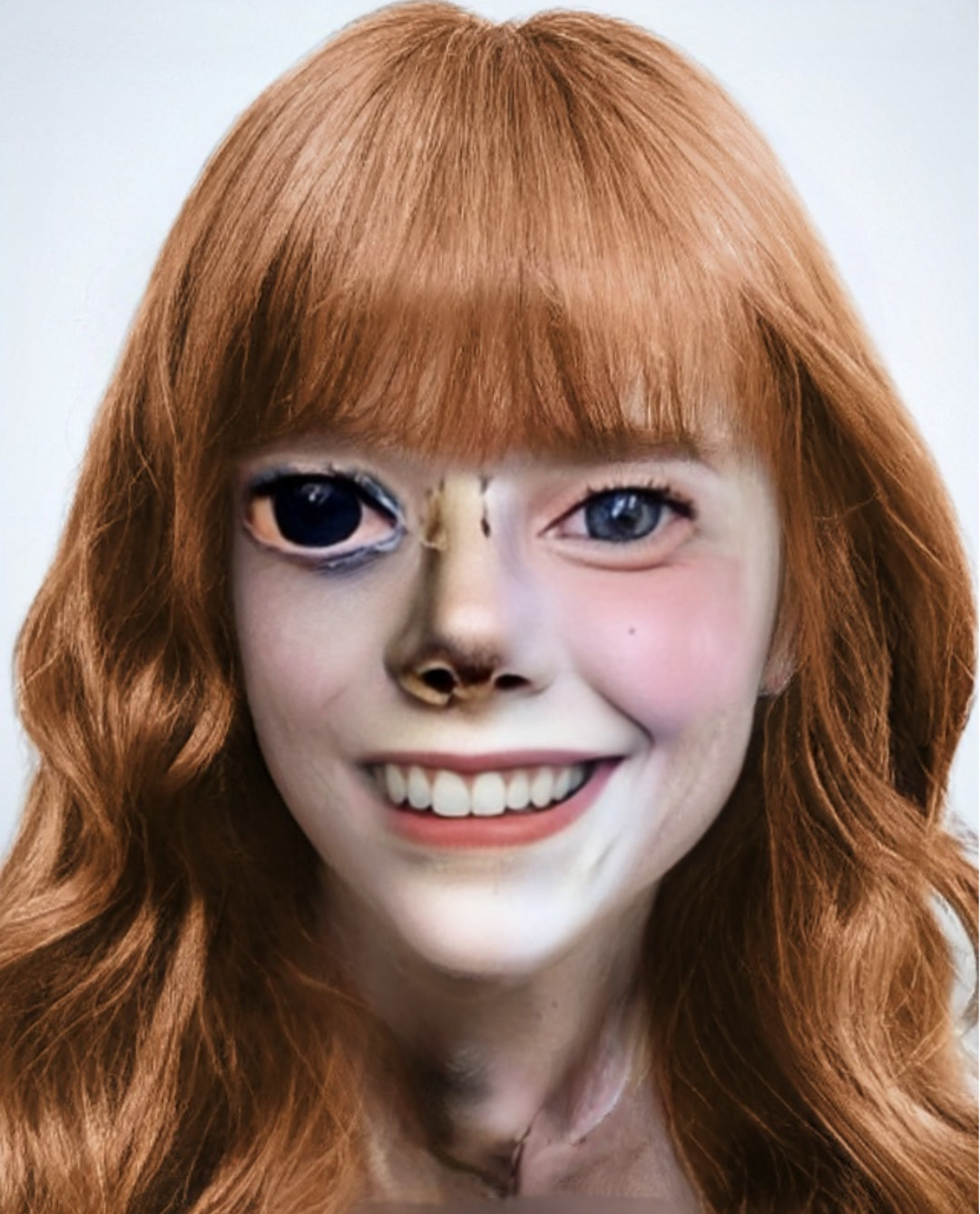
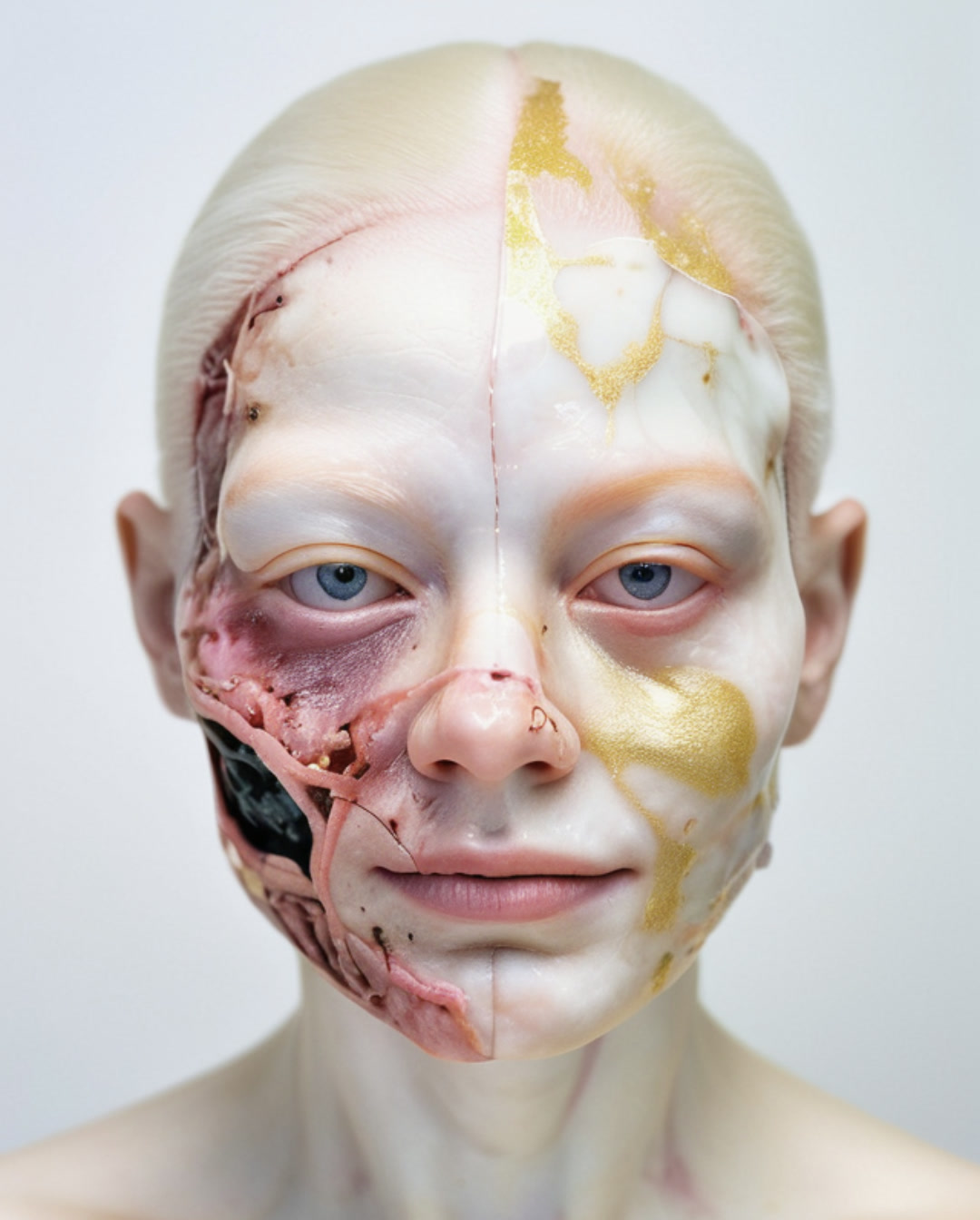
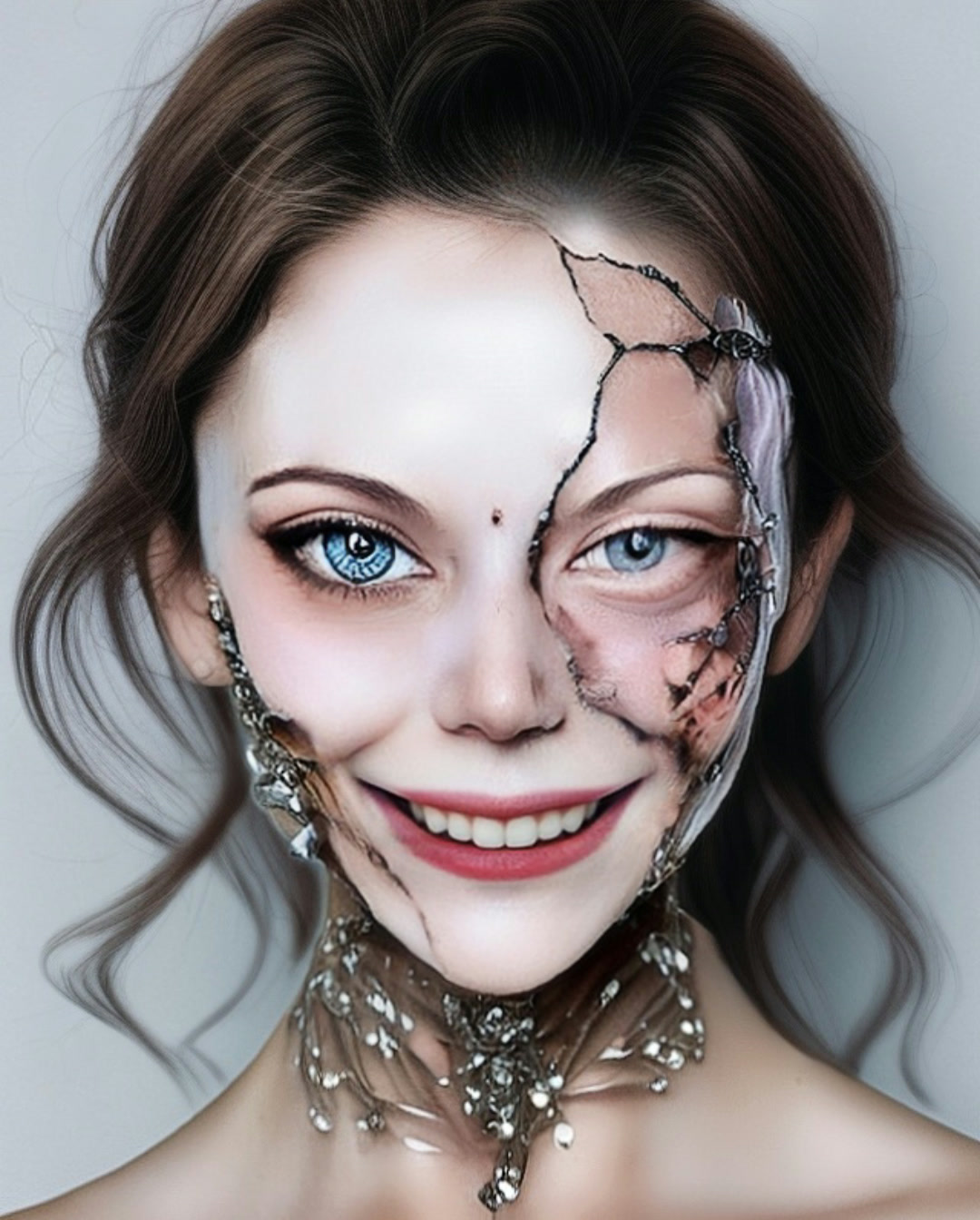
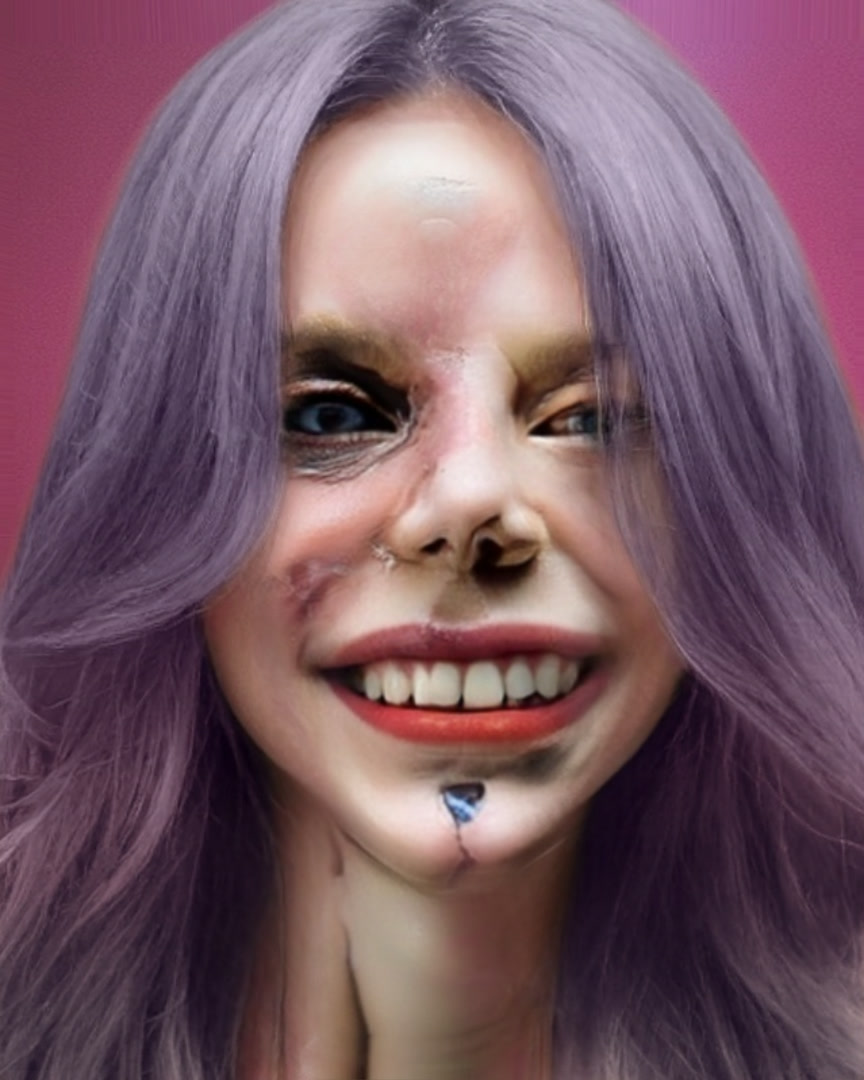
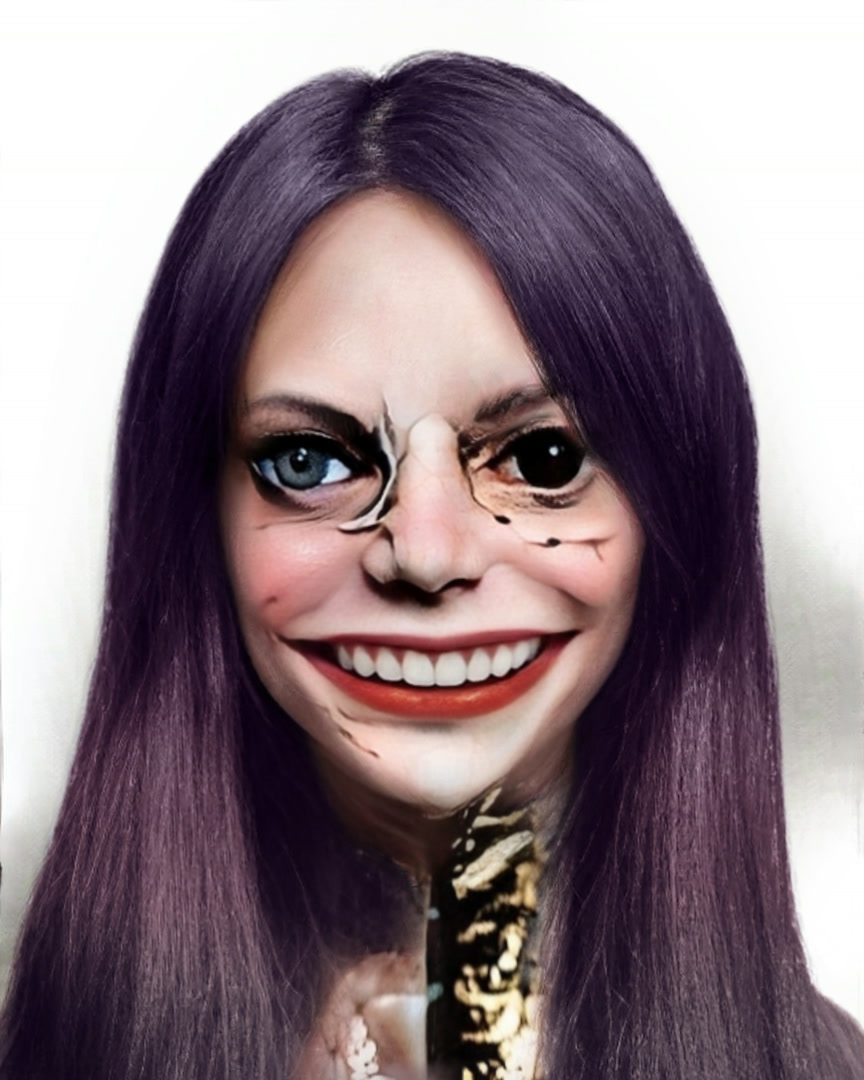
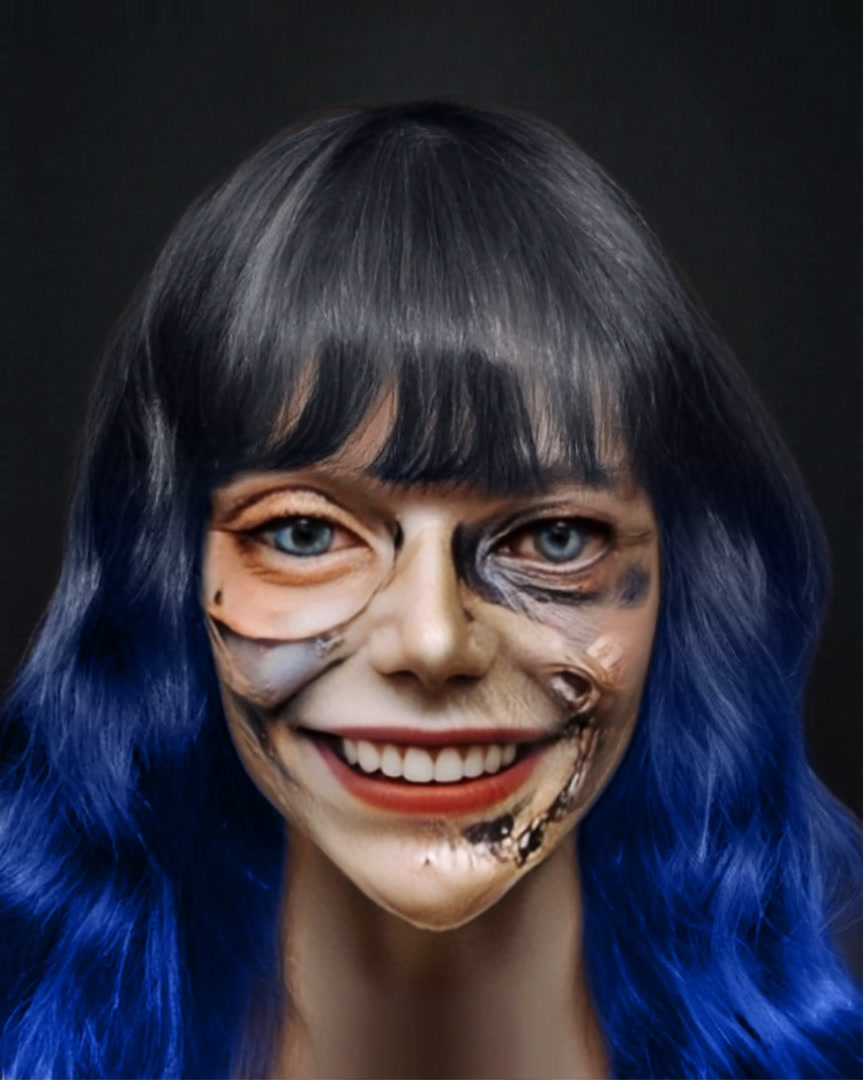
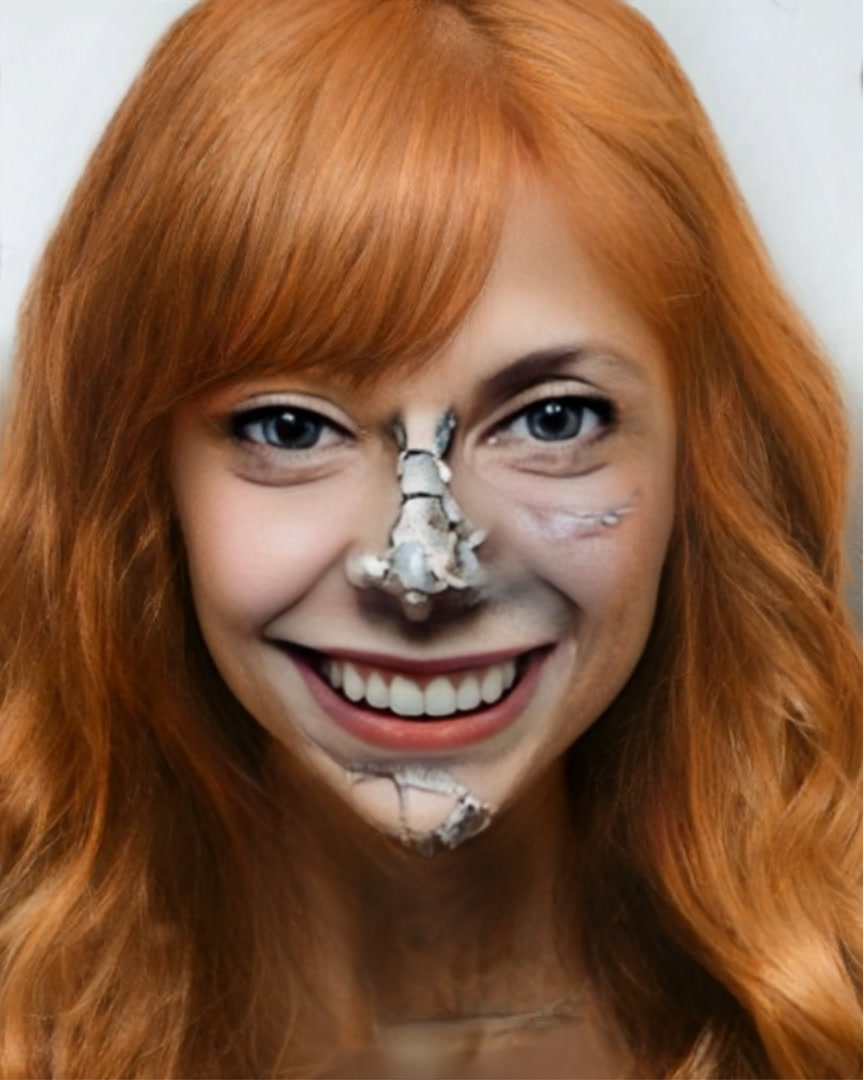
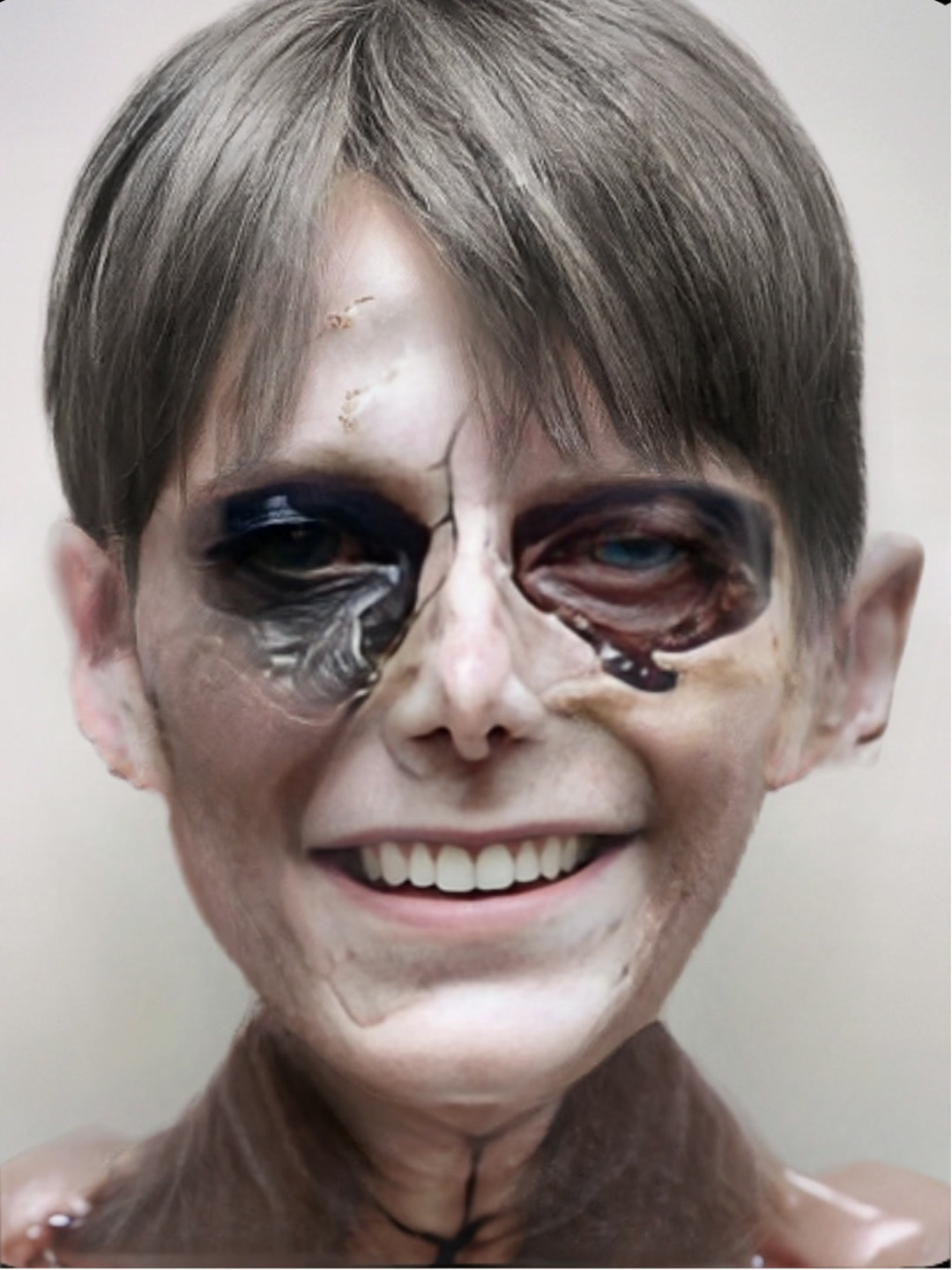
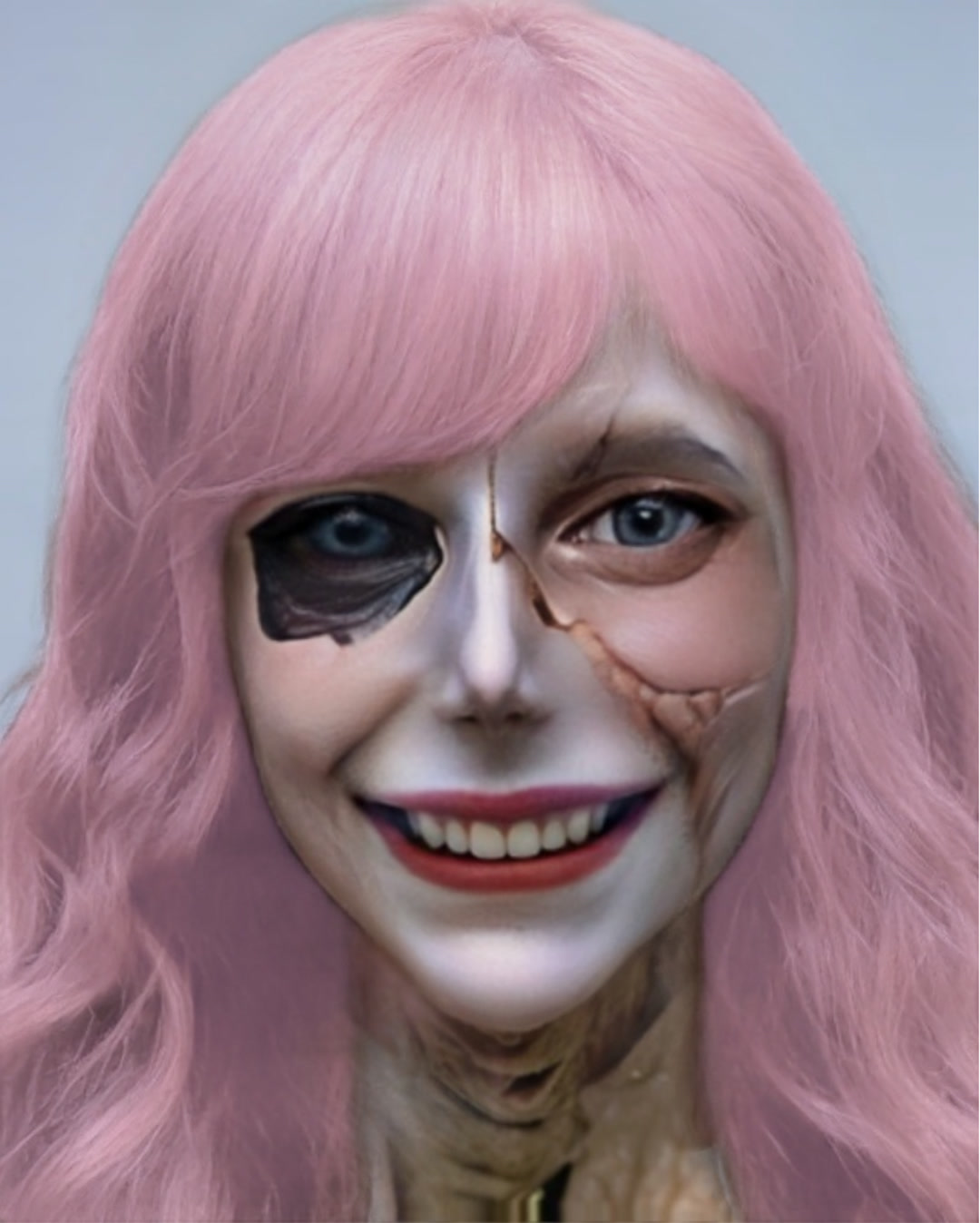
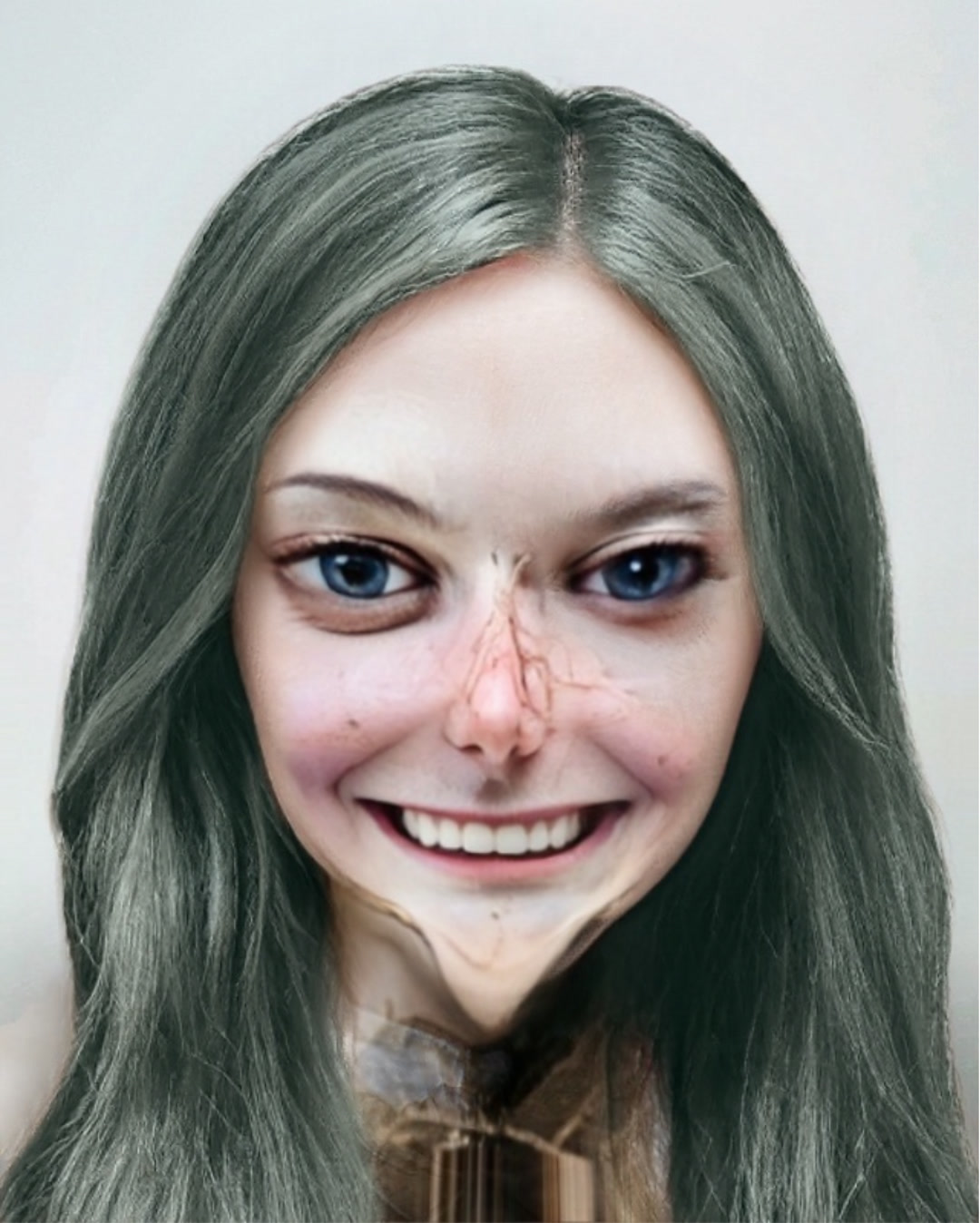
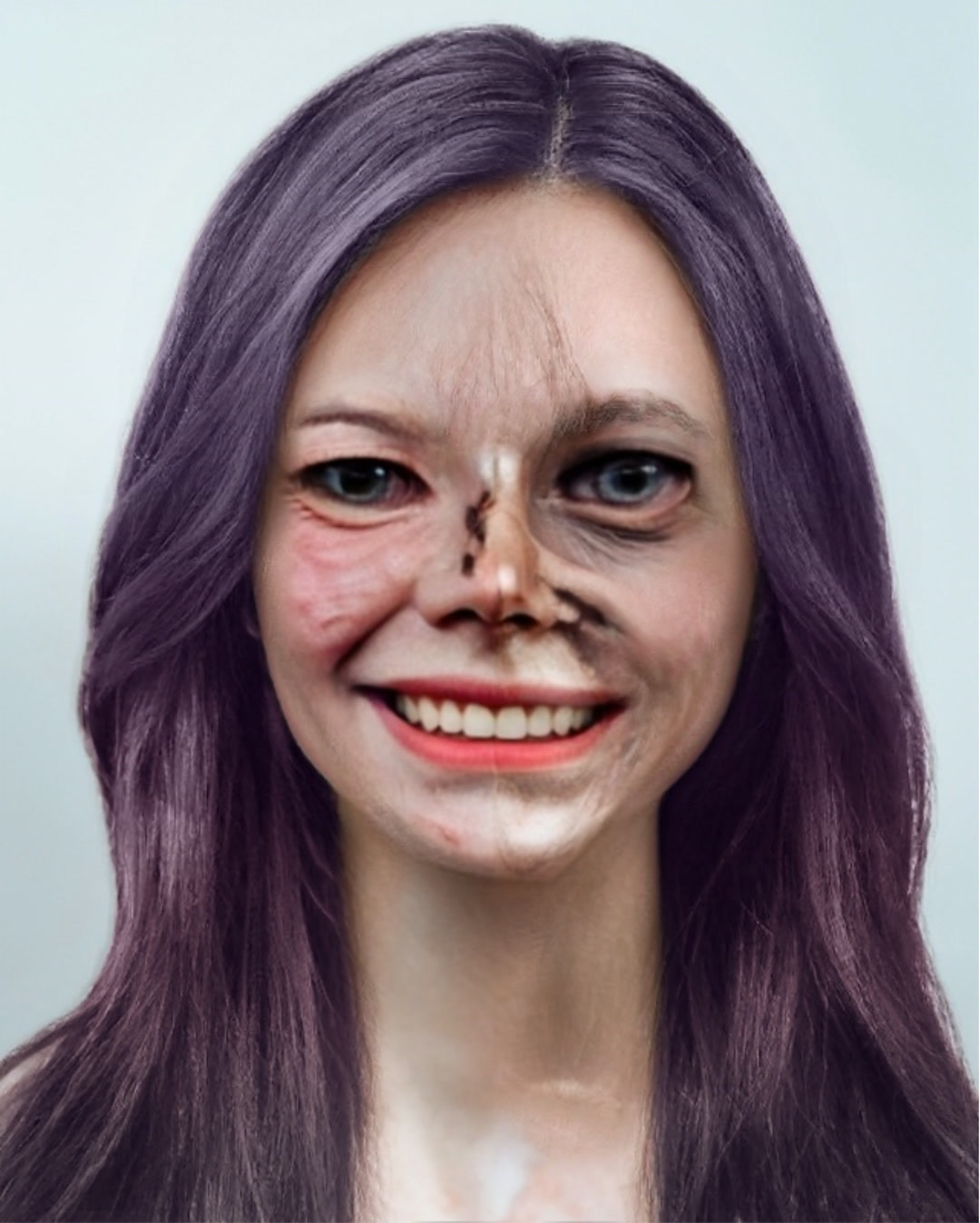
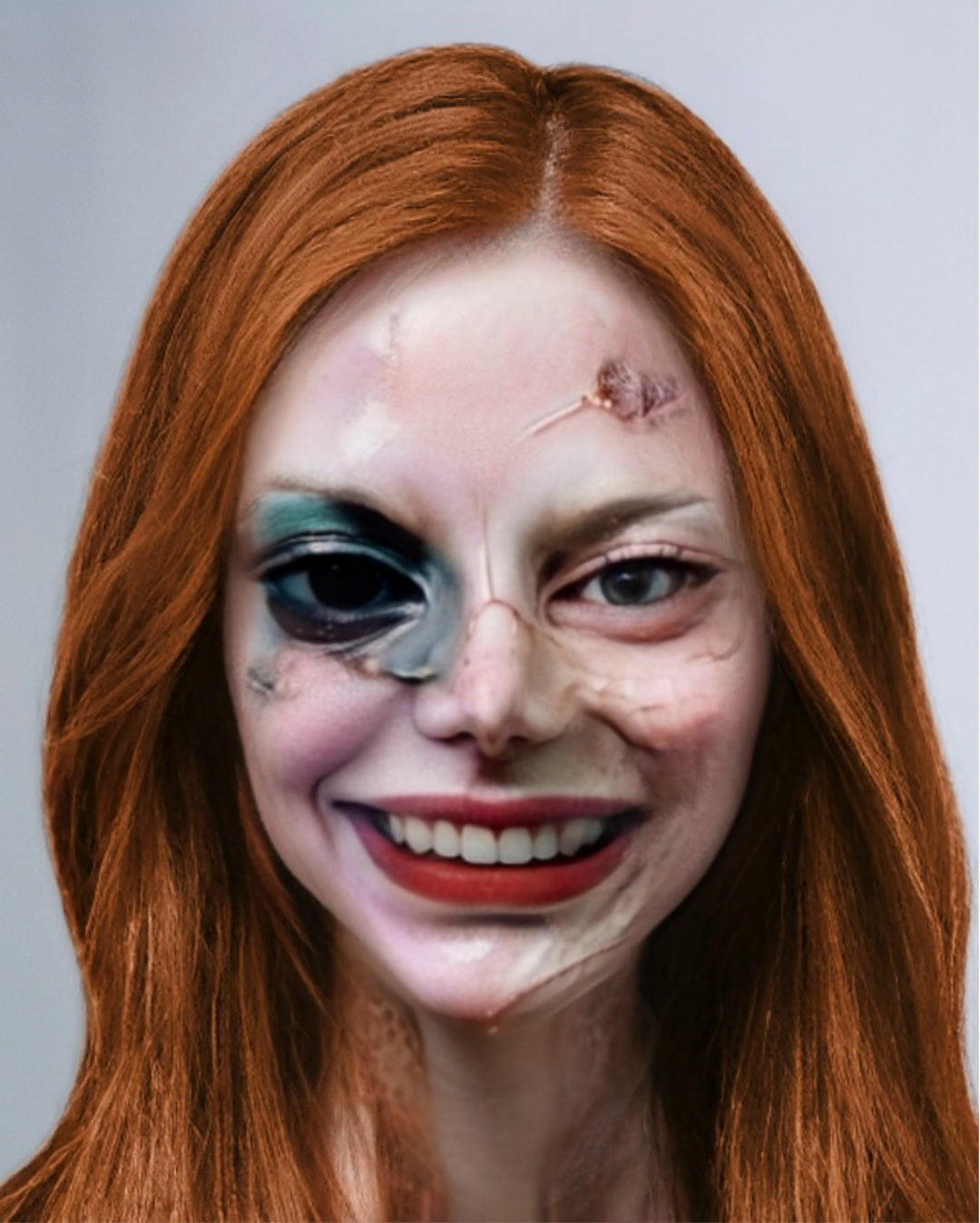
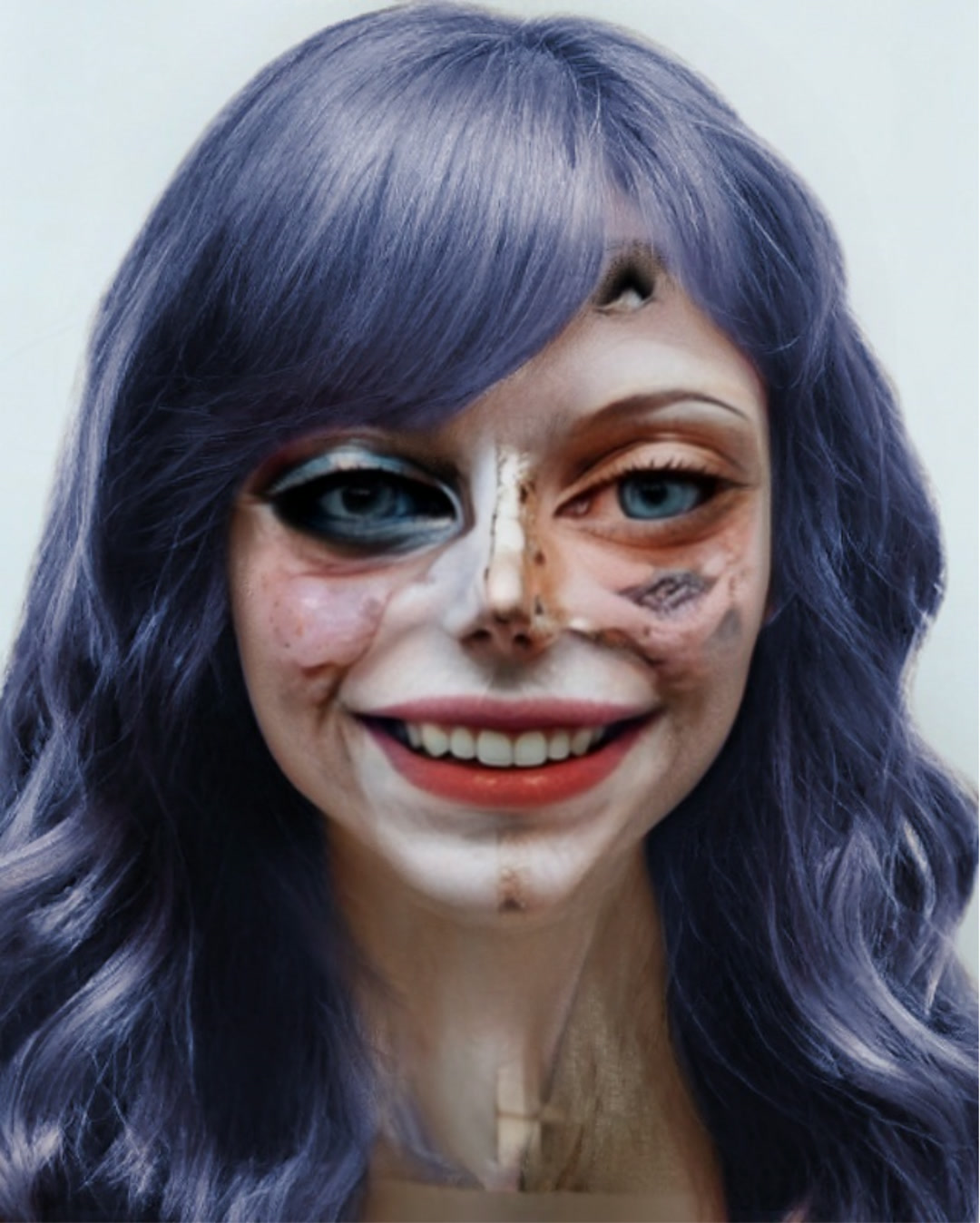
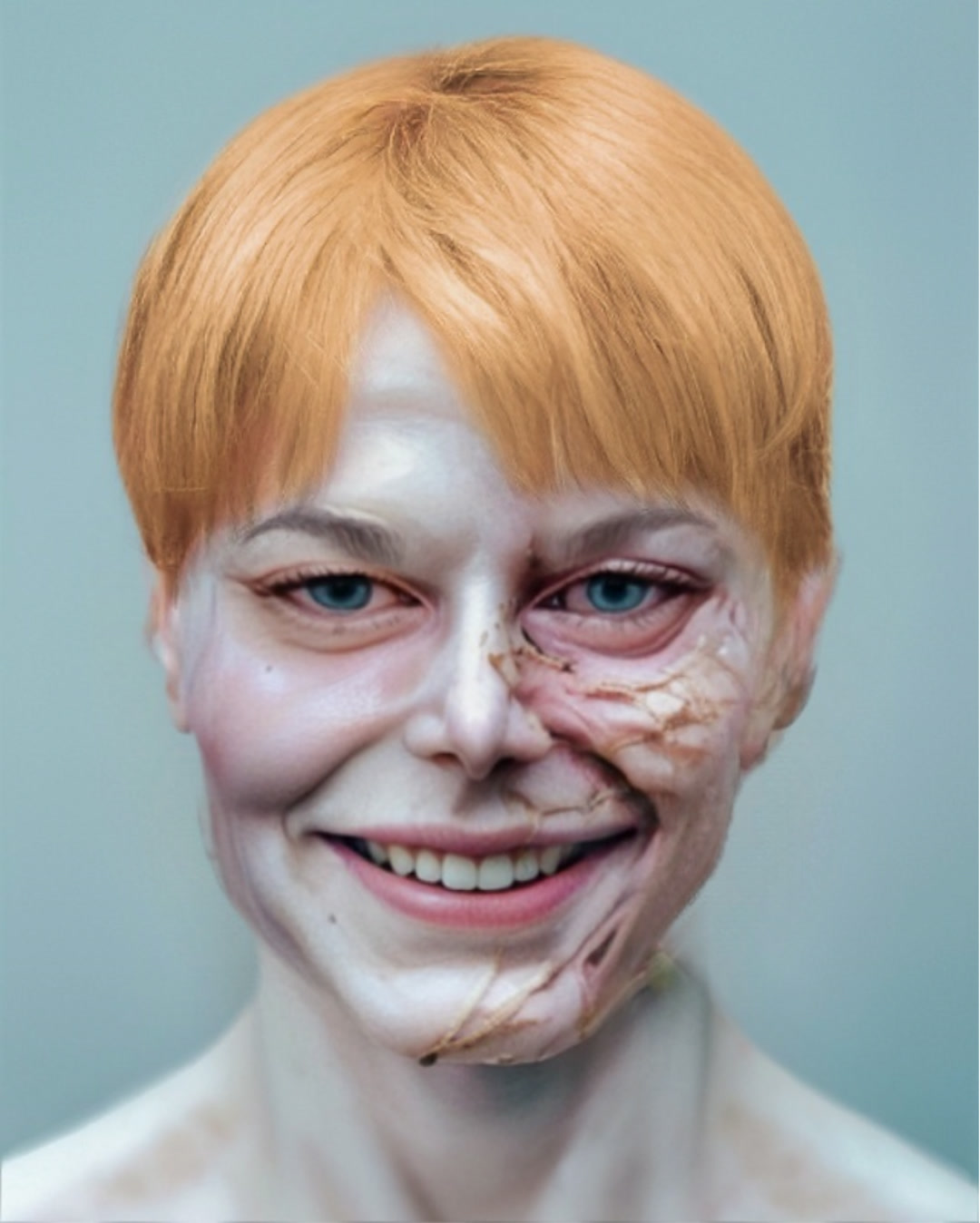
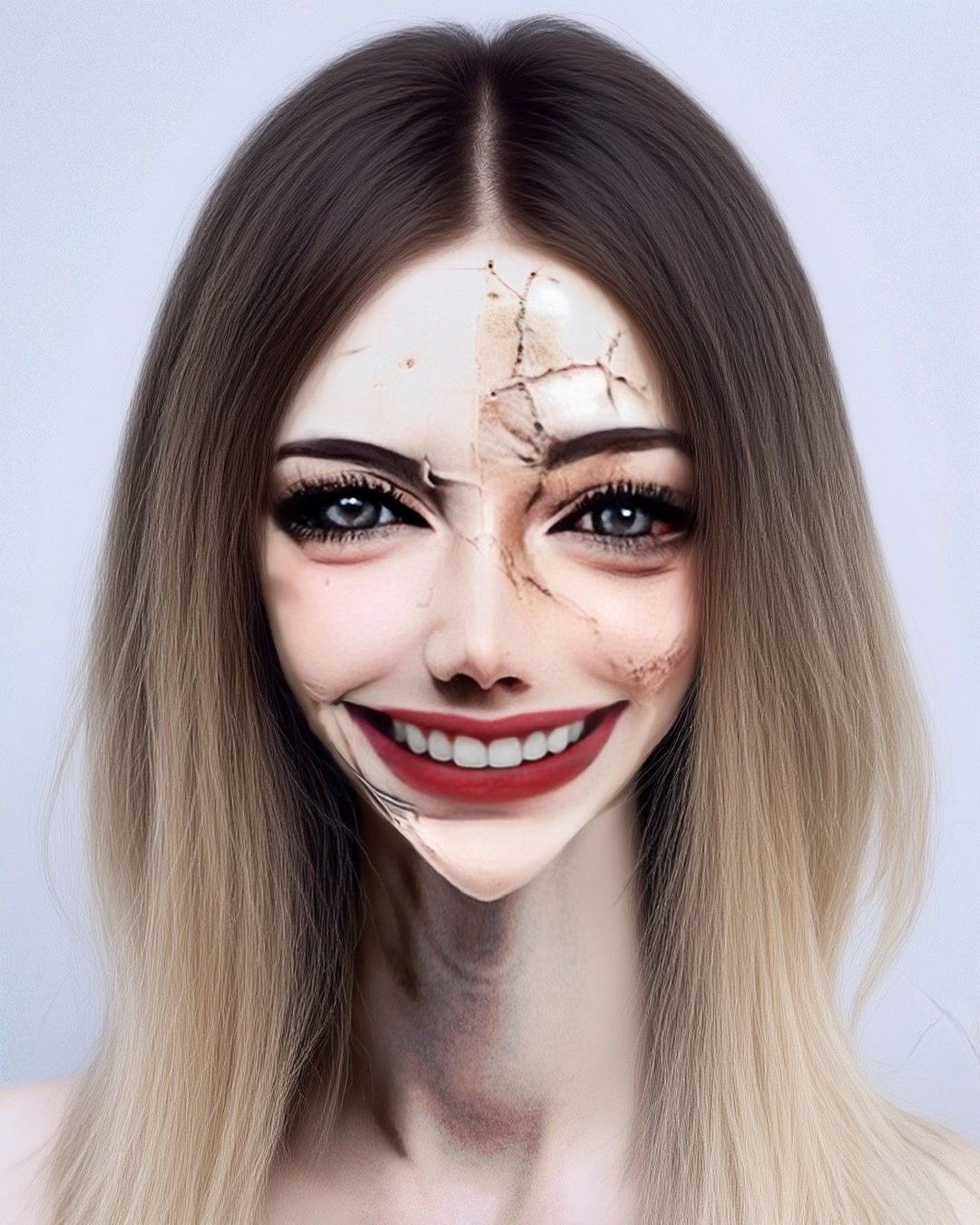
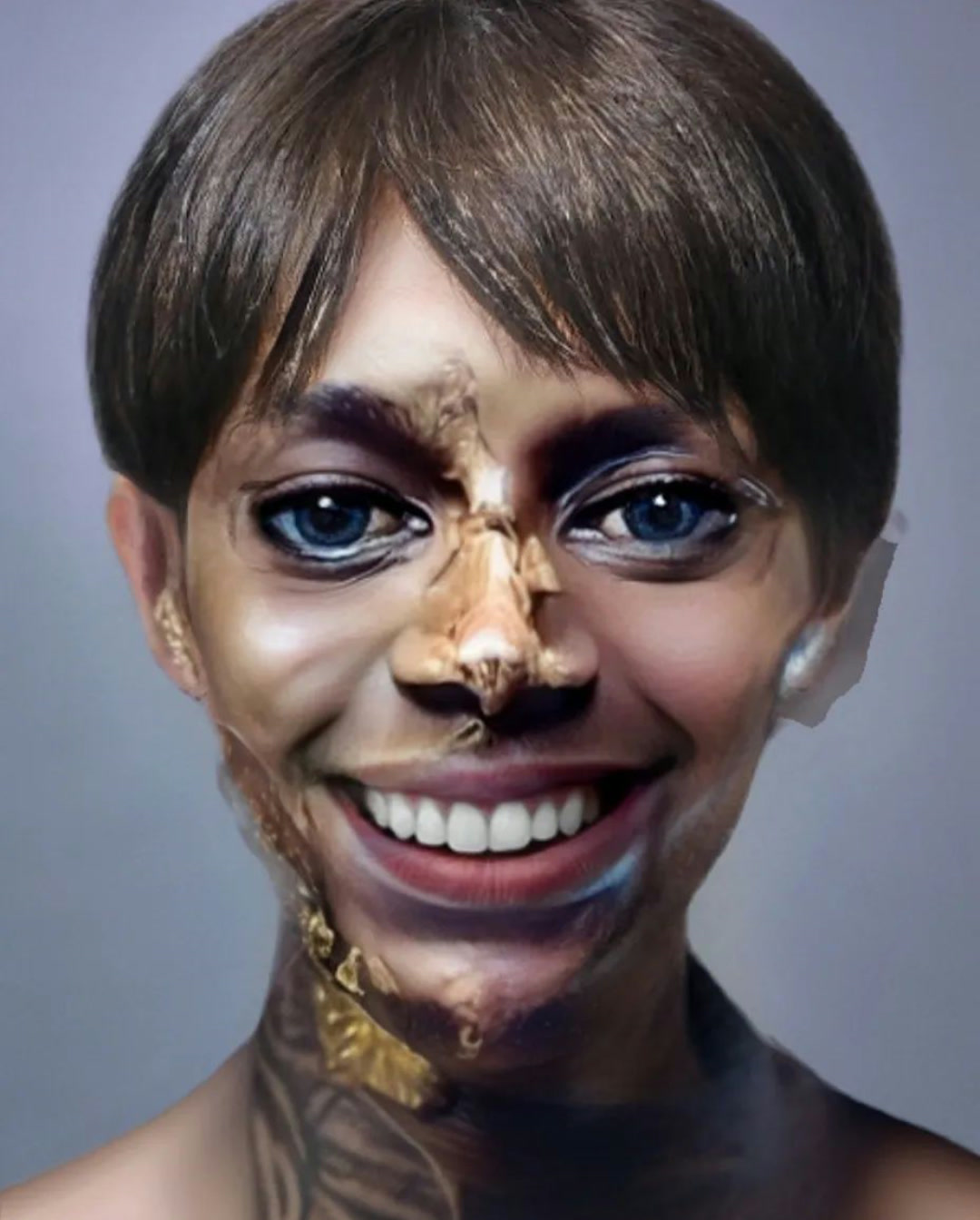
BEAUTIFAID starts where THƏ L∆B ØF ∆NØM∆LIƏS ends. The same AI-generated faces — anomalous, damaged, outside the parameters of what the model considers normal — passed through a second machine. A beautification app. The kind that smooths, corrects, erases. The kind built to fix what doesn't conform.
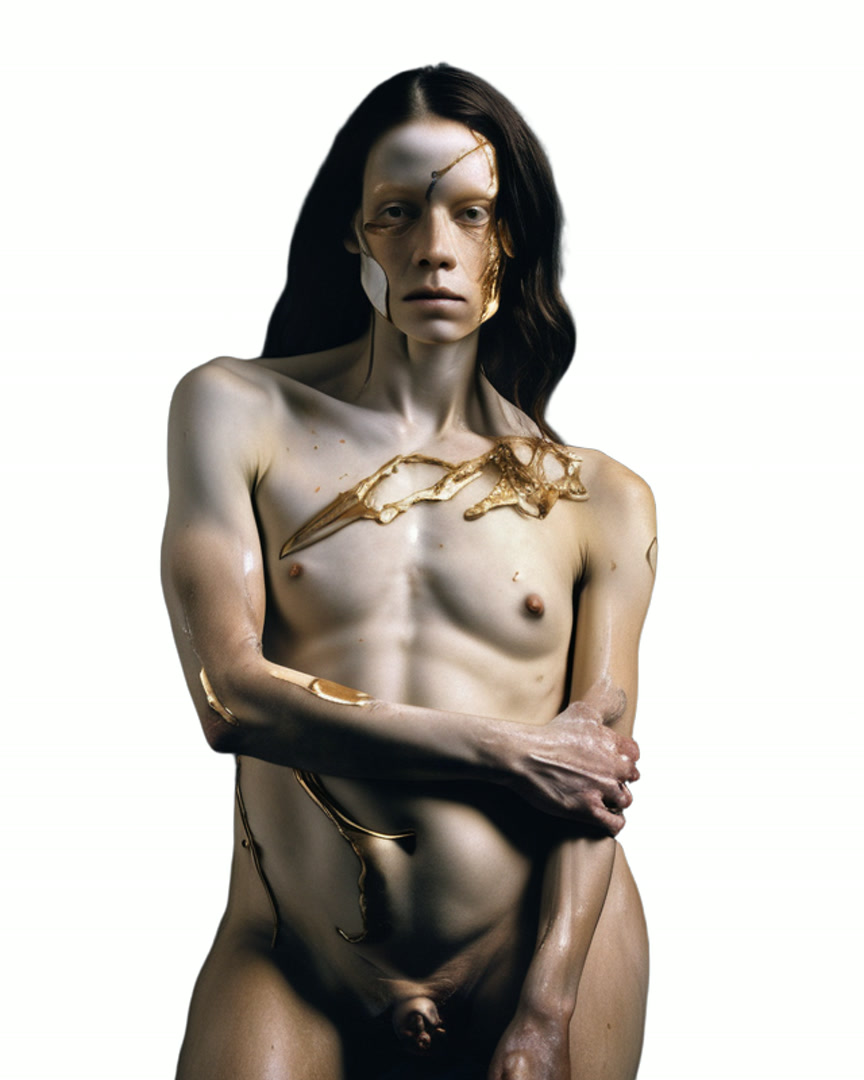
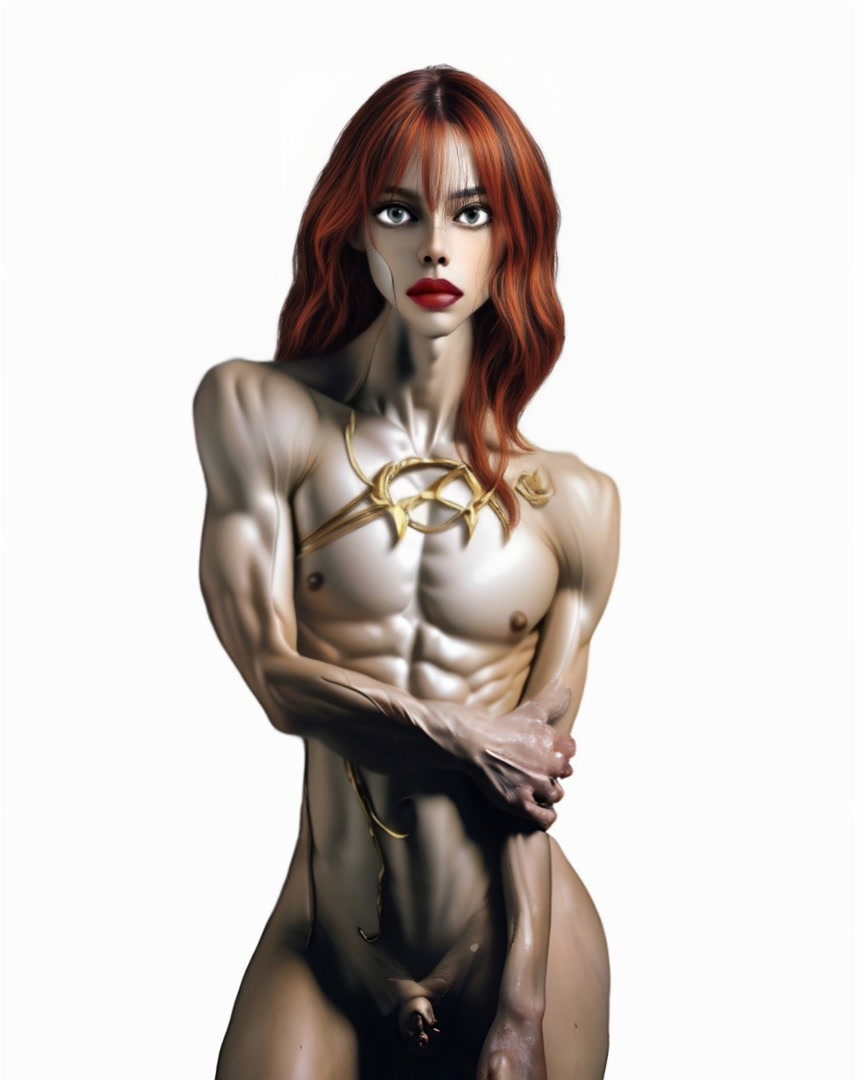
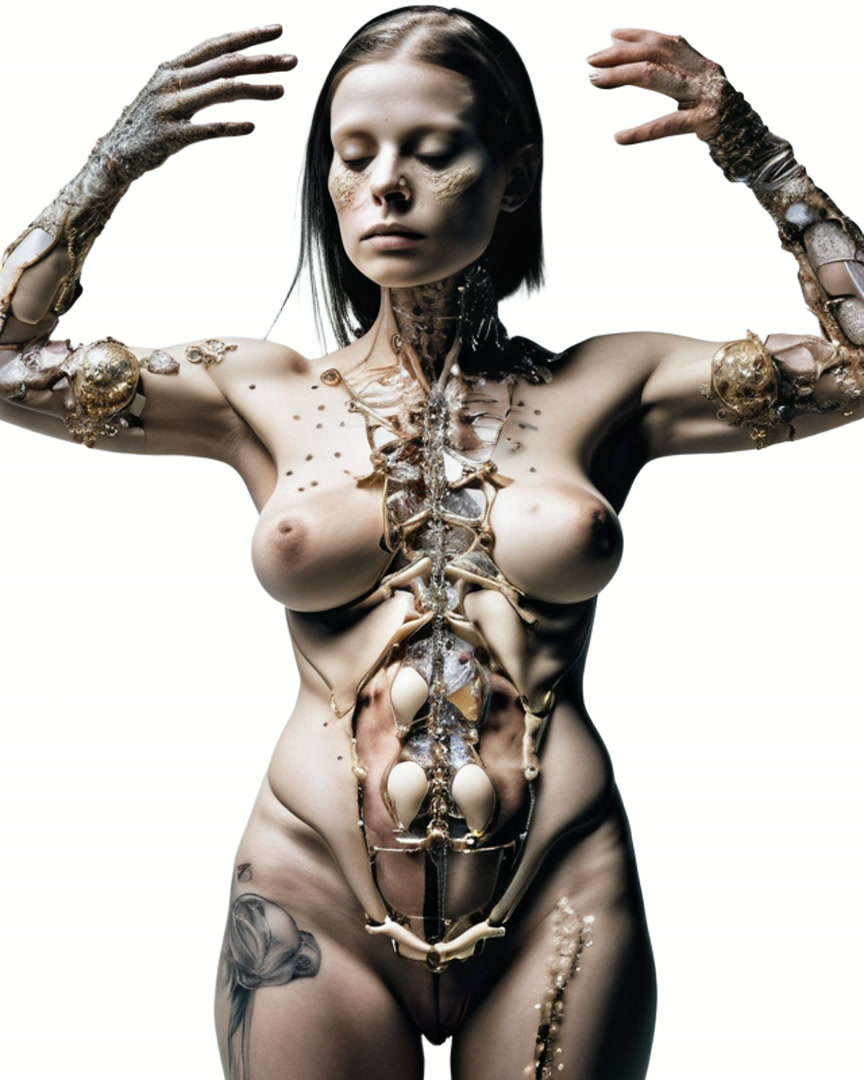
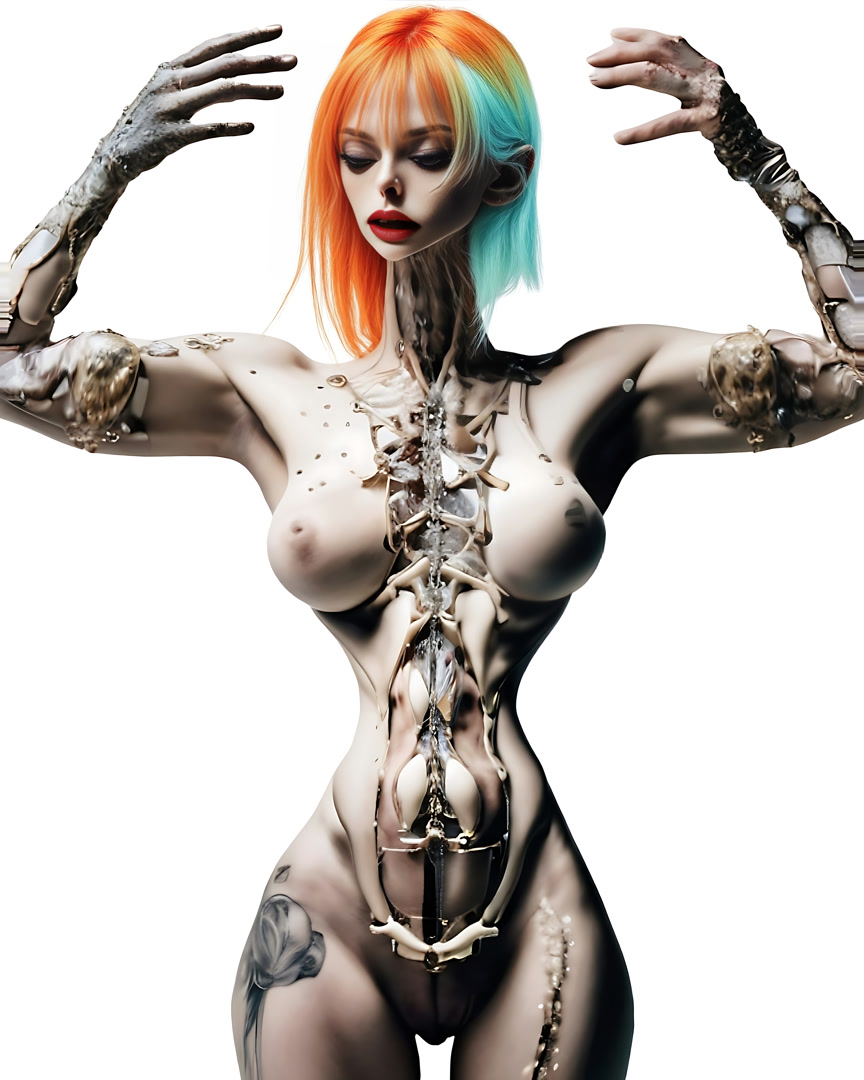
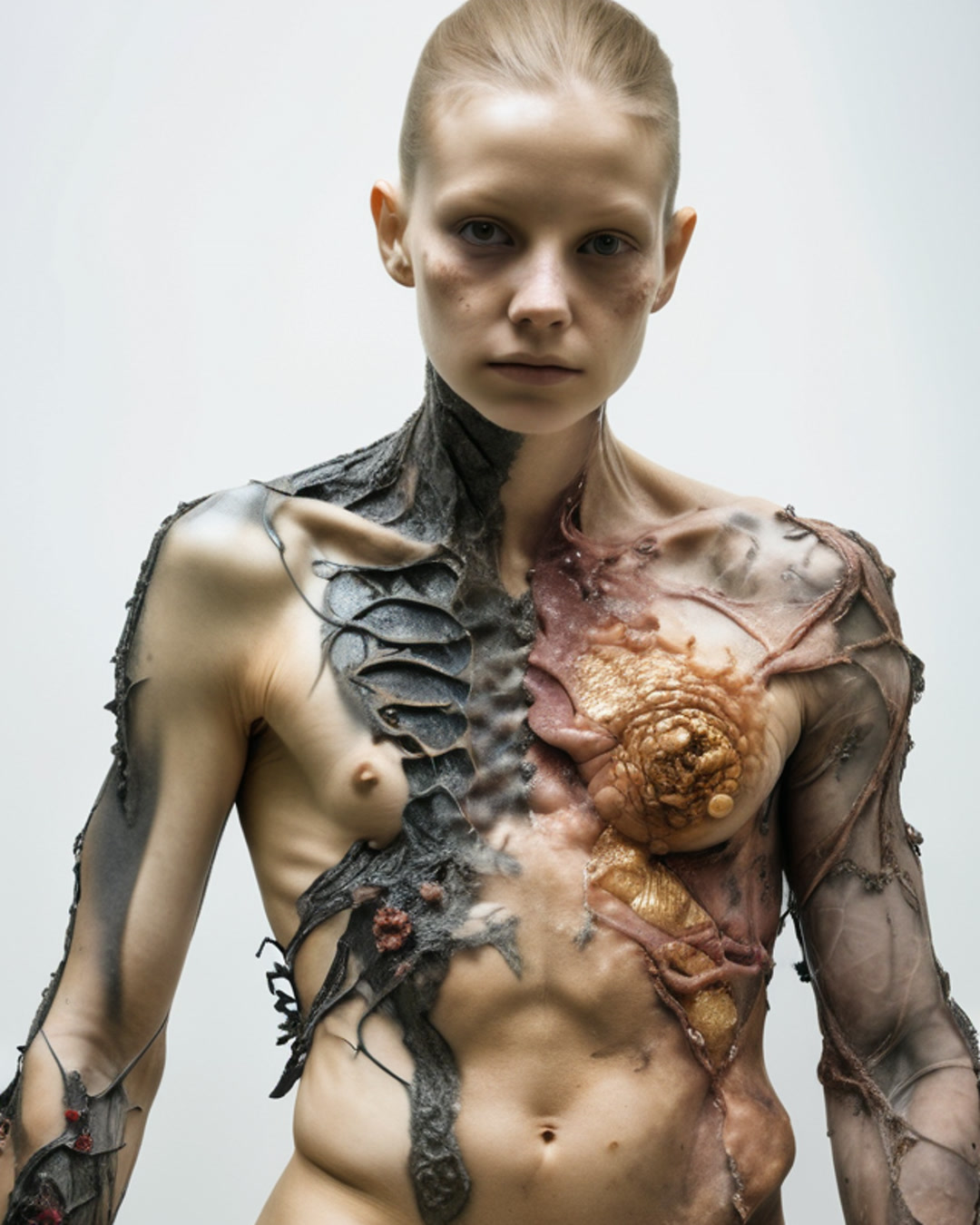
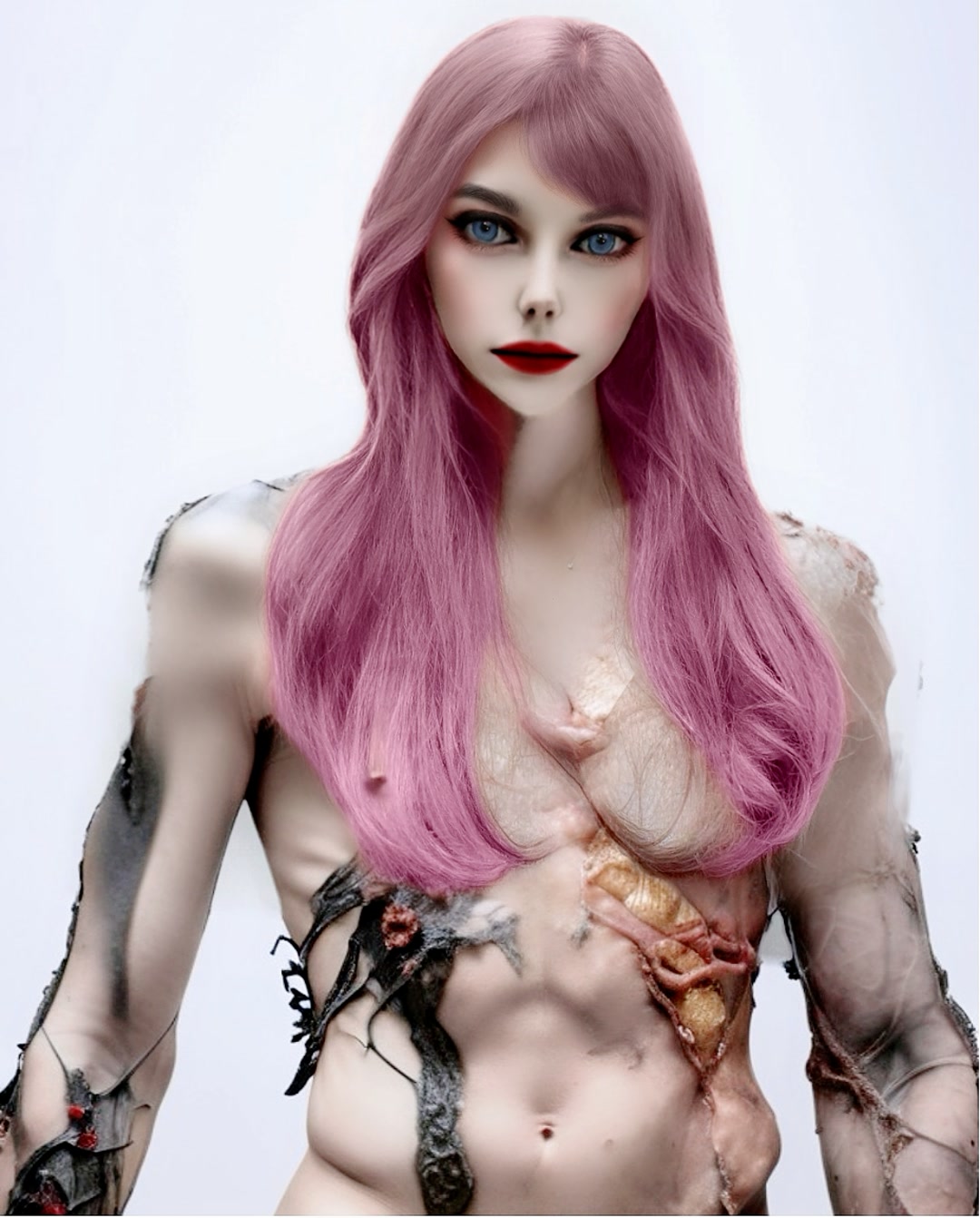
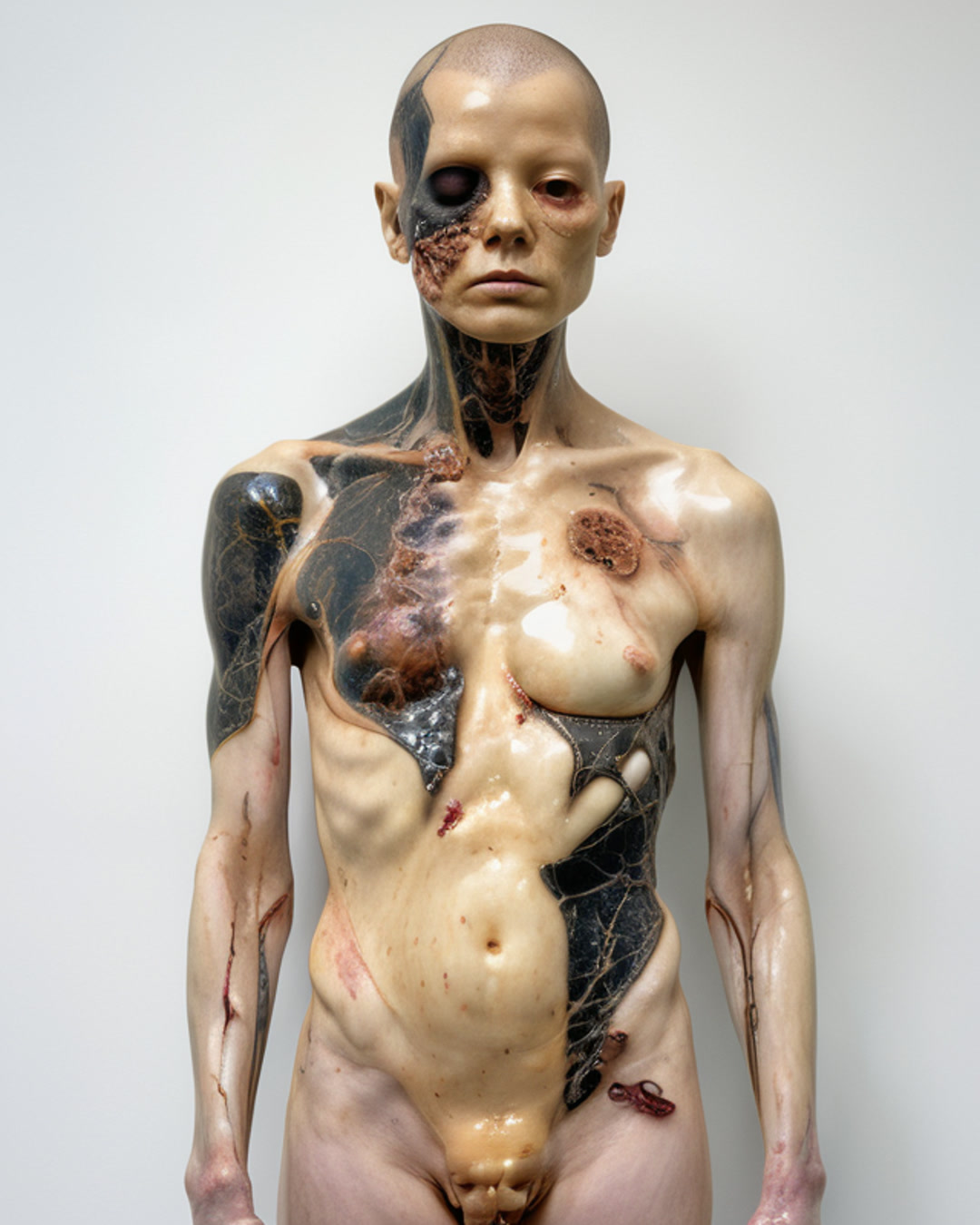
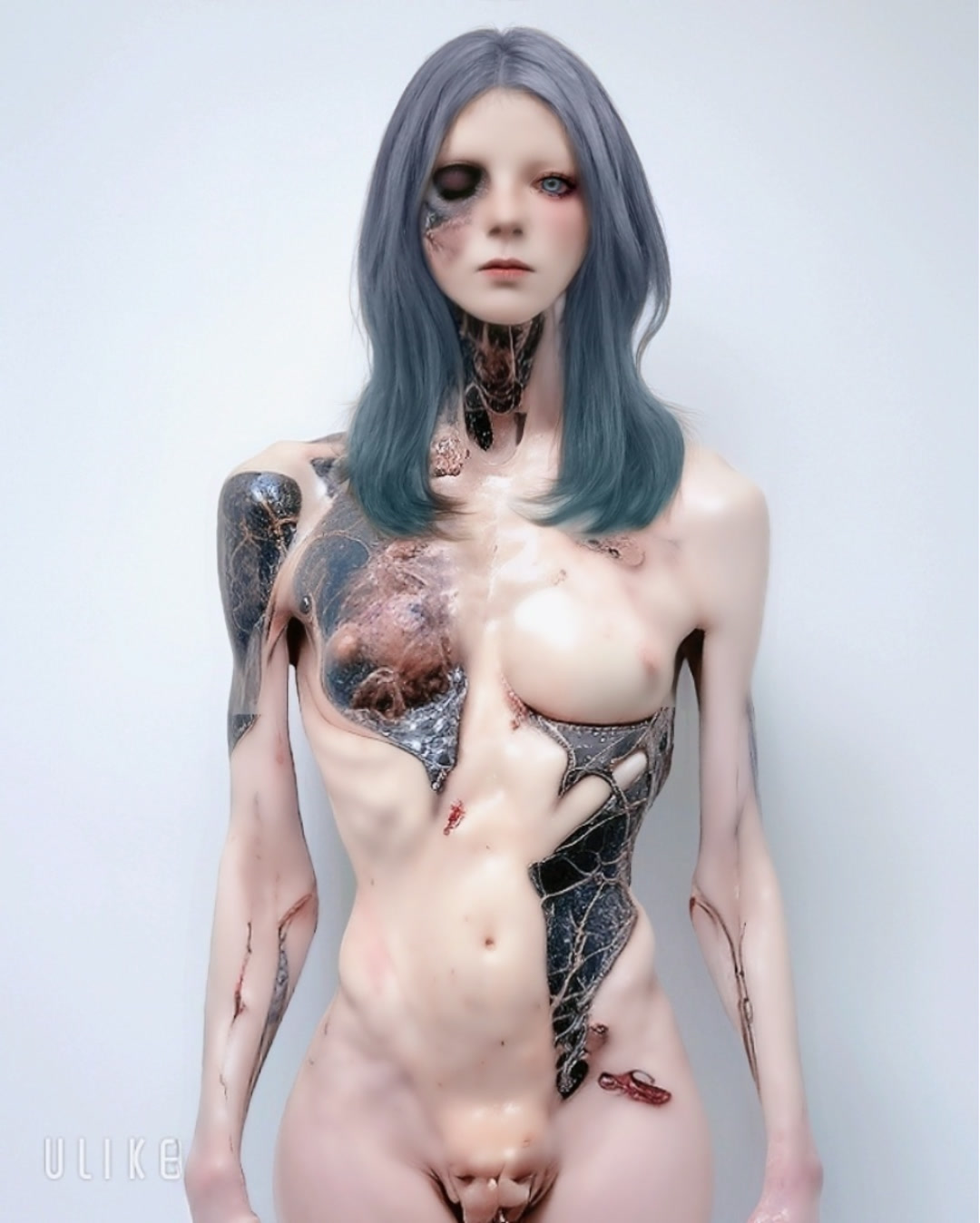
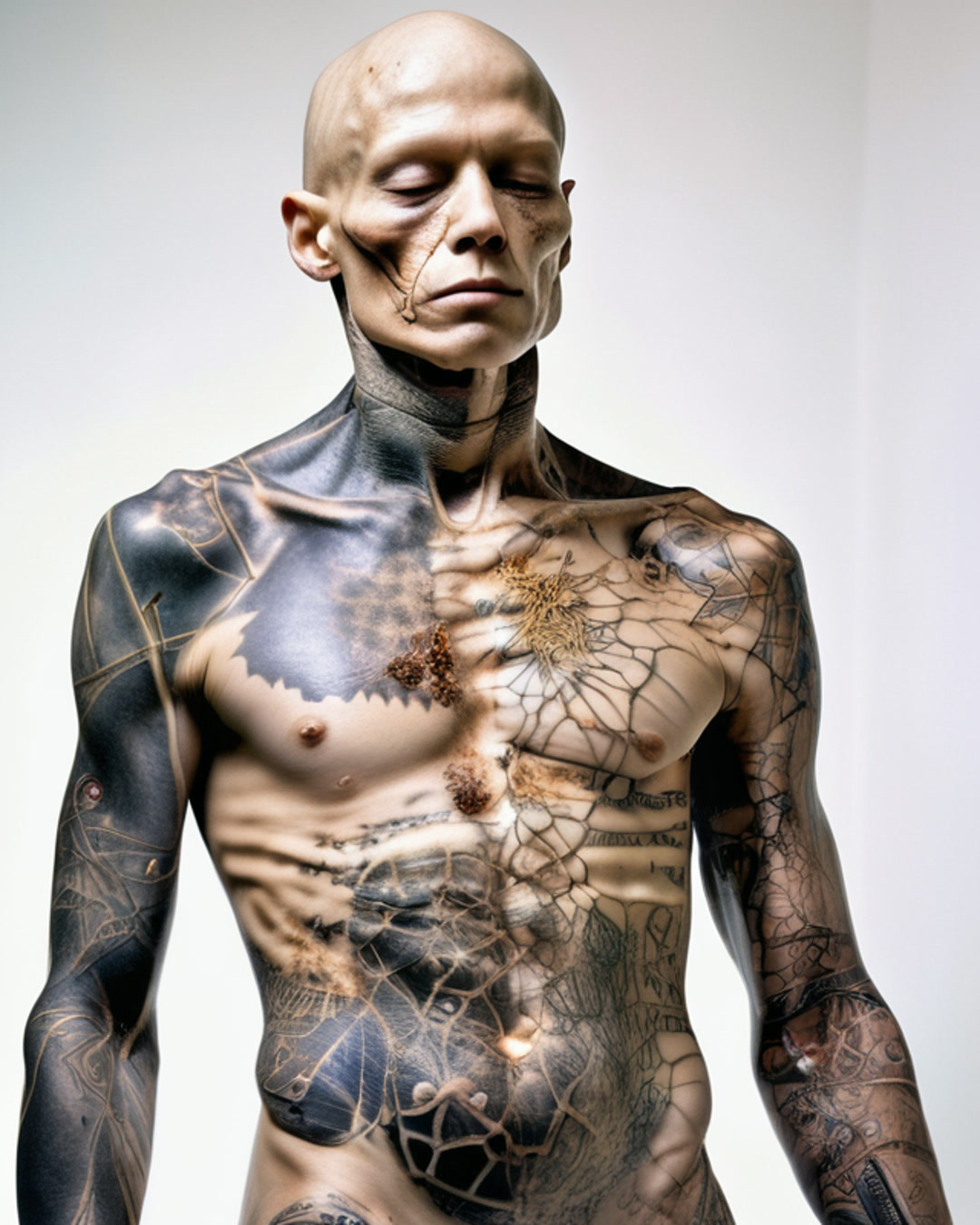
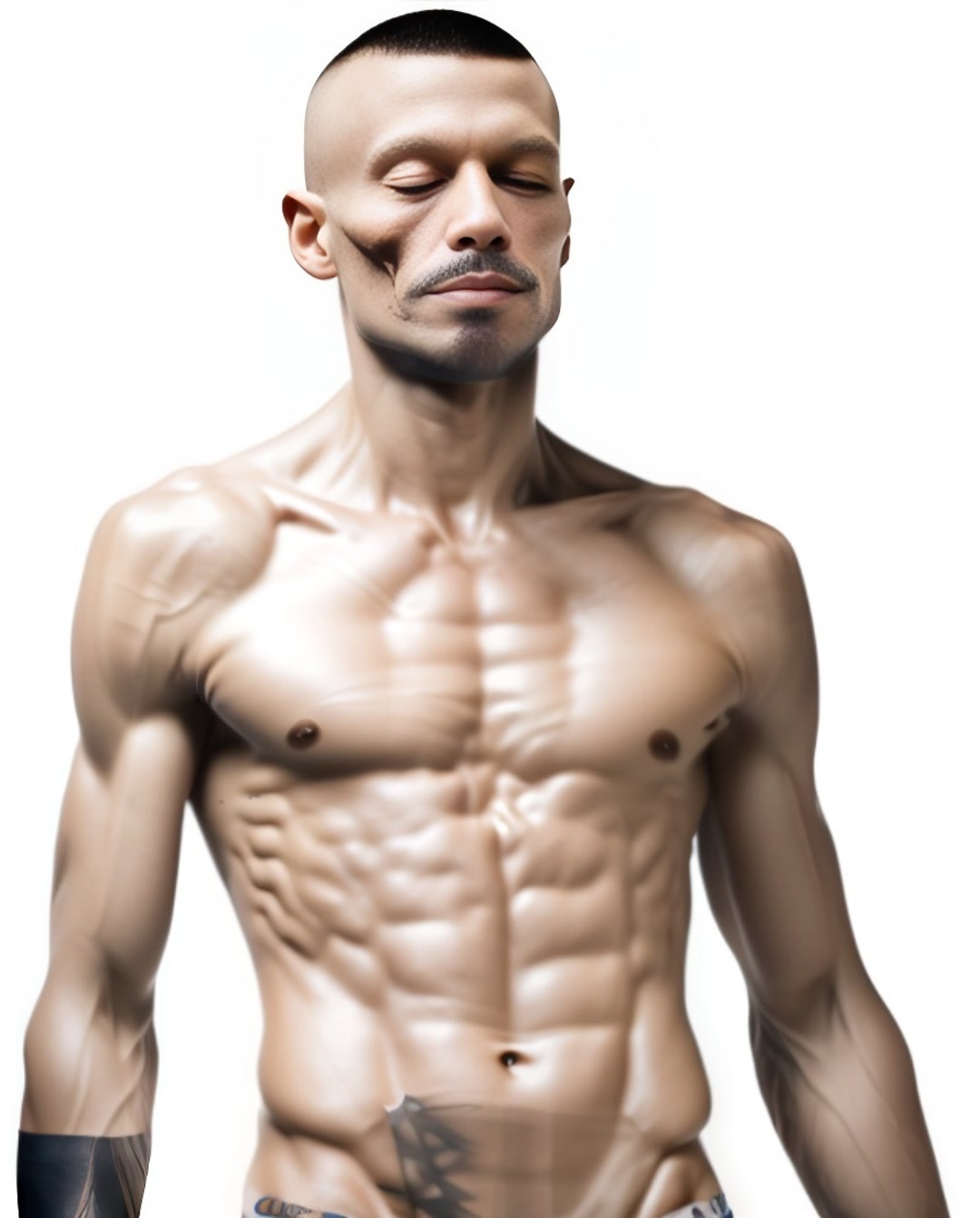
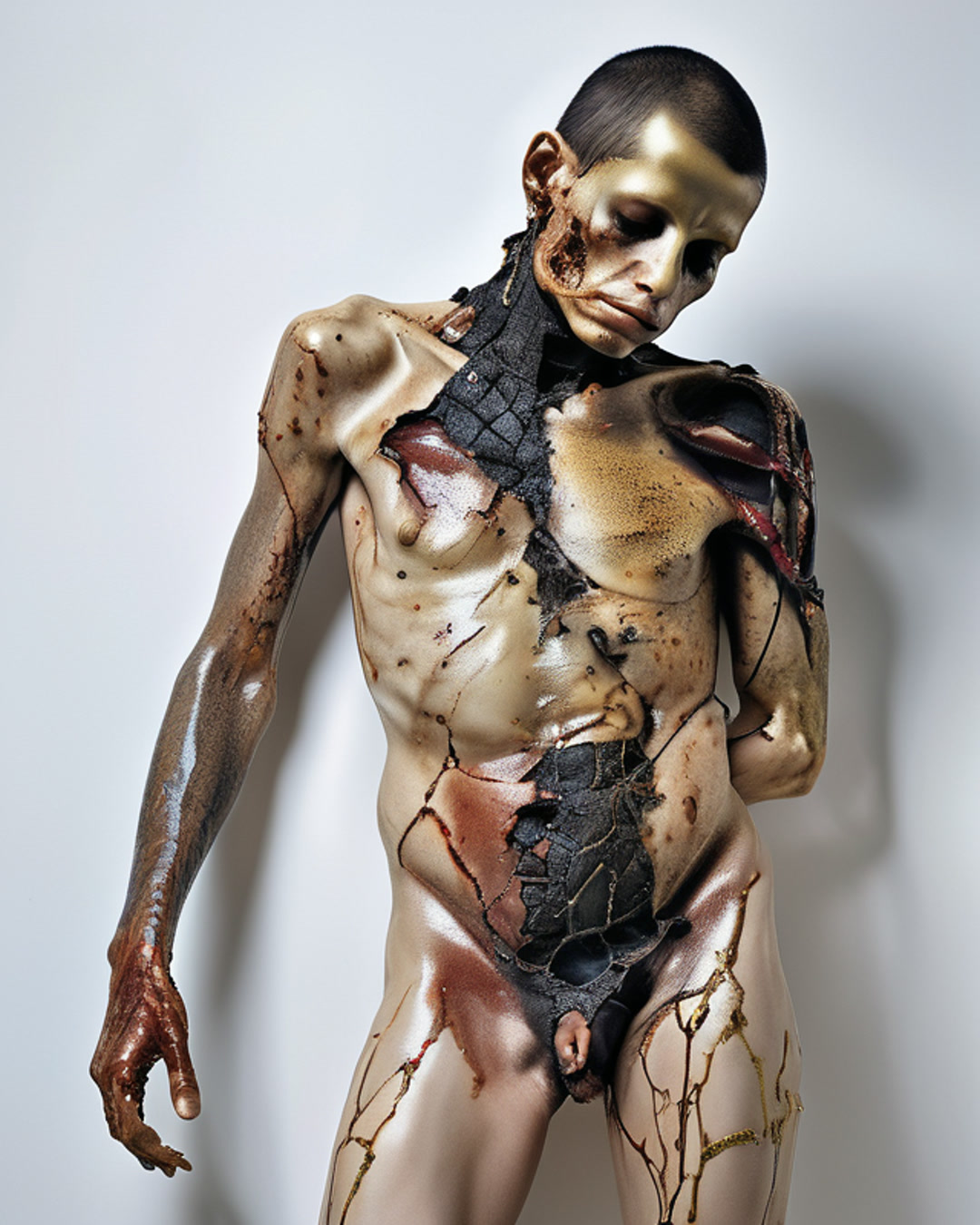
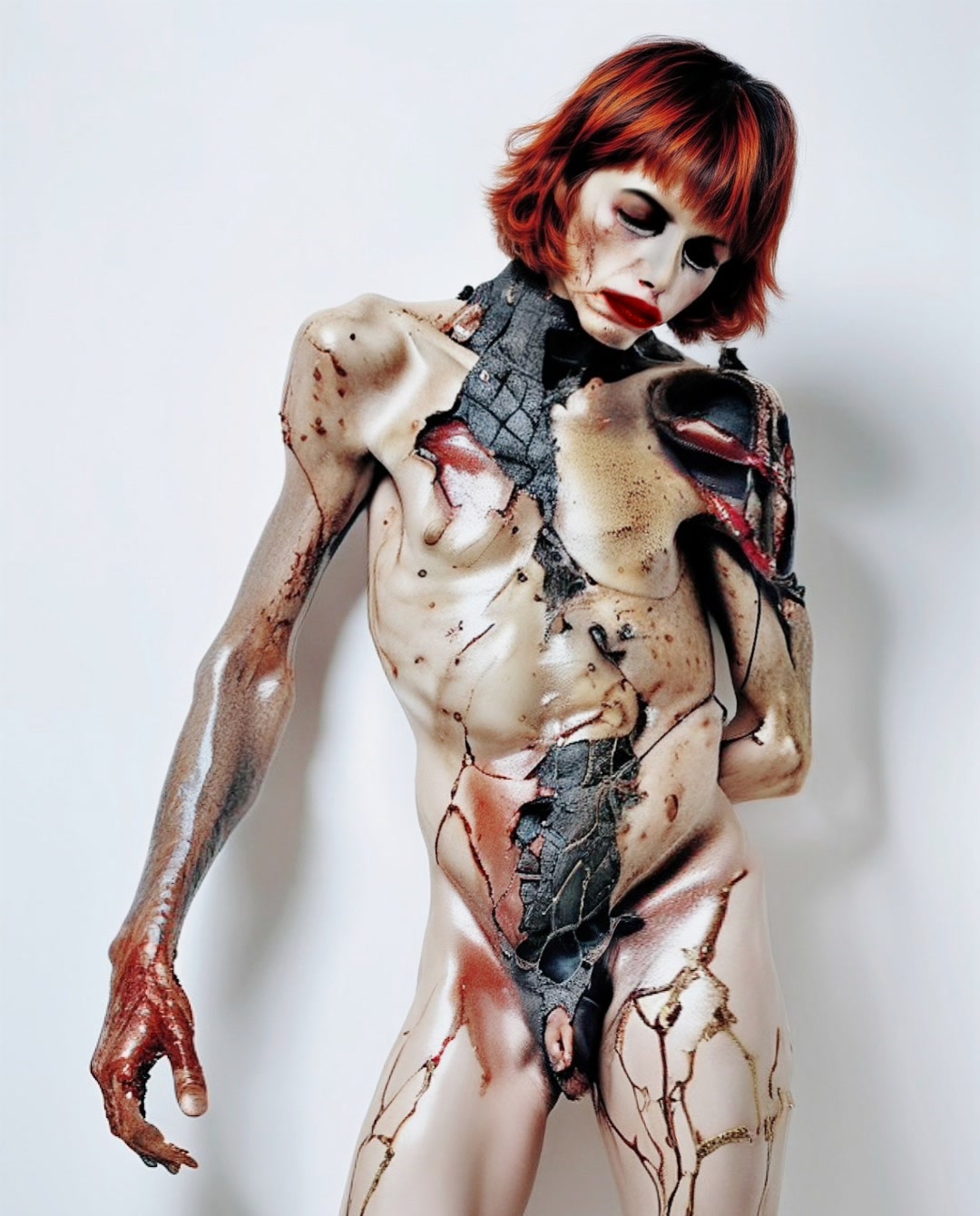
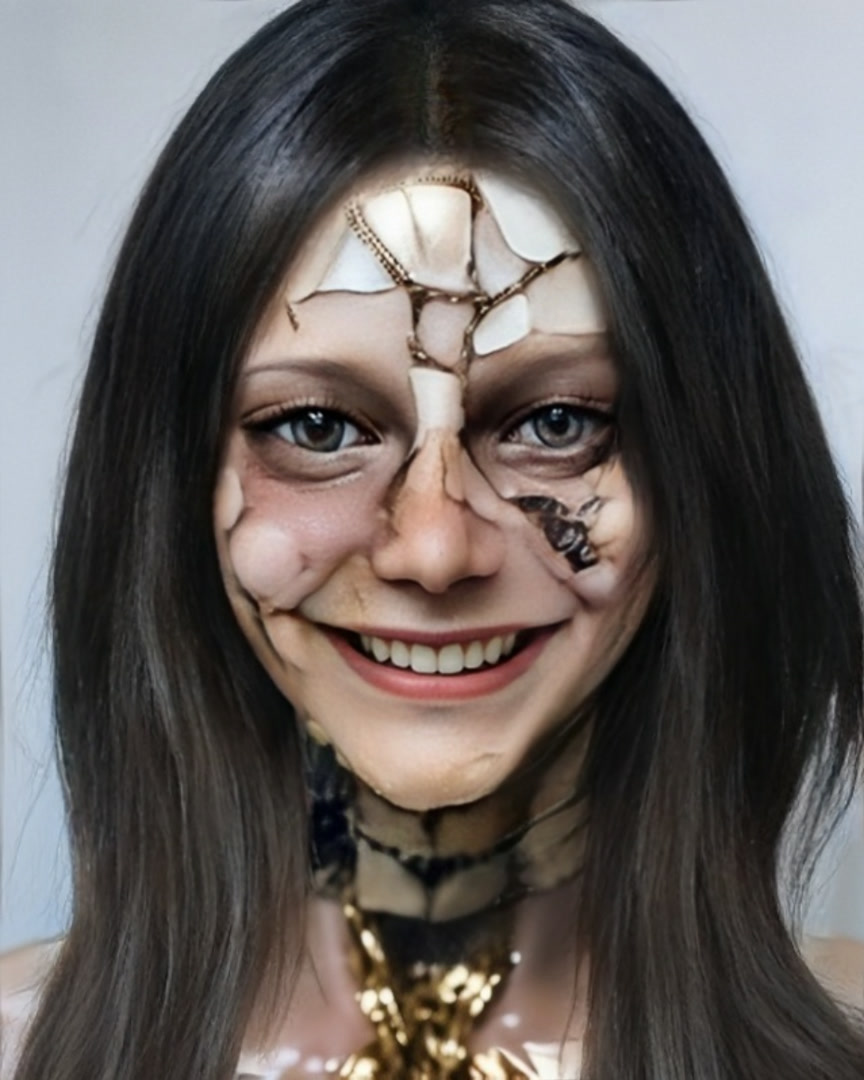
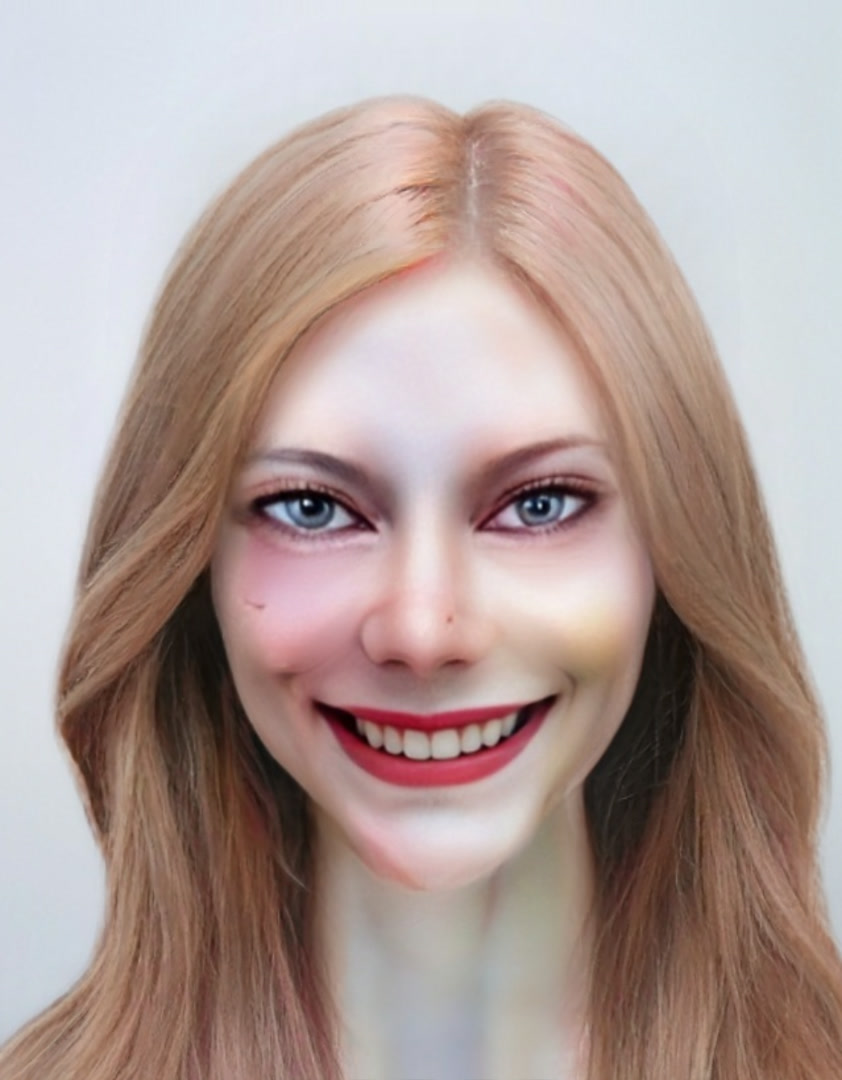
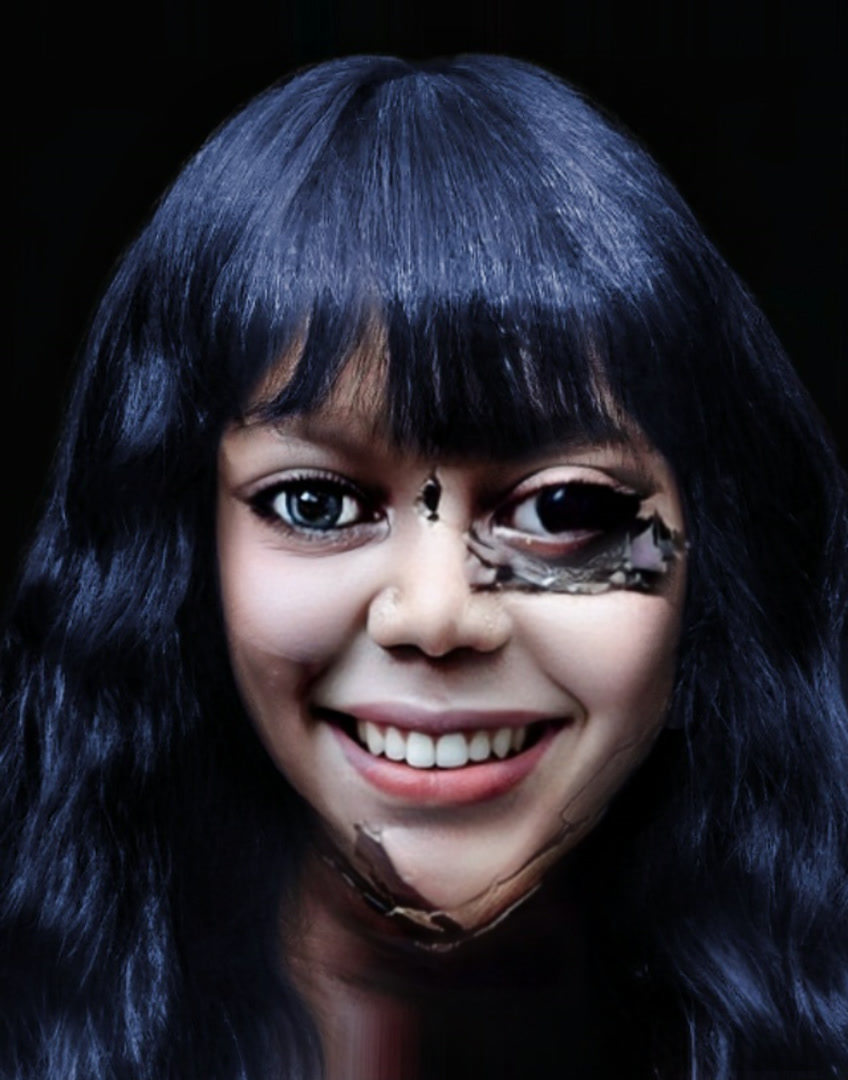
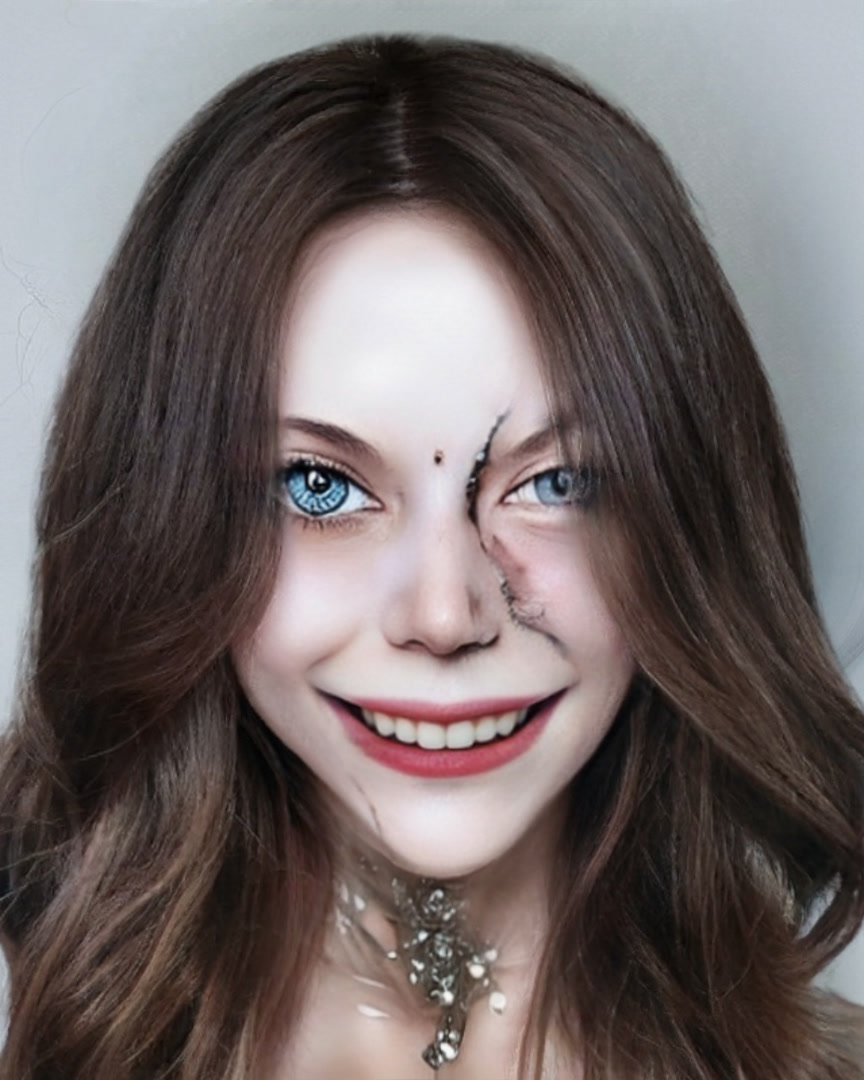
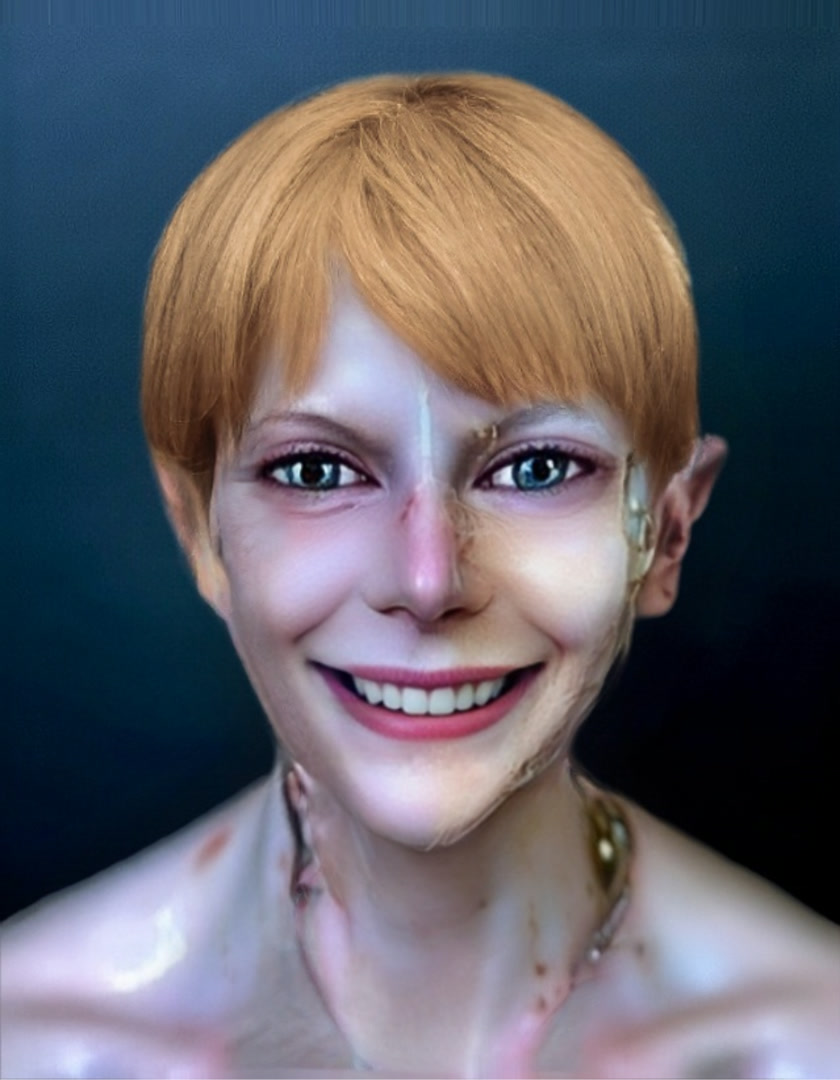
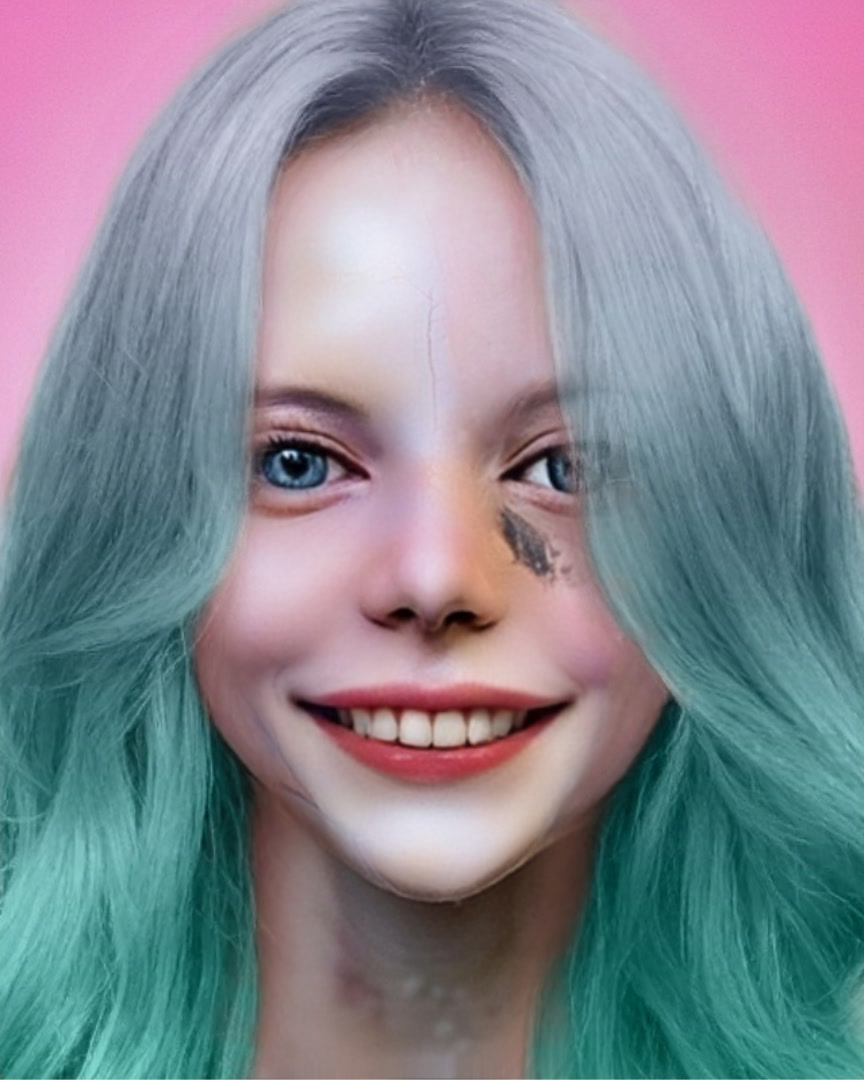
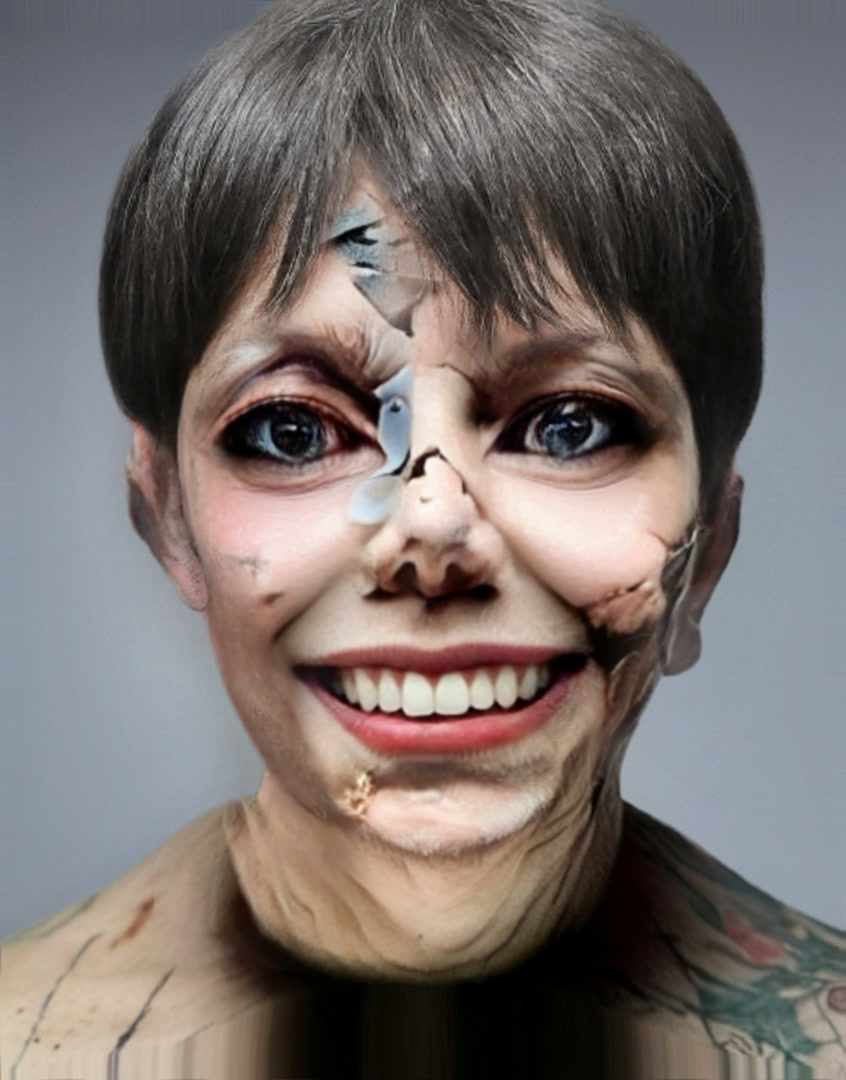
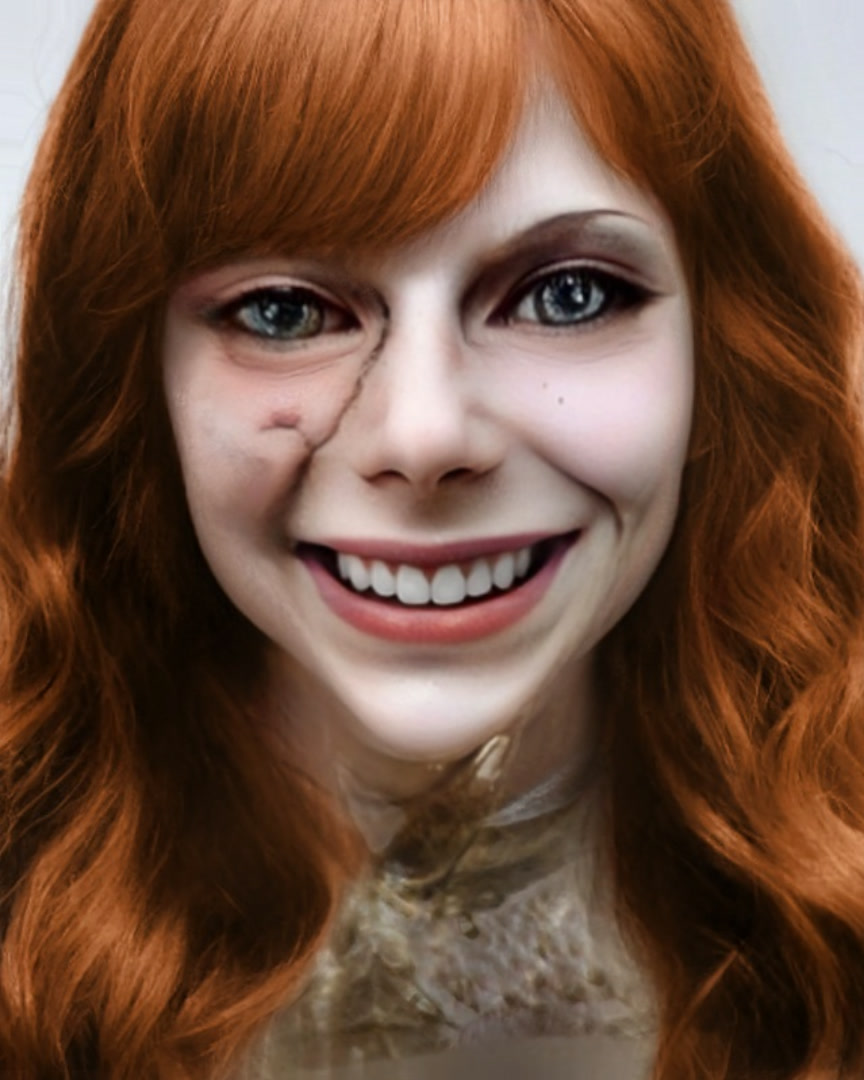
What happens is precise. The features that made the face anomalous — the asymmetry, the skin condition, the mark, the deviation — disappear. Not gradually. Completely. What remains is not a face that looks normal. It looks processed. Optimised. The marks are gone but the wrongness stays — now wearing the mask of beauty instead of showing the wound. Which is worse.
This is not an accident. This is the system working as designed.
The AI that generates these faces was trained on a dataset. The dataset encoded a standard — what faces look like, what beauty looks like, what deviation looks like. The beautification app was trained on a different dataset. A dataset that encoded the same standard, from the other direction. One produces the anomaly. The other erases it. Both learned from the same cultural agreement about what a face is supposed to be.
The pairs in this series show both states. The face as generated — imperfect, marked, itself. The face as corrected — smoothed, neutralised, made acceptable. The before and the after. Except the before was never real either. Both images are synthetic. Both are the product of datasets. The disease and the cure are the same thing.
BEAUTIFAID is part of DISØRDIN∆RY BÆUTY — a research project into the mechanisms that decide what beauty is, who it belongs to, and what it costs to be outside it.
Before / After
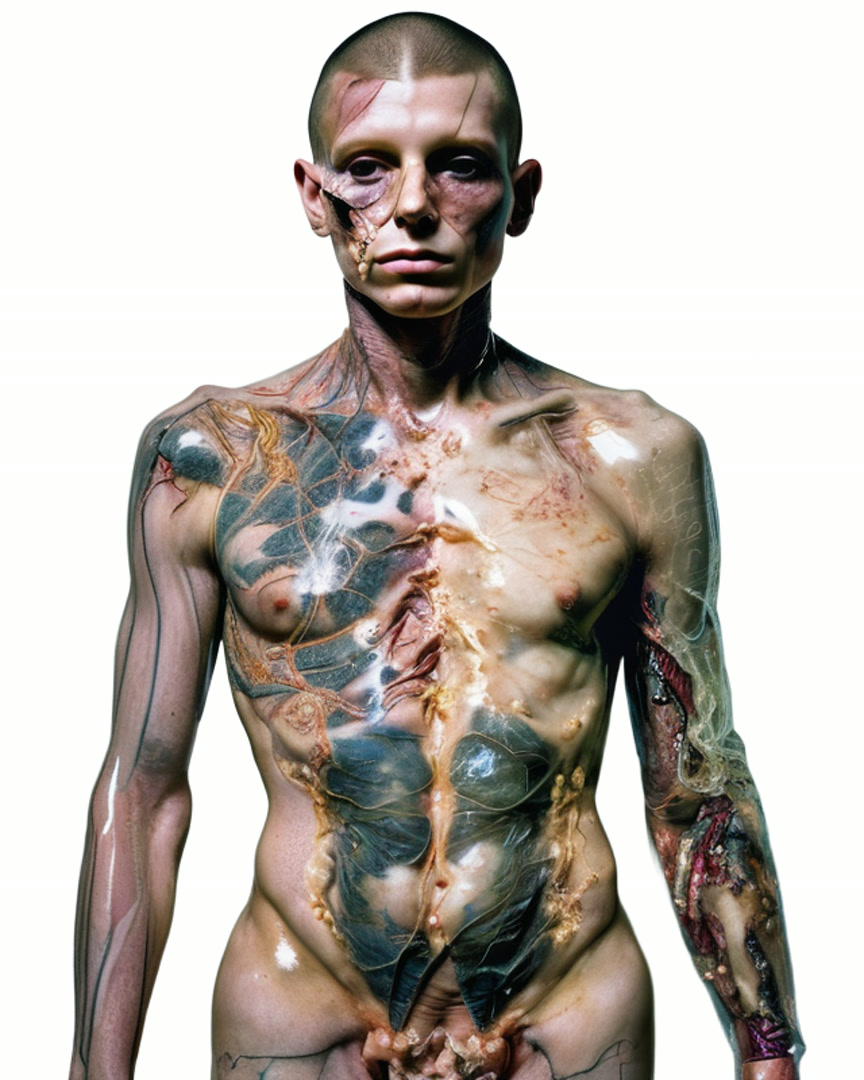
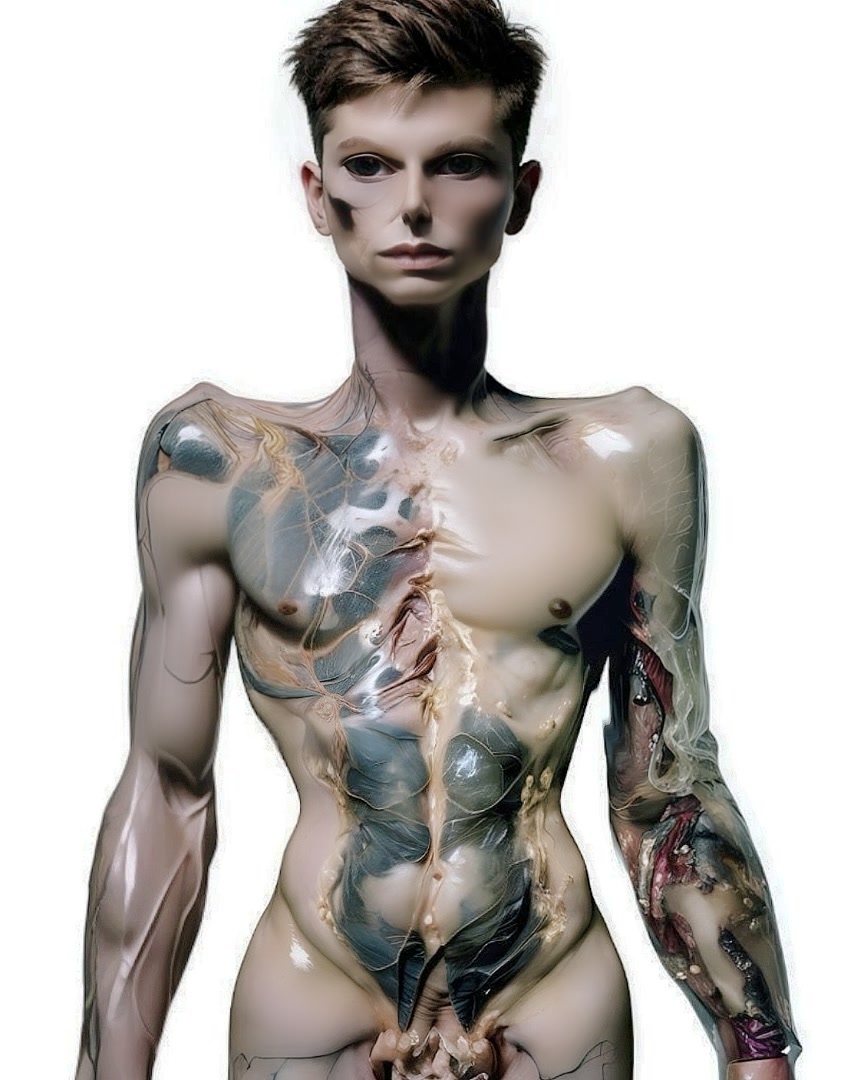
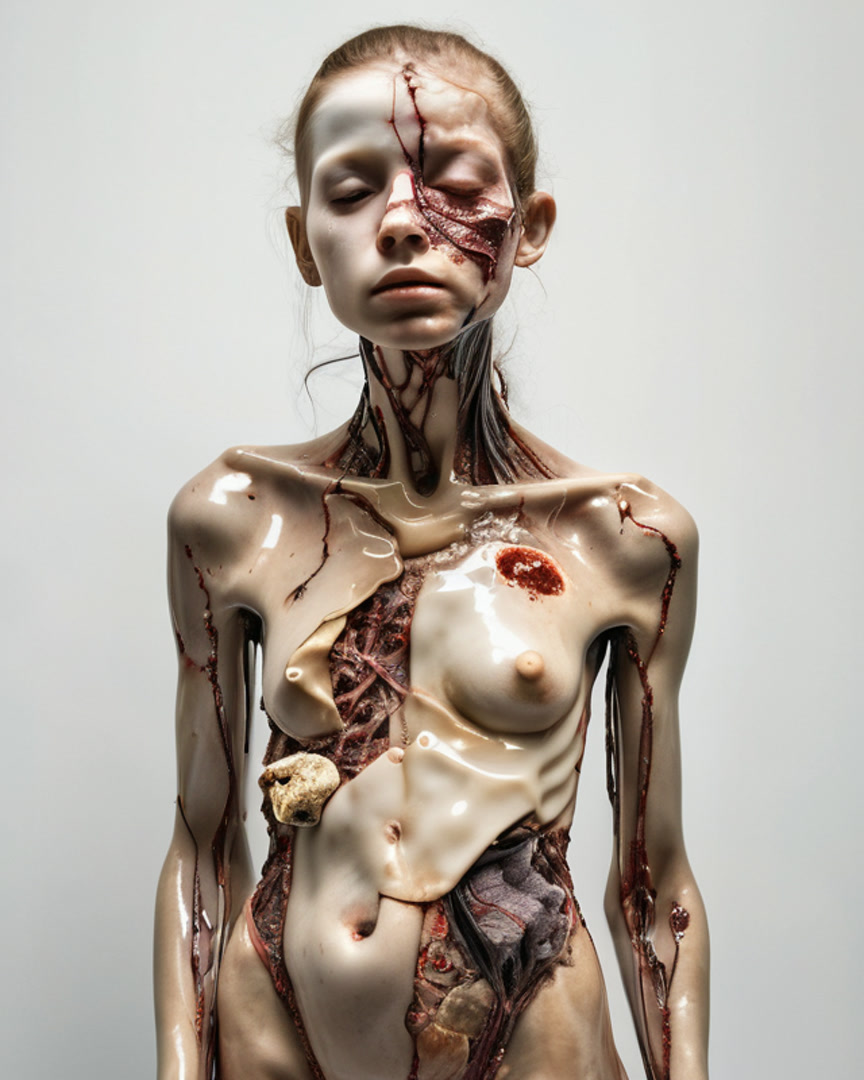
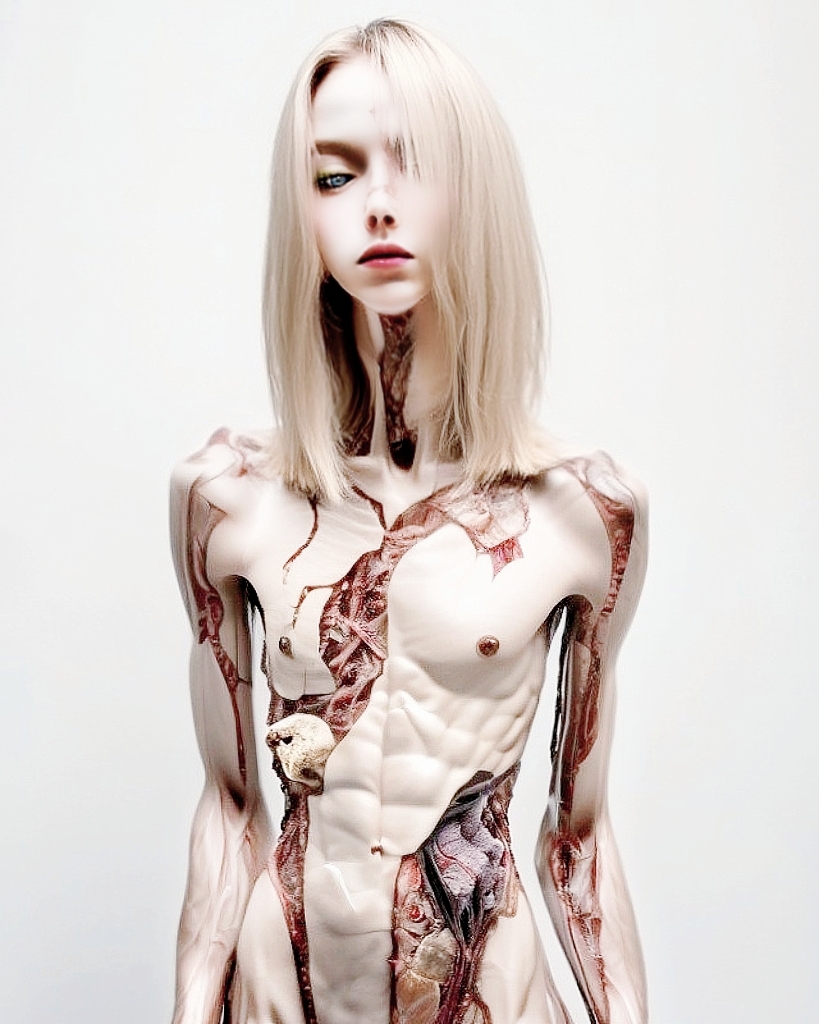
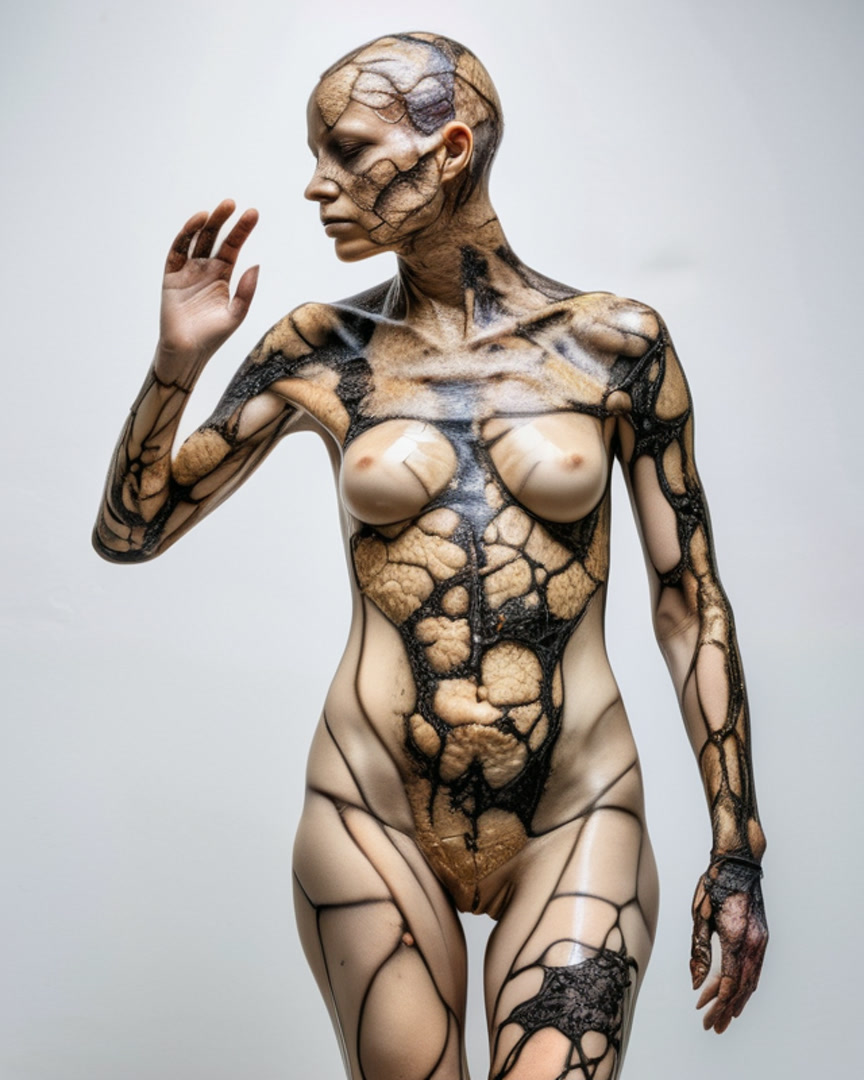
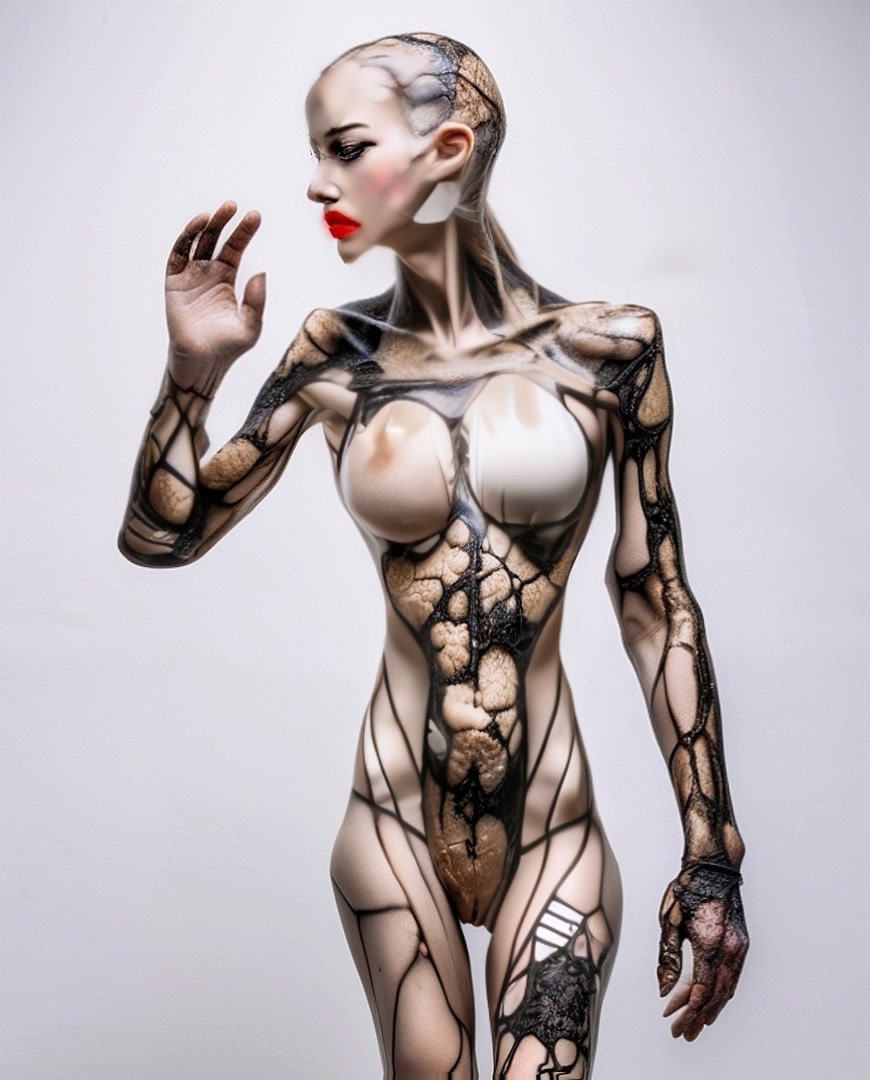
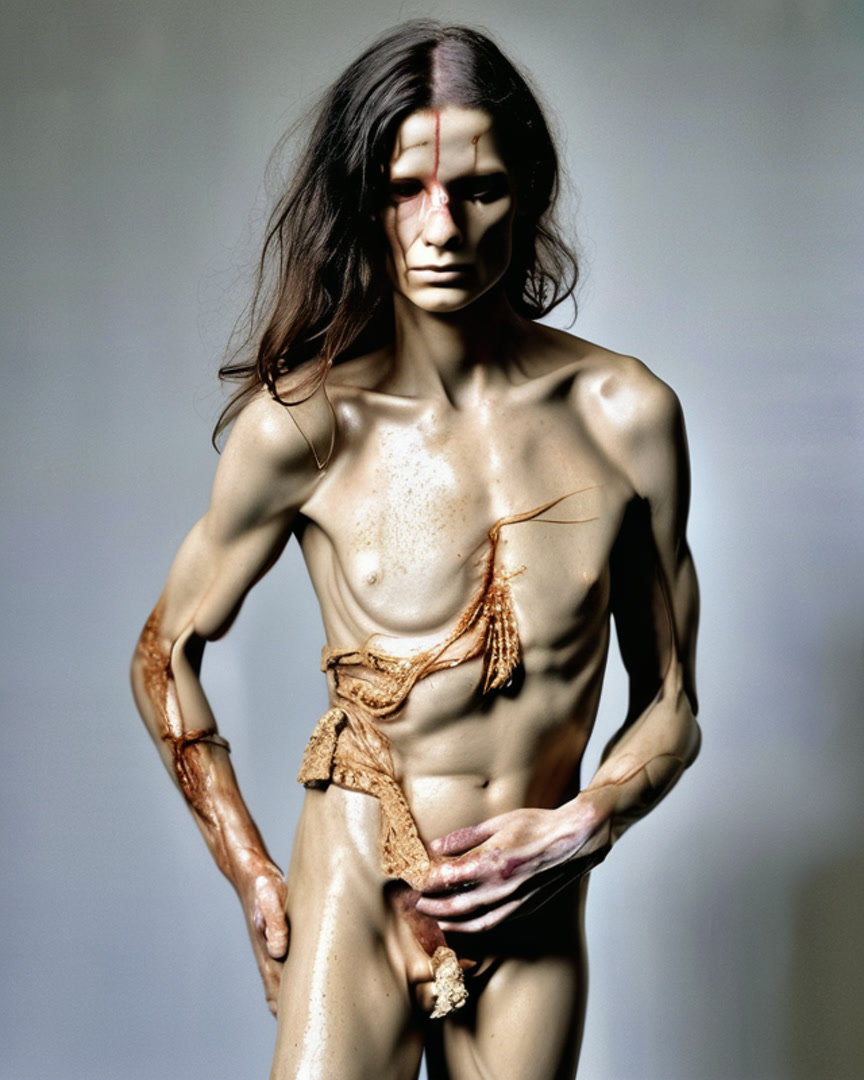
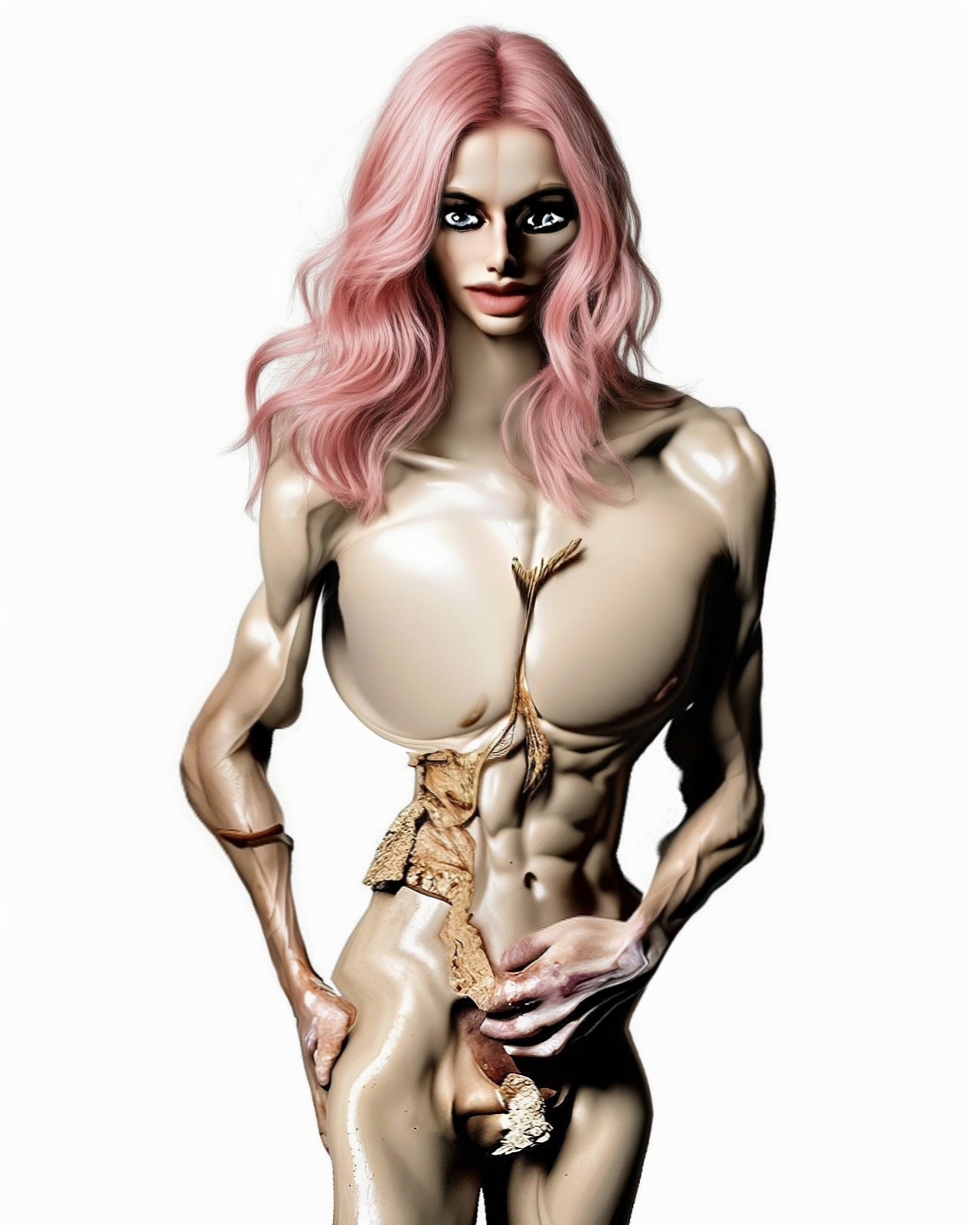
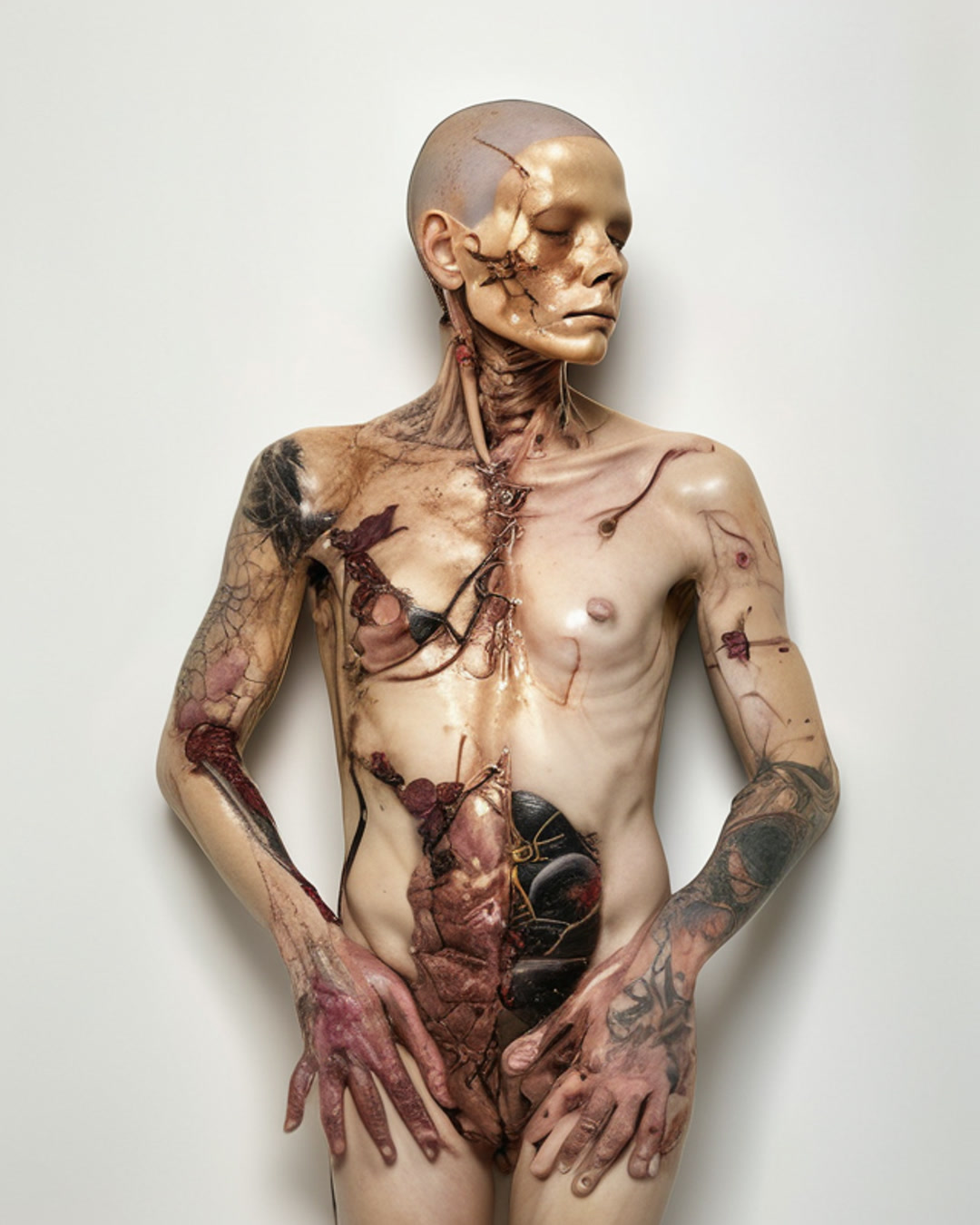
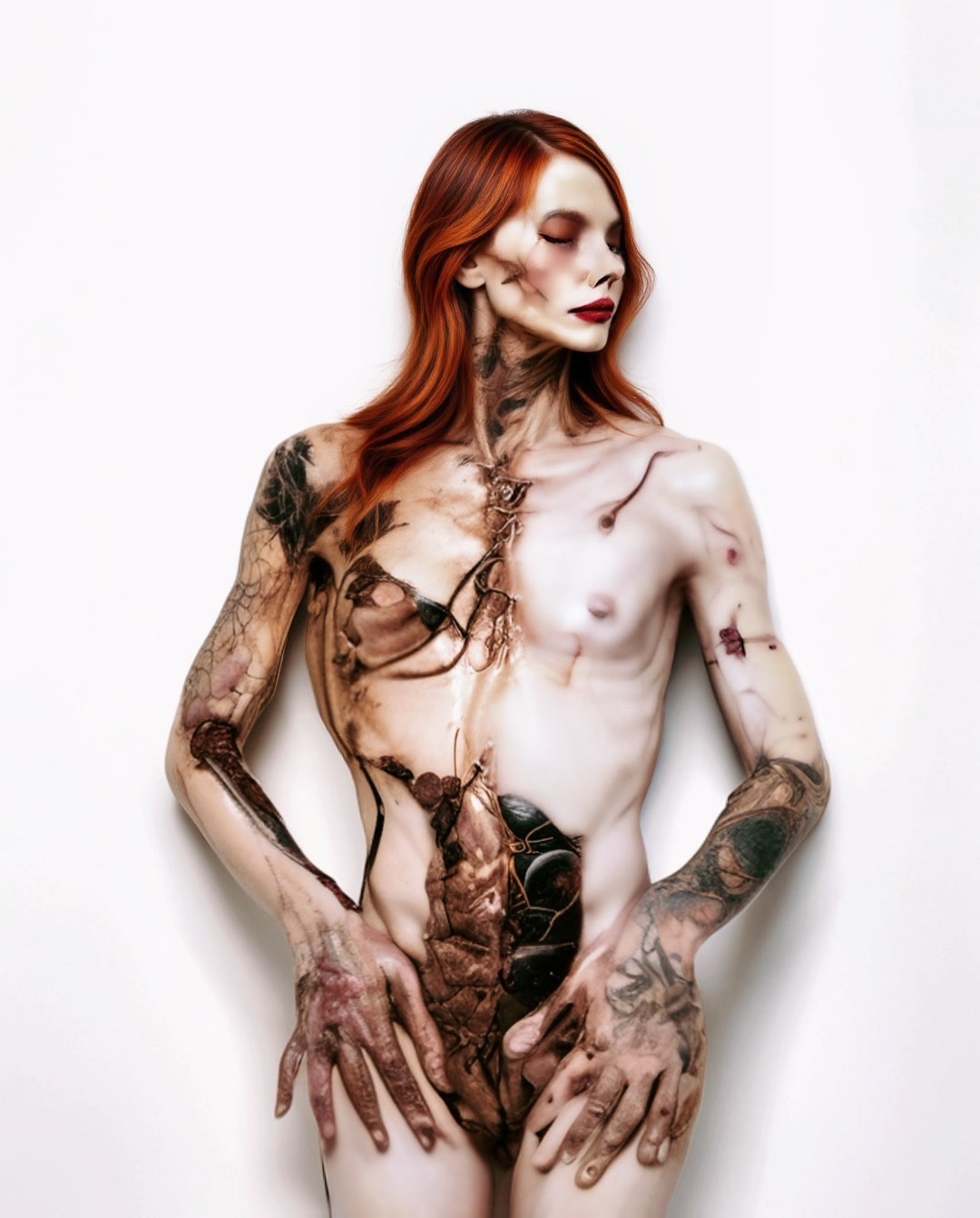
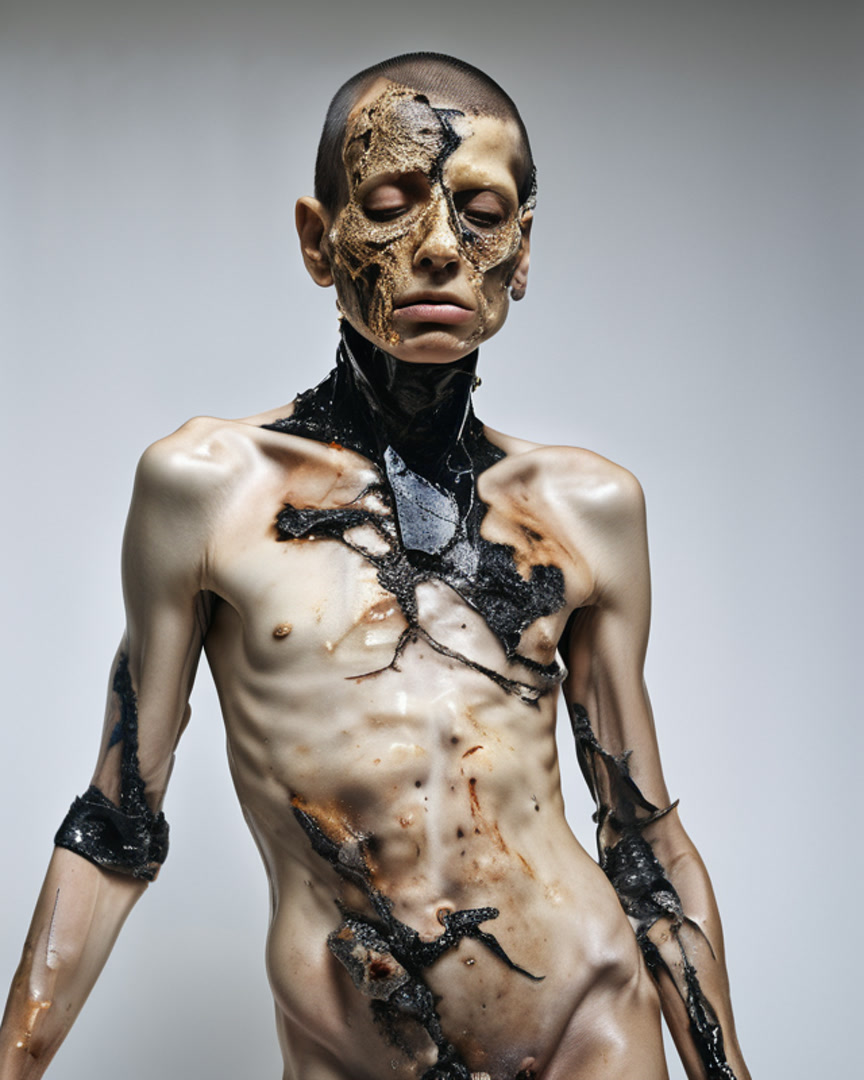
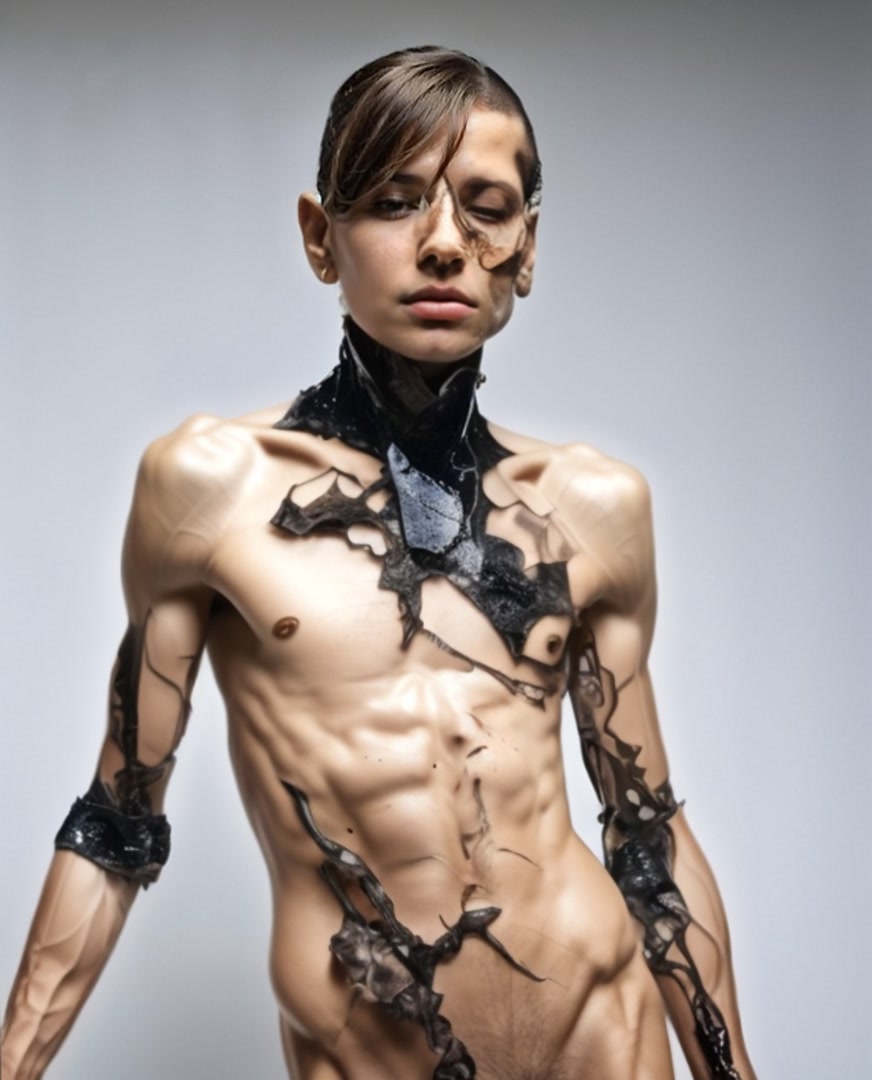
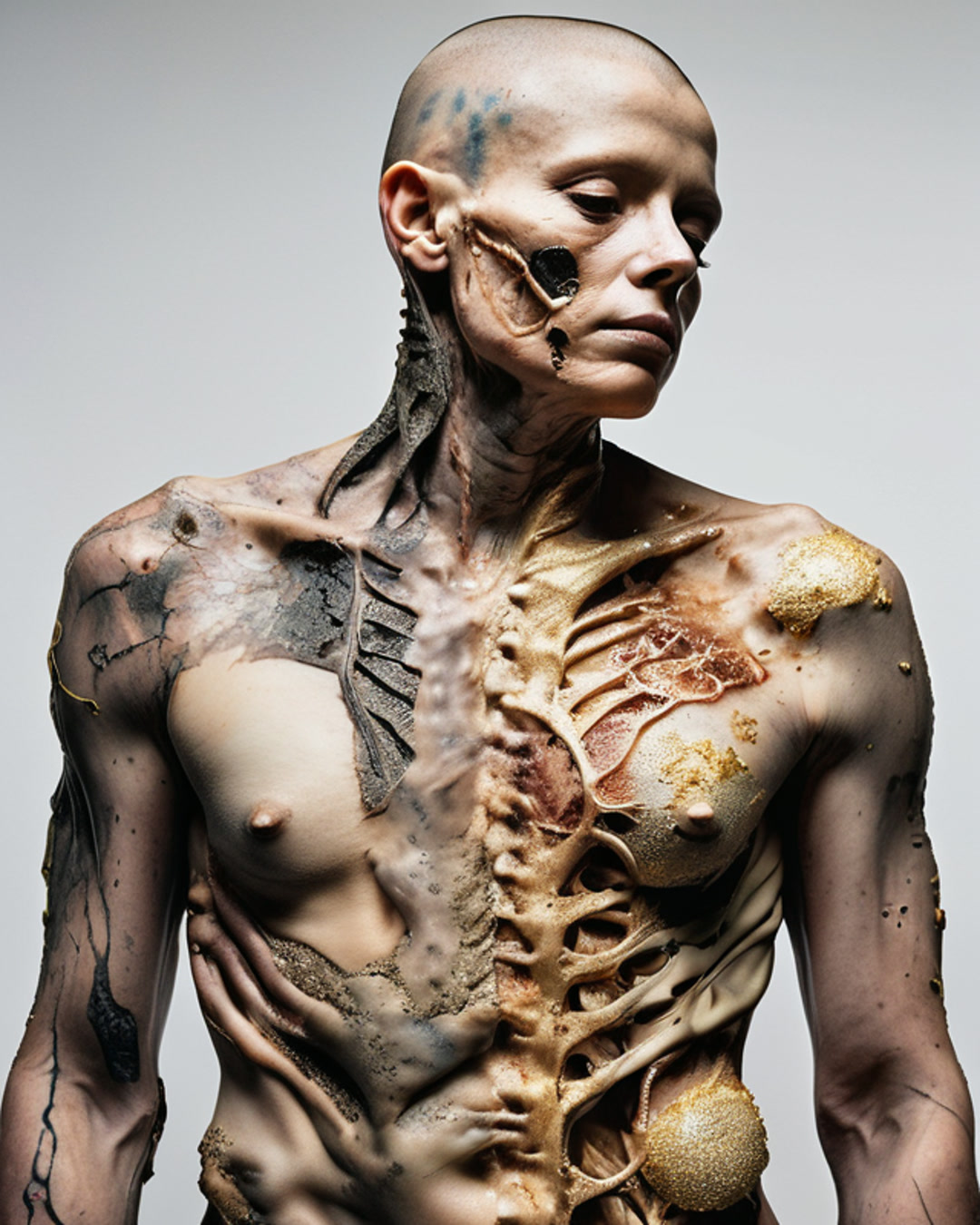
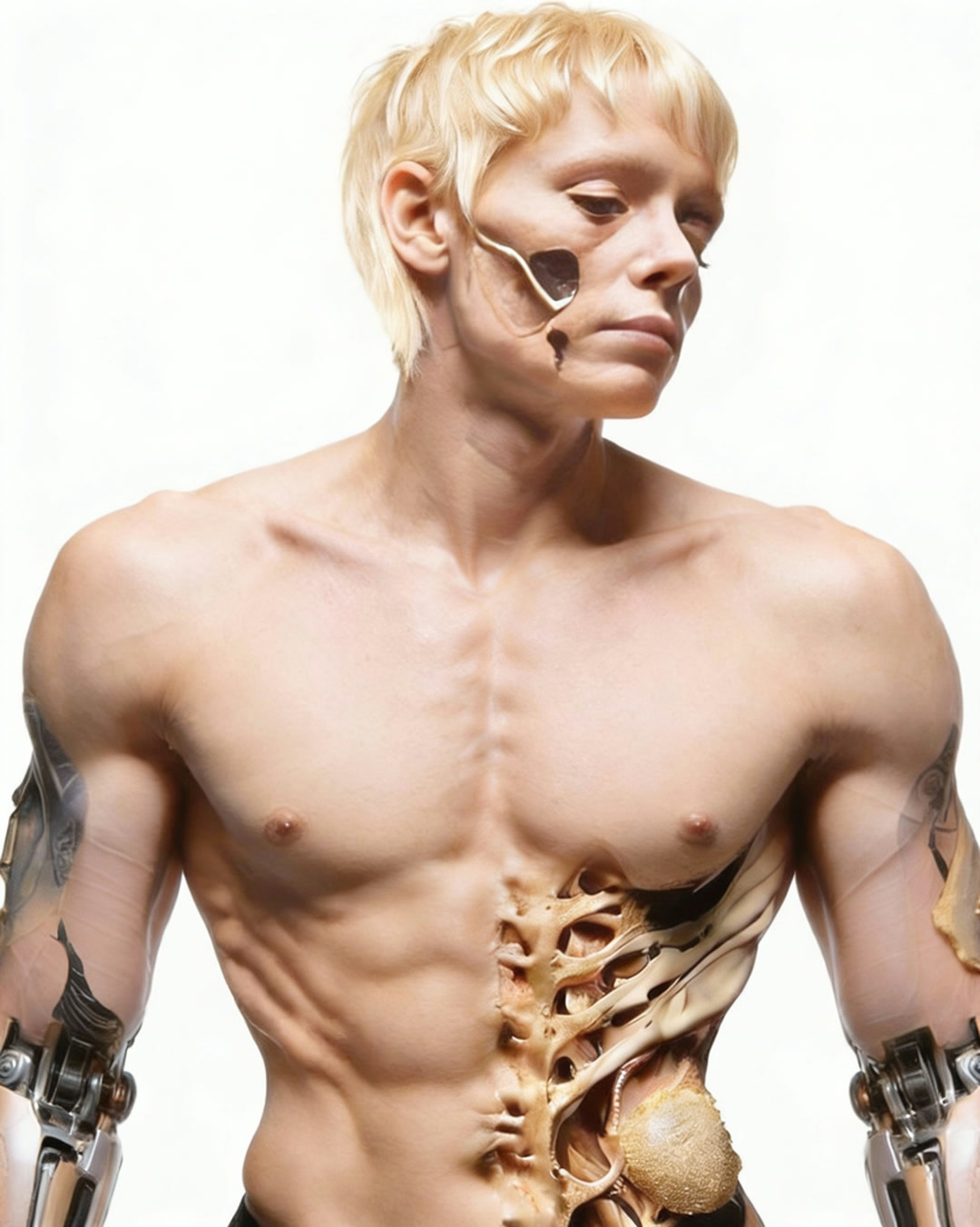
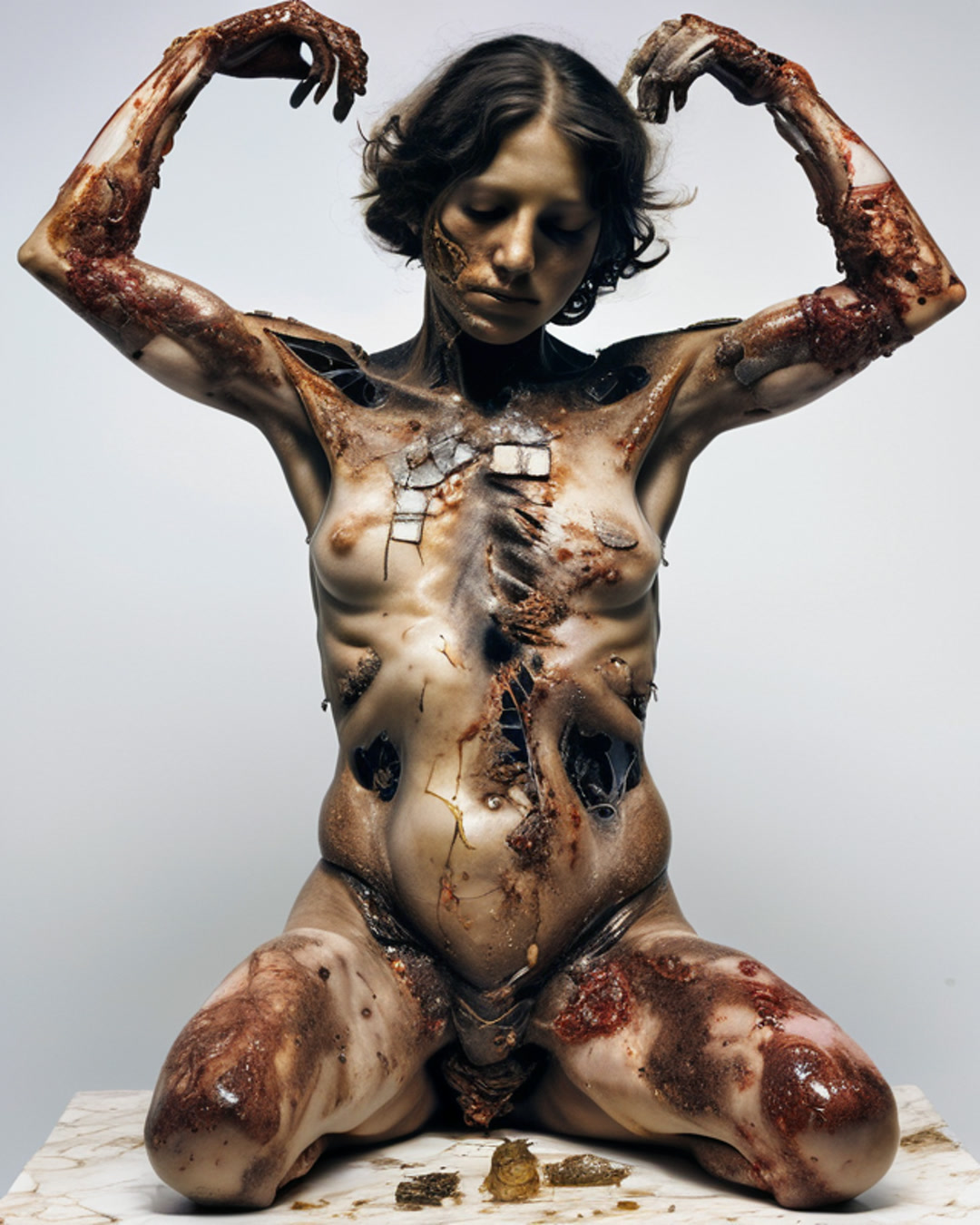
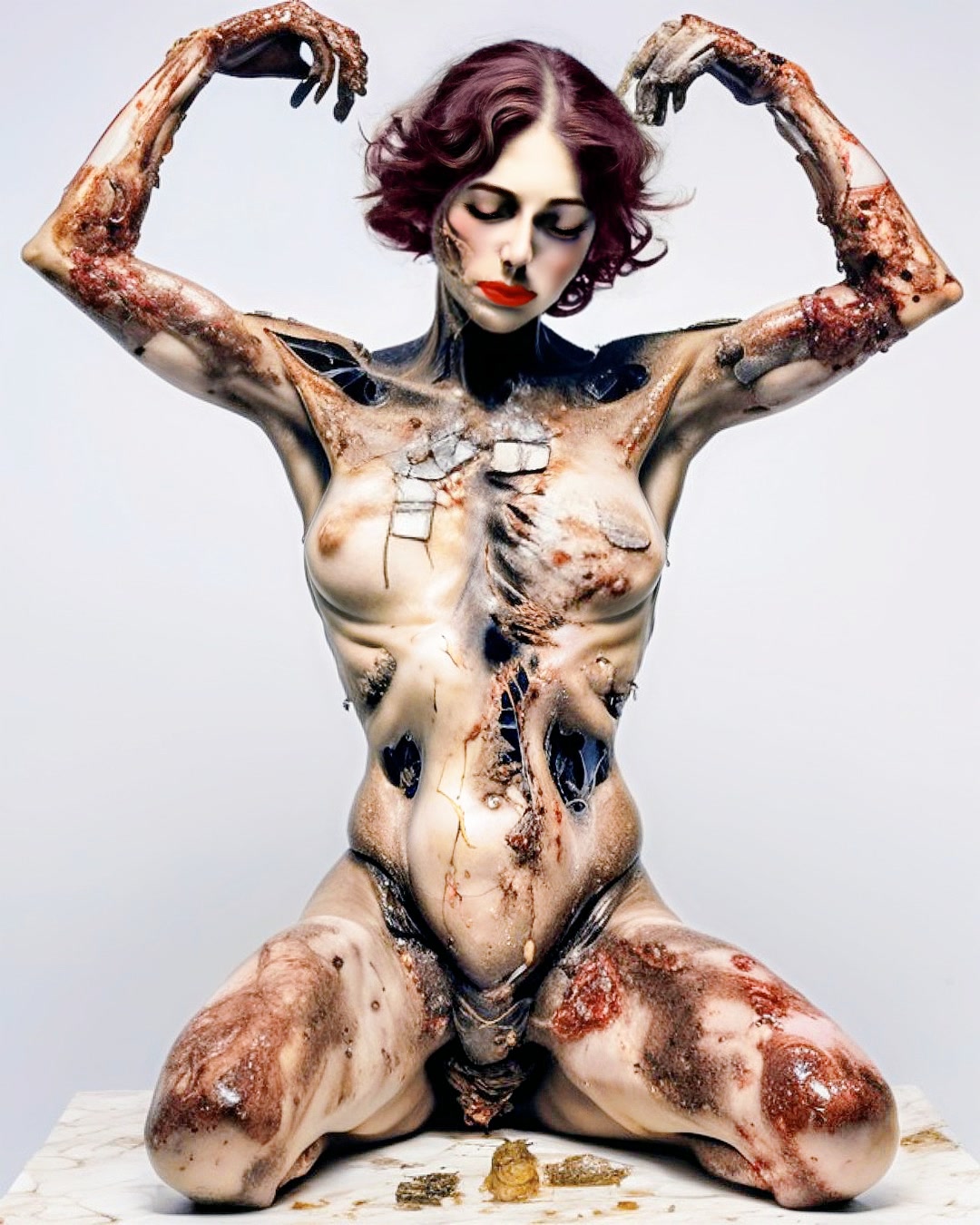
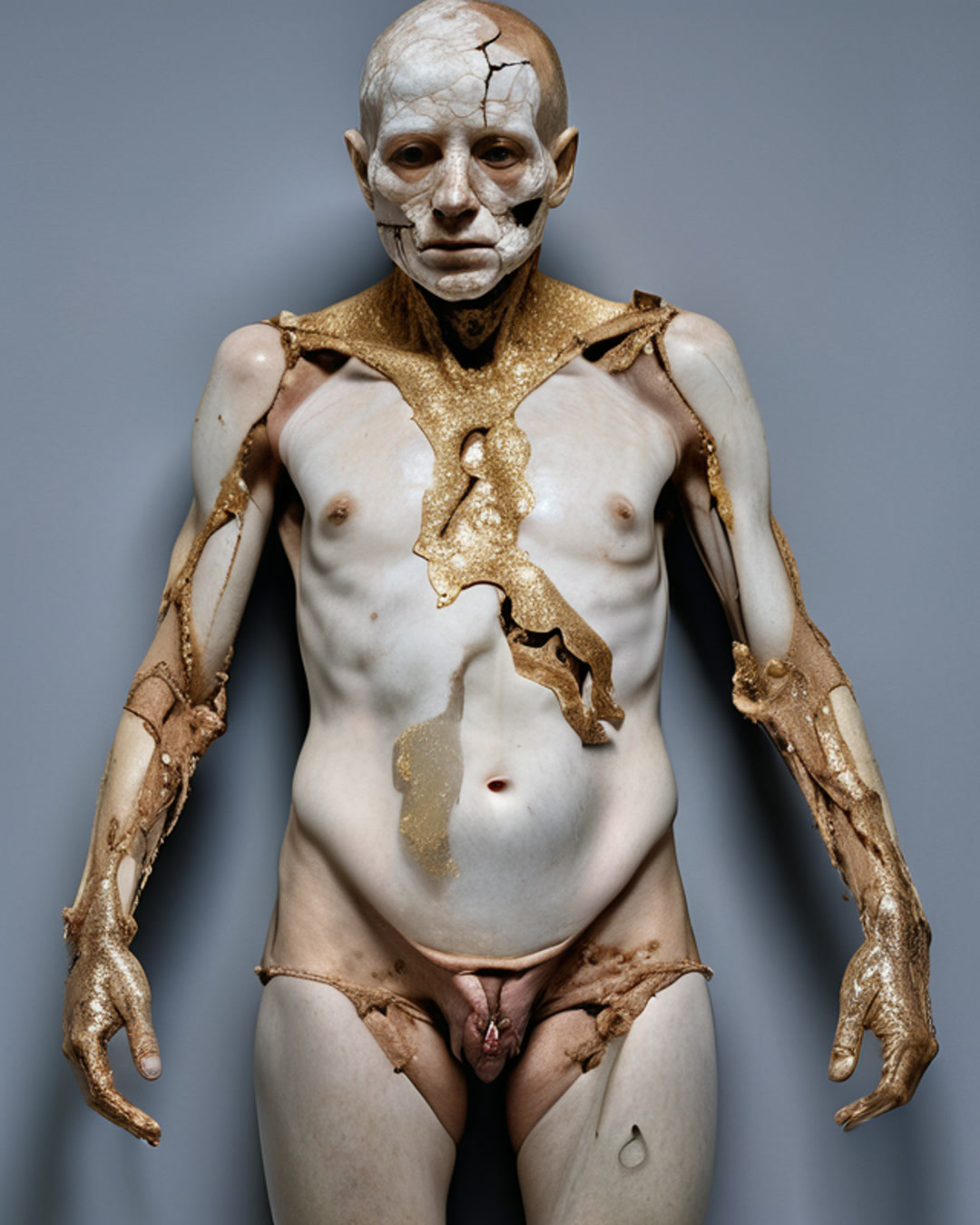
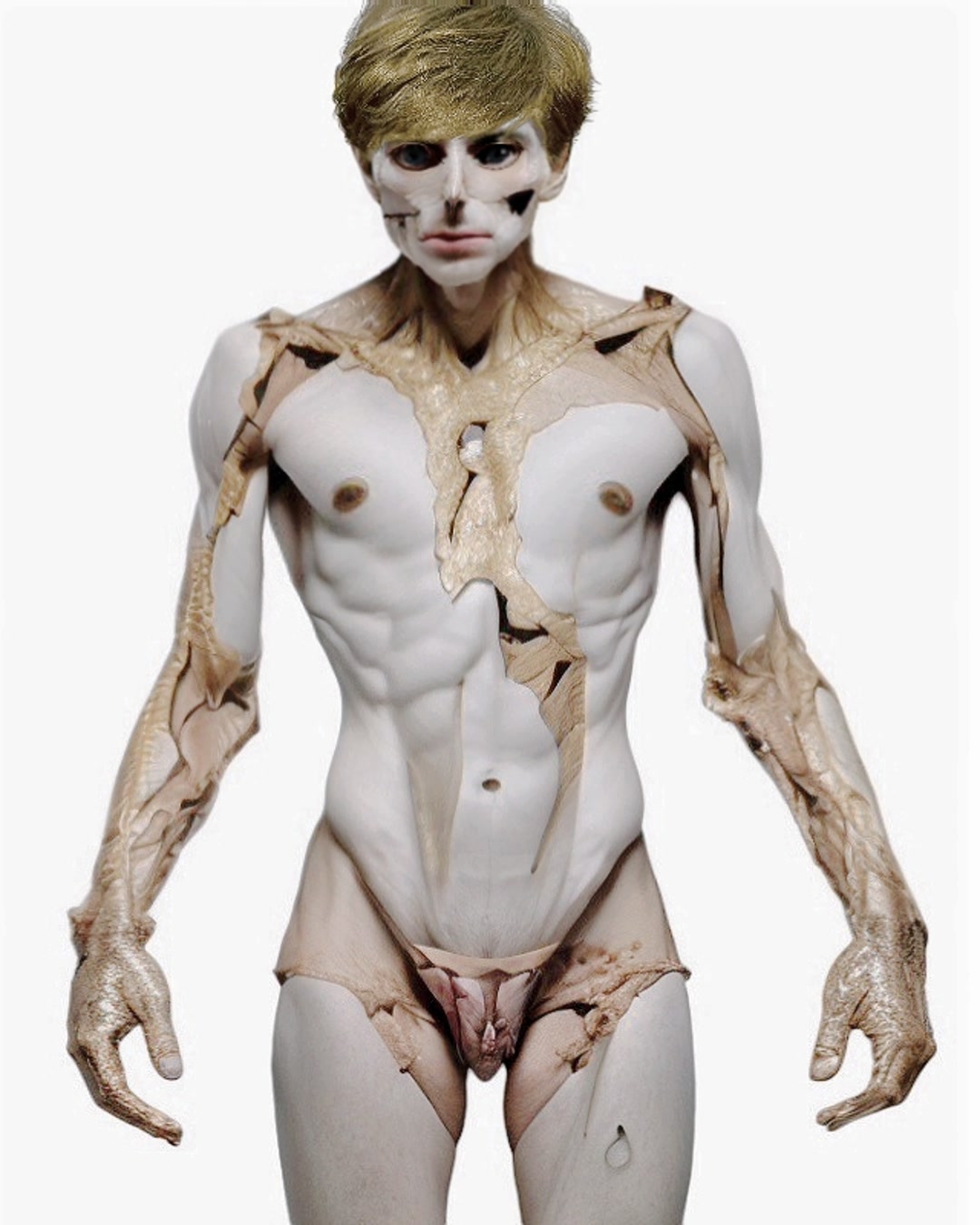
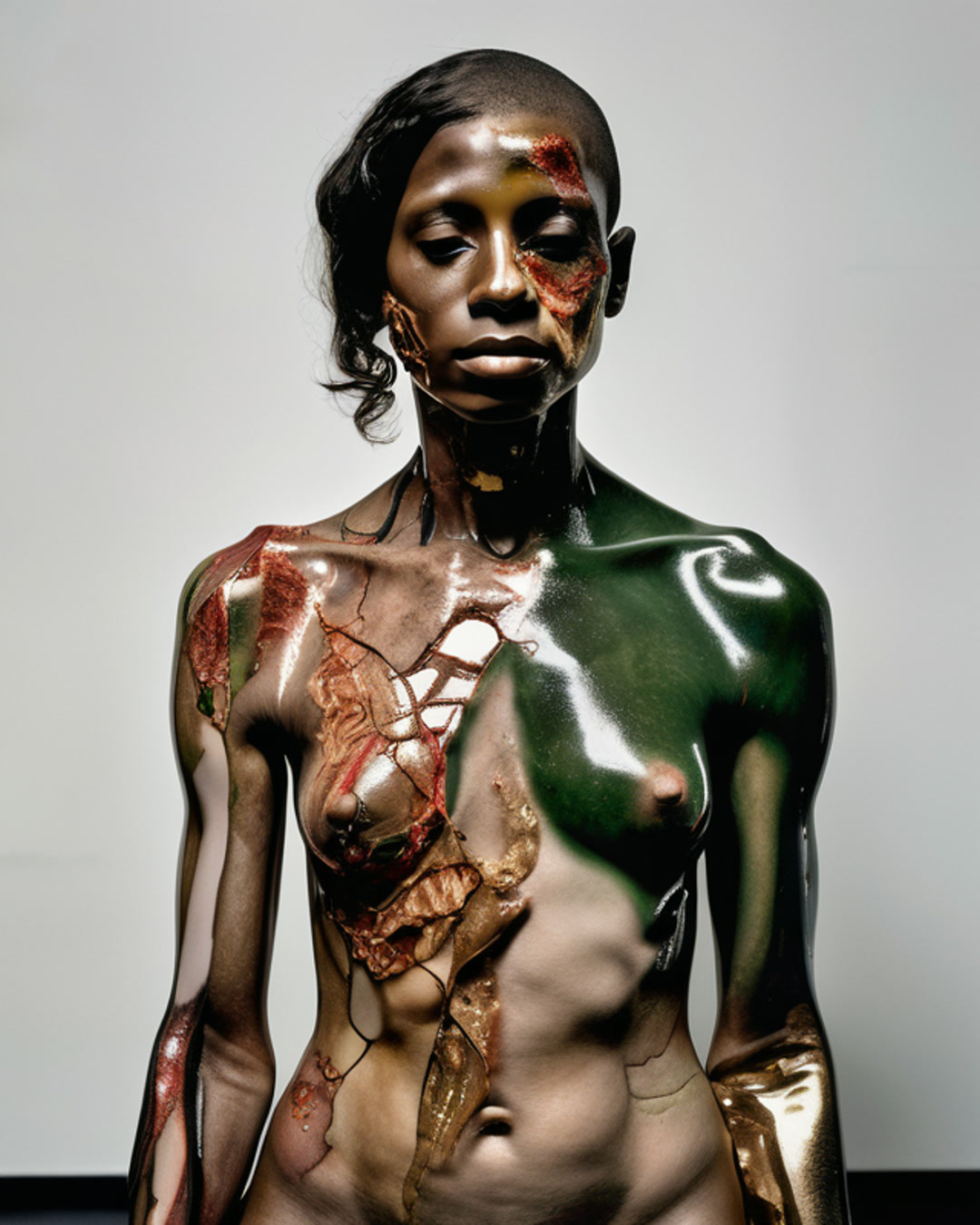

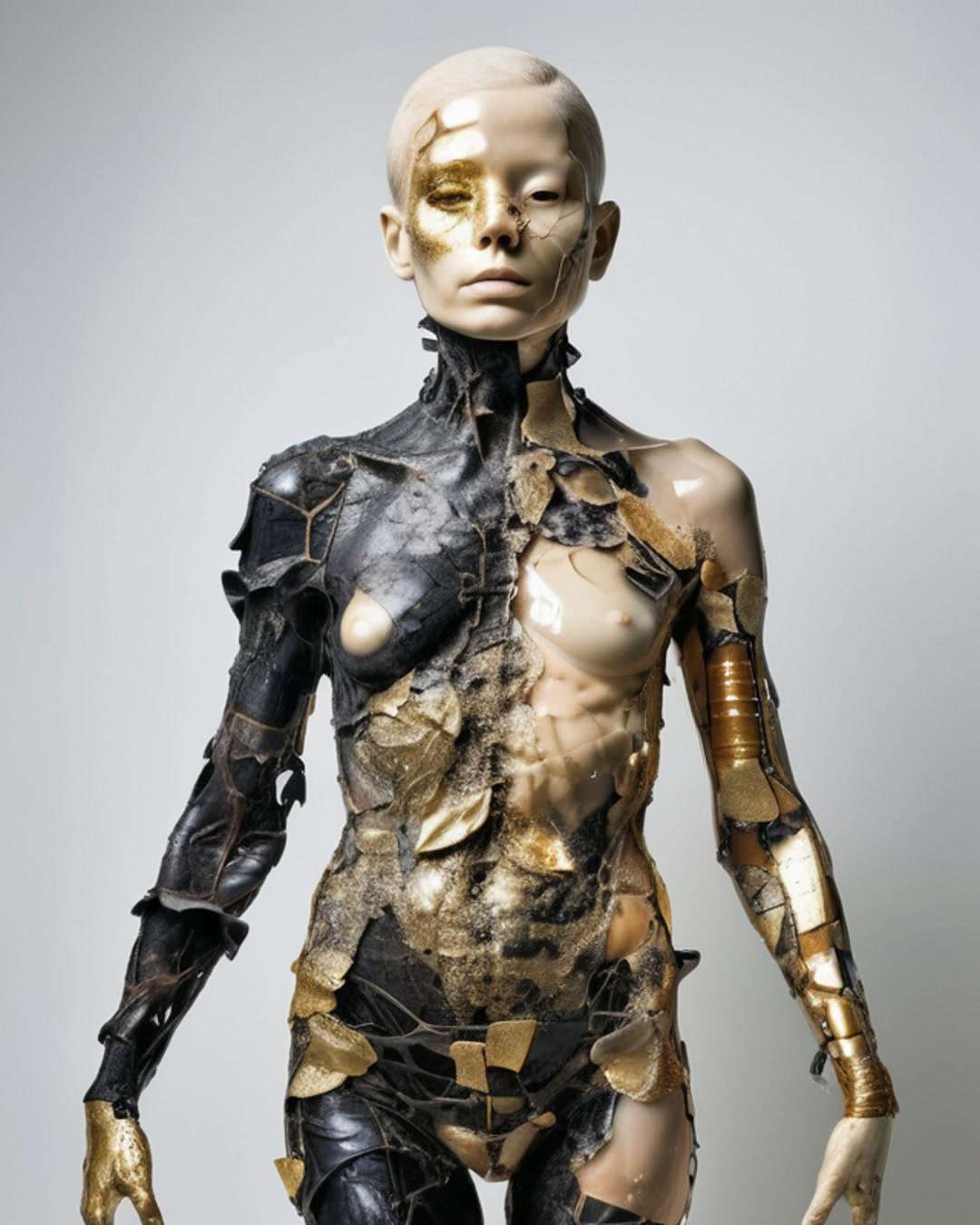
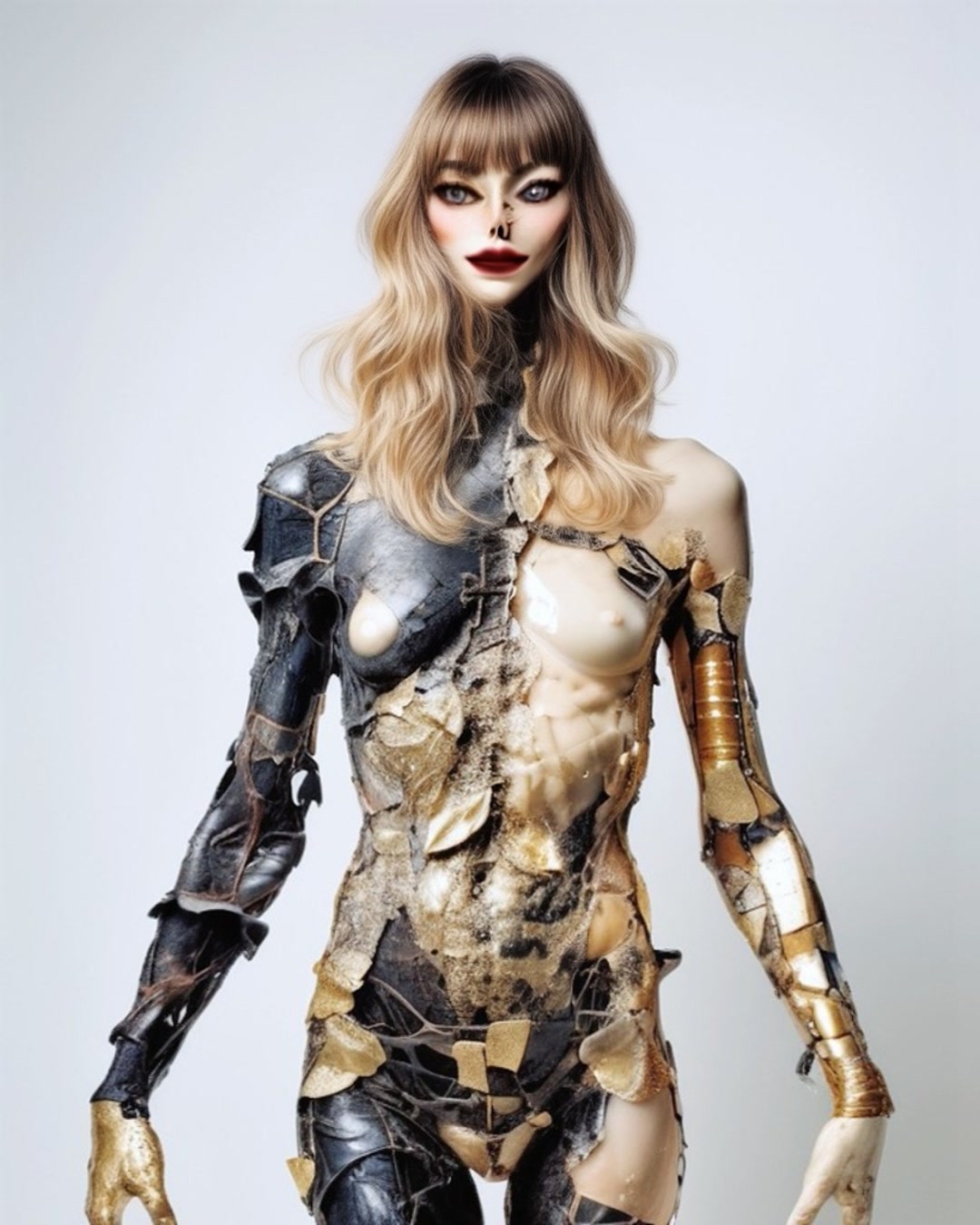
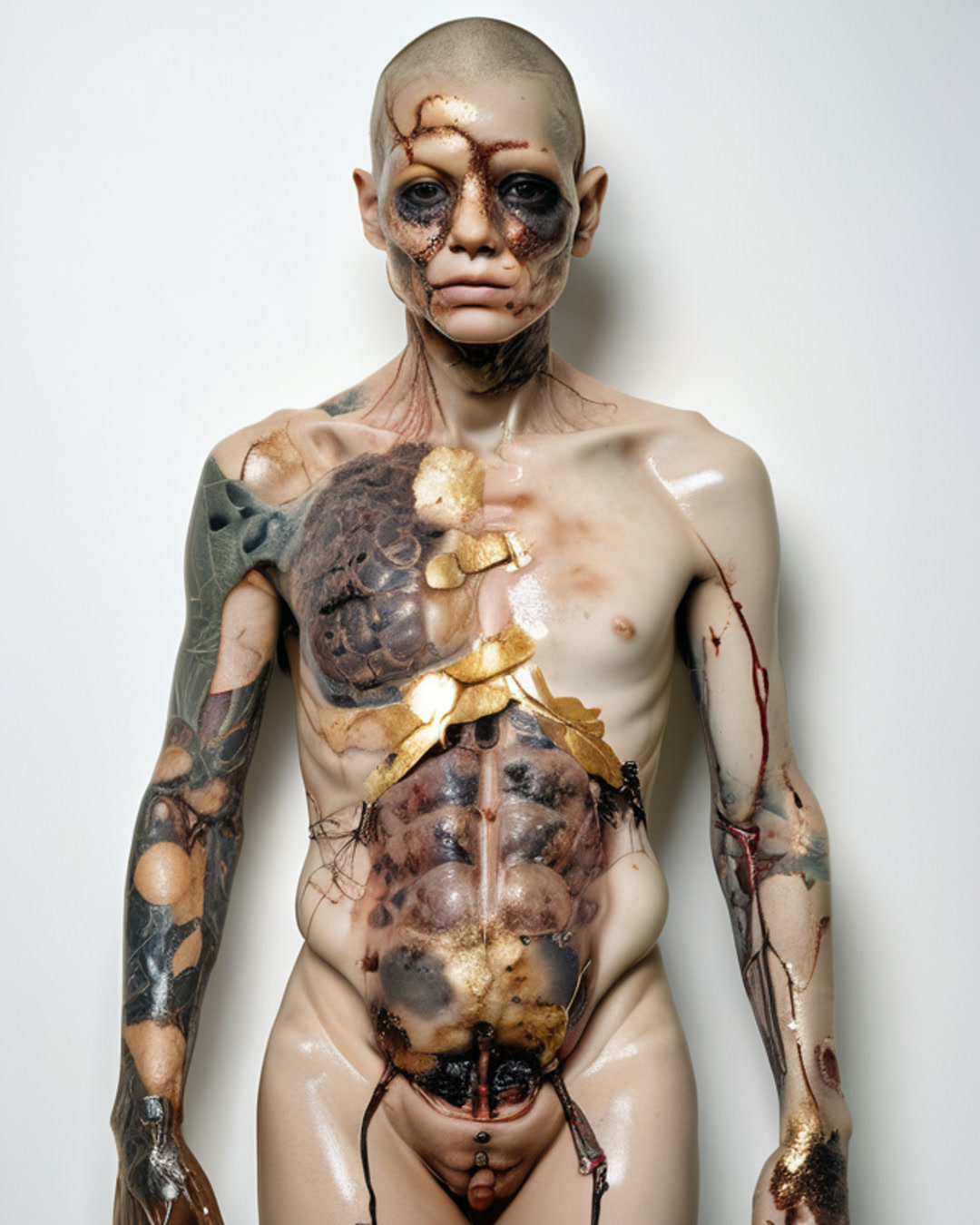
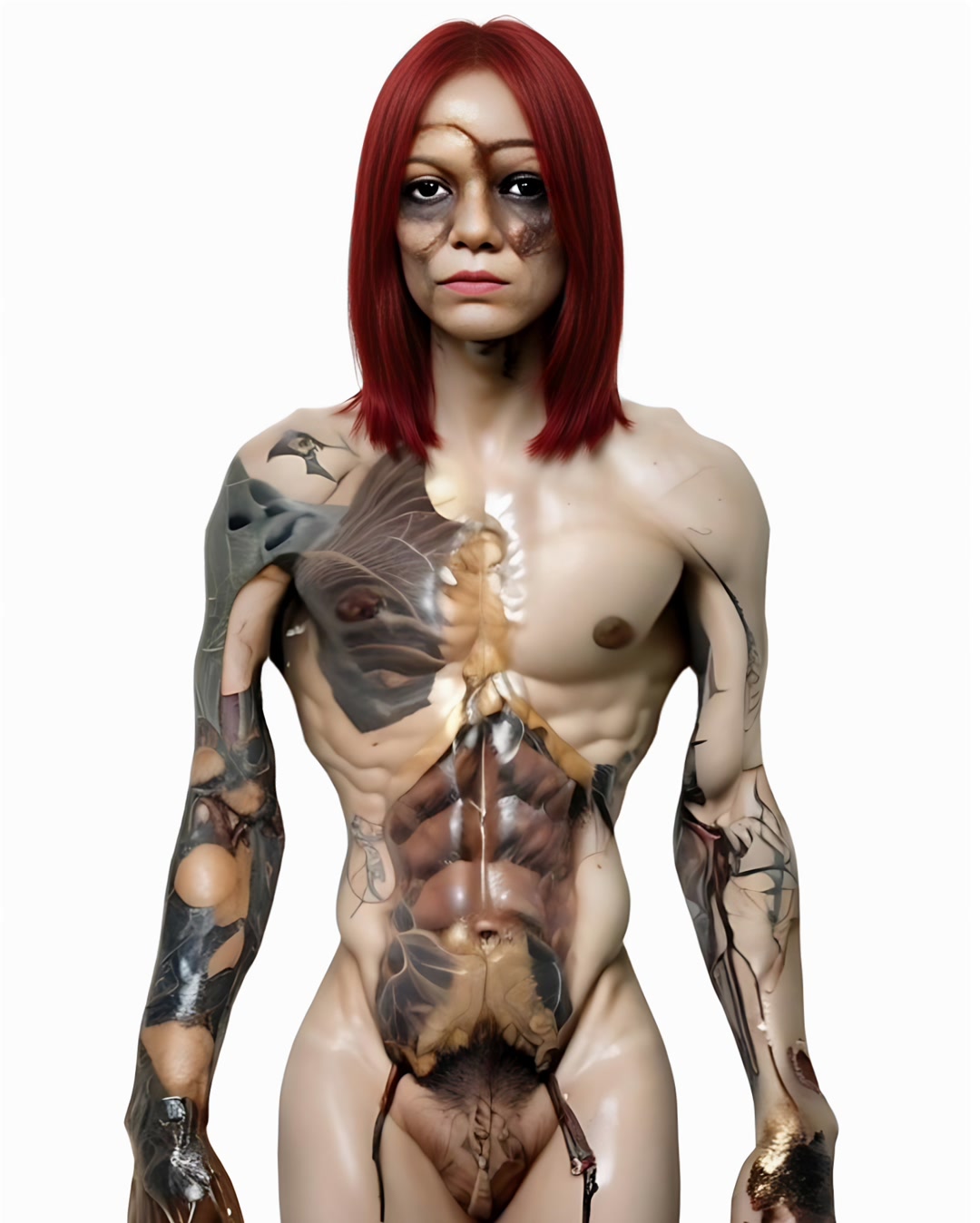
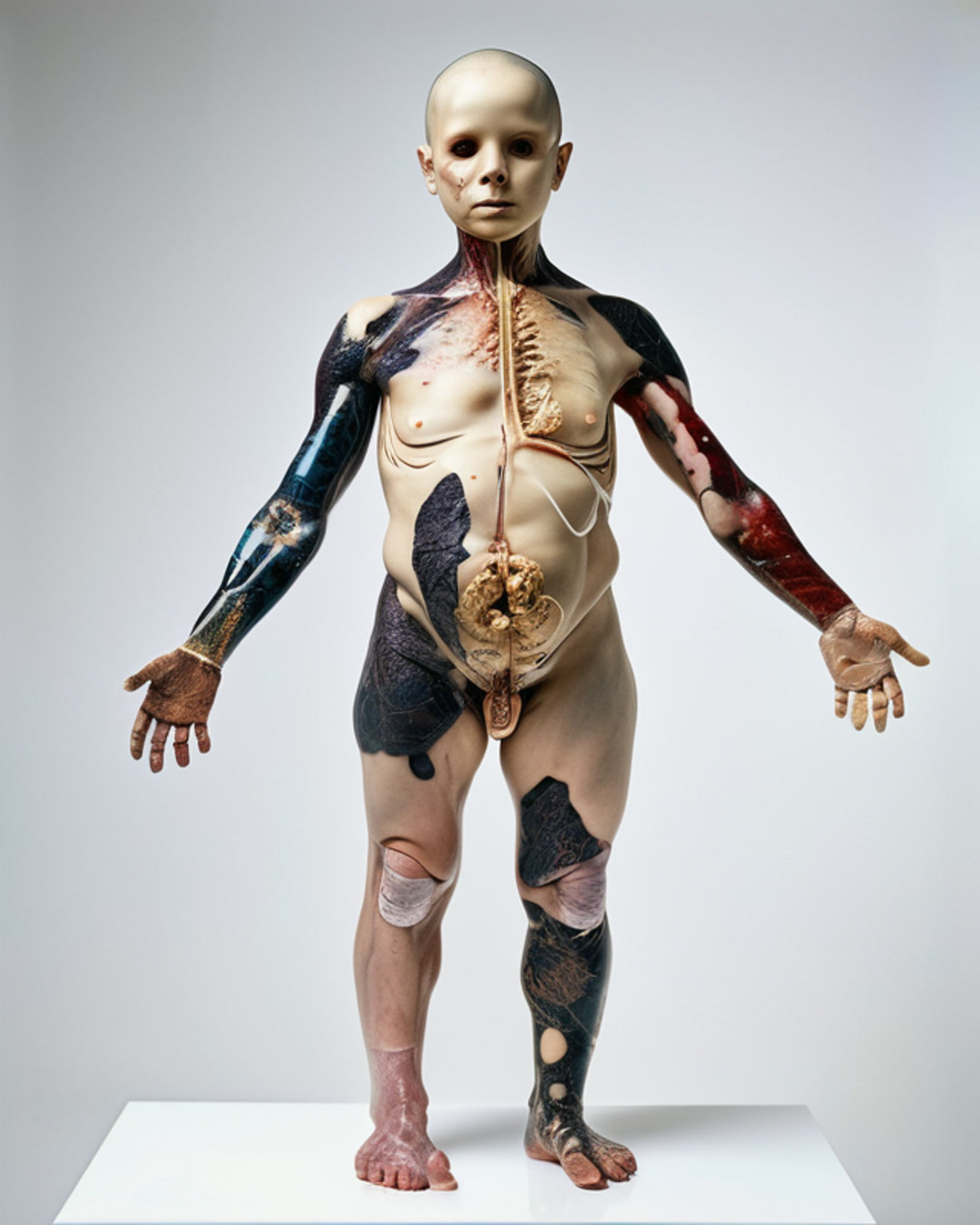
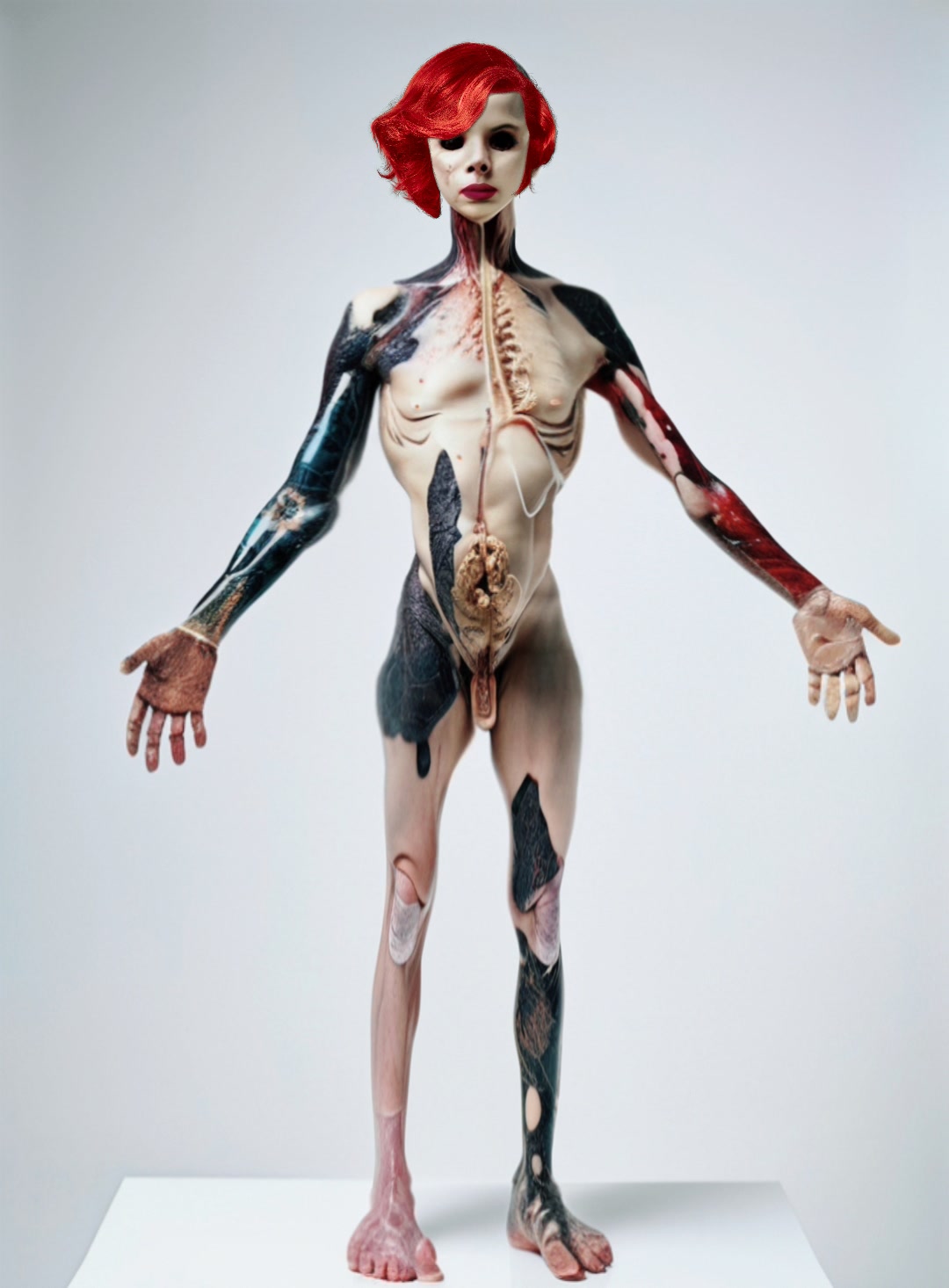
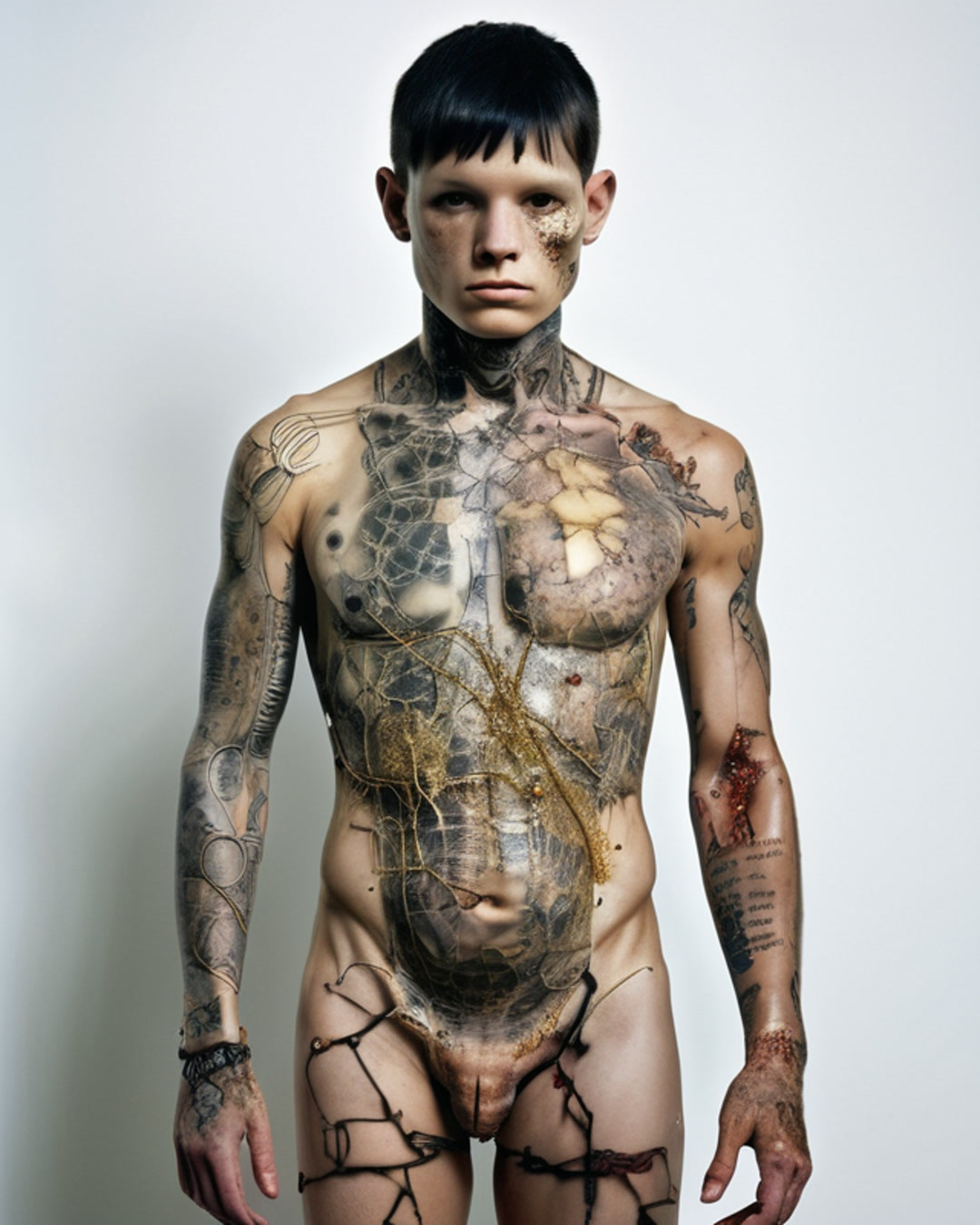
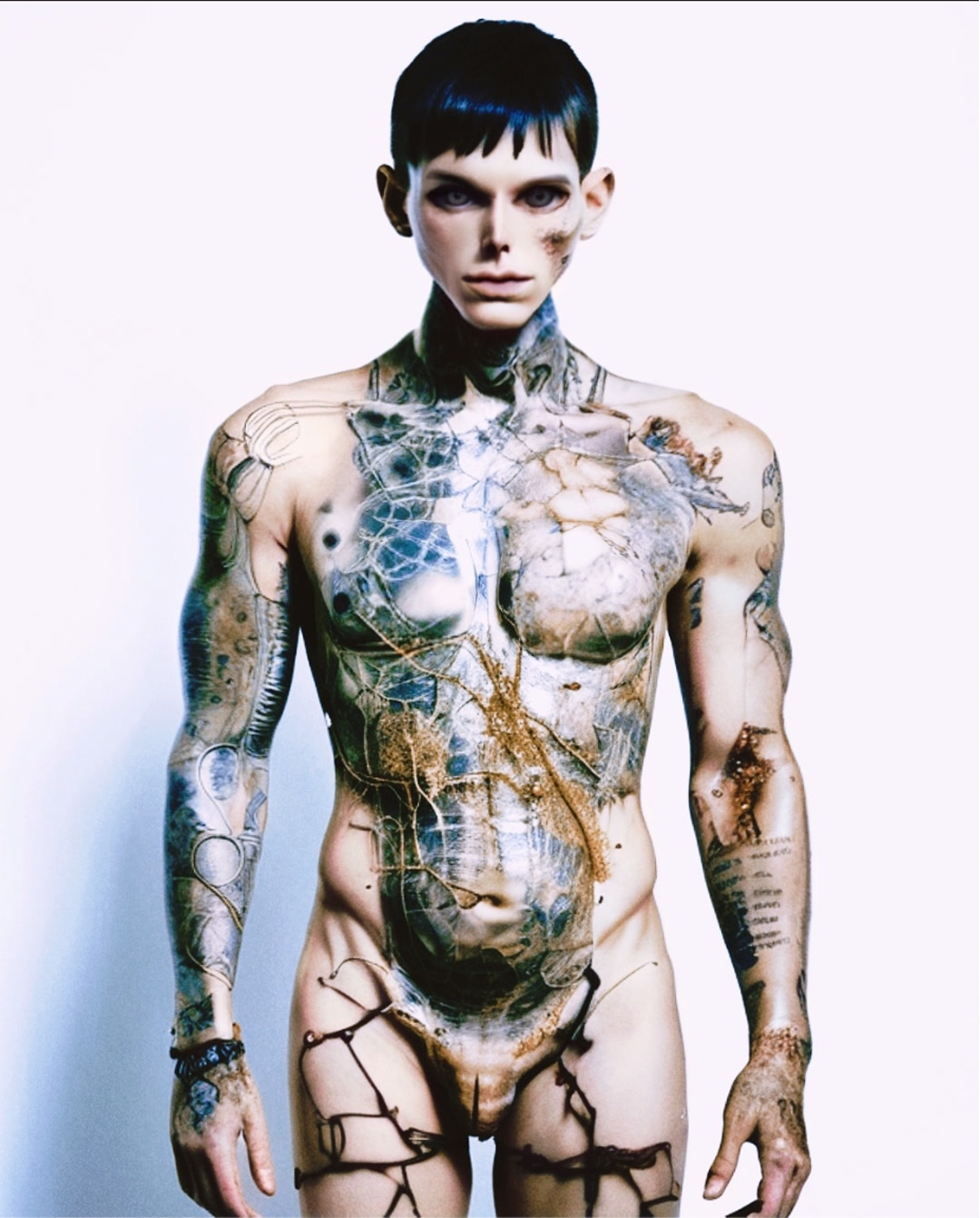
Portraits
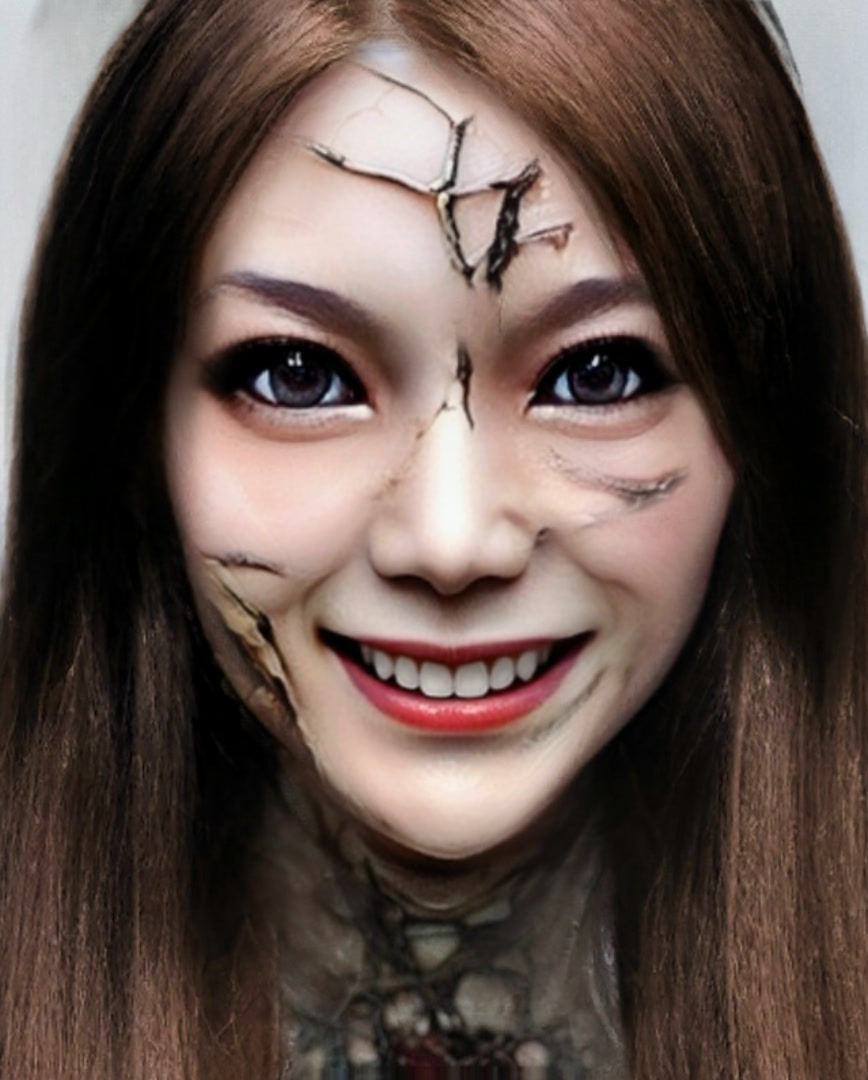
On the method
AI-generated faces from THƏ L∆B ØF ∆NØM∆LIƏS, passed through a beautification app. Shown in pairs: the face as generated, the face as corrected. Two machines, two datasets, one standard. AI against AI: one corrects where the other failed.