THƏ ØRD/N∆RY BØDY
The body dissected. Documented. Exhibited.
THƏ ØRDINARY BØDY is an ongoing series of AI-generated works that extract individual body parts from the whole and present them as specimens. Eyes. Head. Mouth. Neck. Shoulders. Hands. Ribs. Torso. Back. Legs. Each part isolated, removed from context, placed under forensic light. White cyclorama. Museum documentation language. The clinical distance of a collection.
Each image becomes a carrier — of words, of thoughts, of the propositions that float around bodies when bodies are put on display. The slogans that accompany each piece are not captions. They are arguments. The kind of text that appears in institutions when the object is too uncomfortable to let speak alone. Except here the discomfort is symmetrical: the text and the image argue with each other, and neither wins.
These are projections — digital visions of possible physical installations. Assemblages of ruin, wasteland, industrial salvage, and biological remnant. The body not as origin but as accumulation. Scar tissue as architecture. Wound as material. What remains when the whole collapses and the parts refuse to disappear.
The body as ruin. The ruin as monument. The monument as evidence.
Works
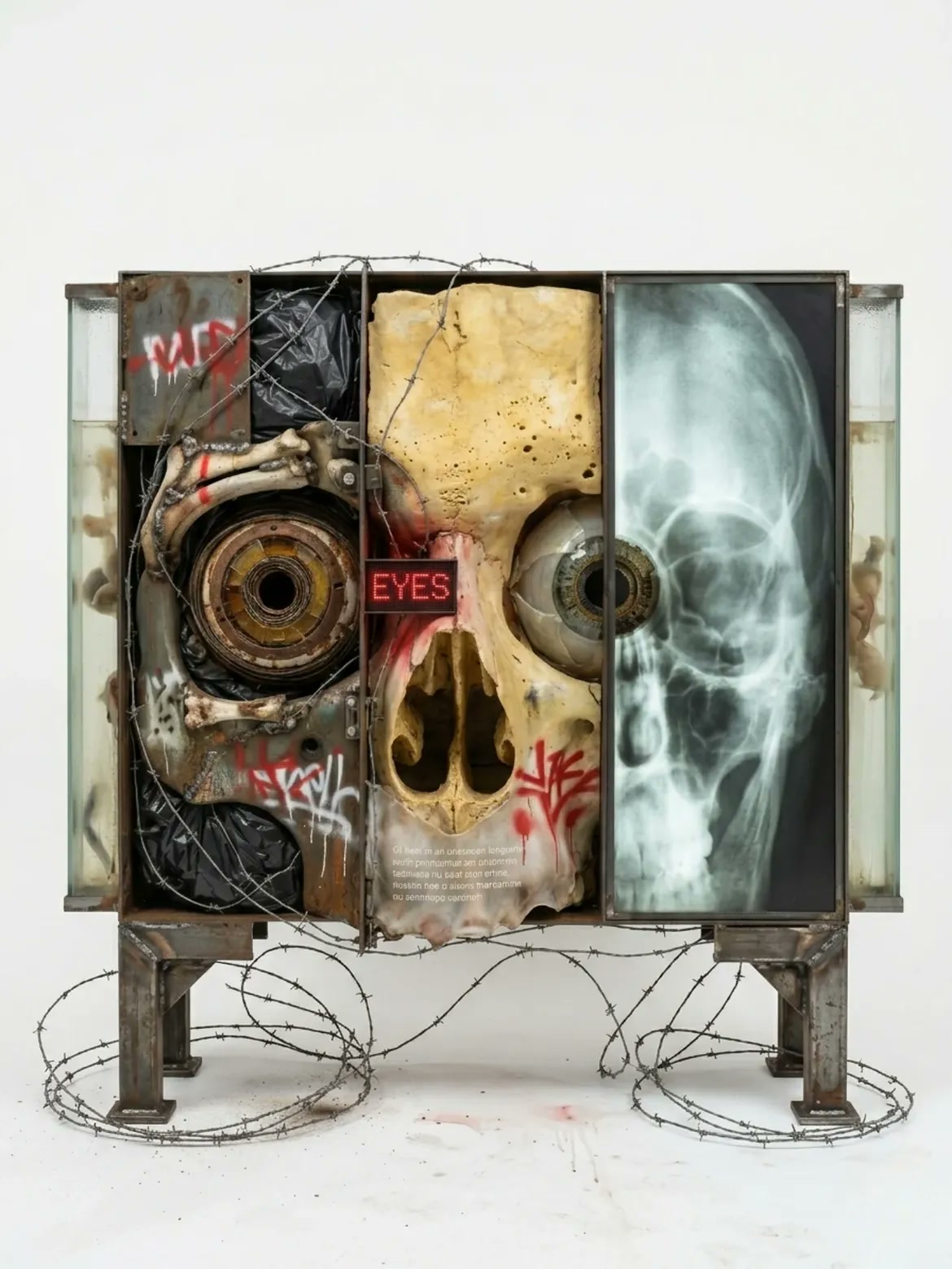
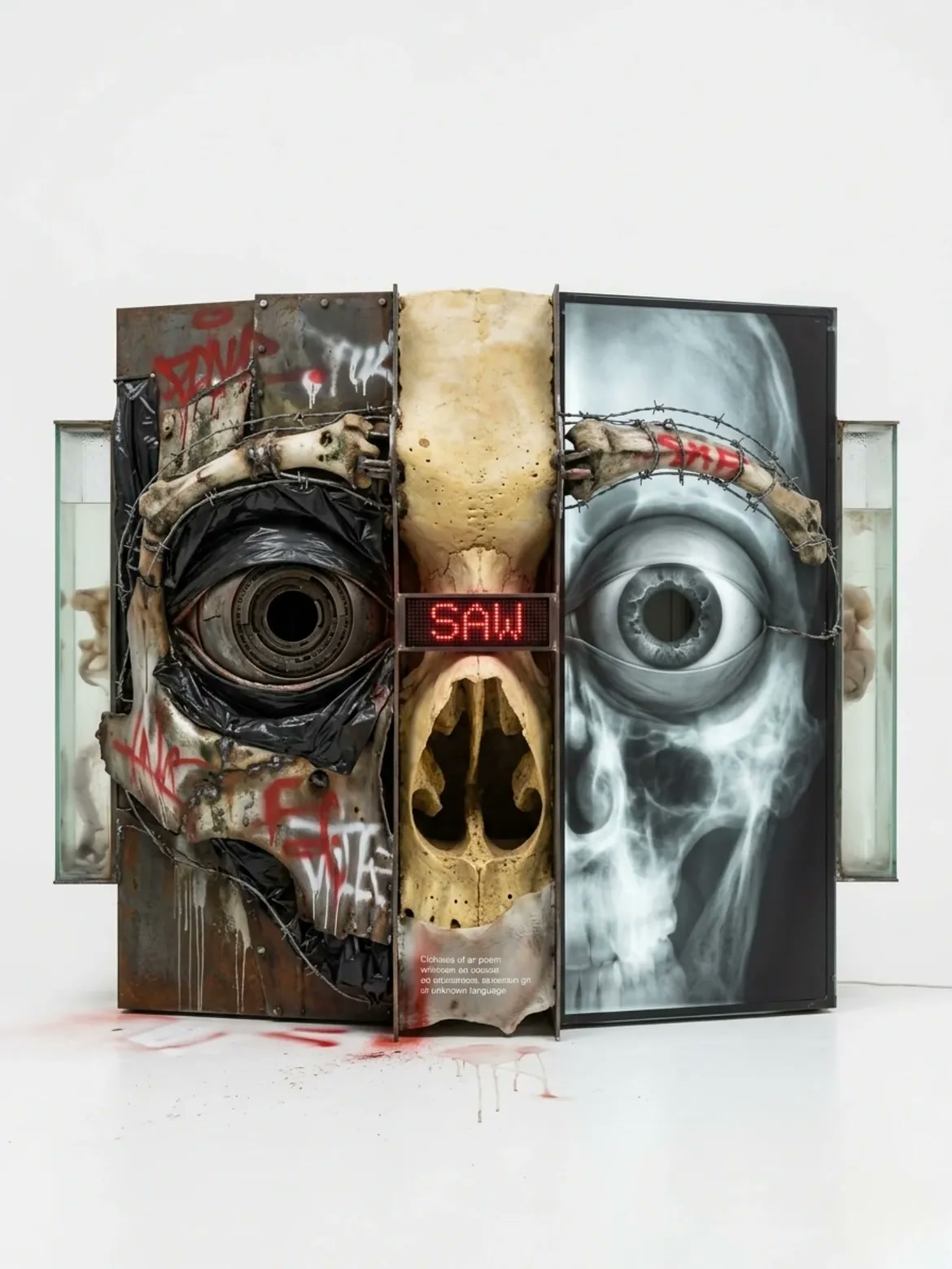
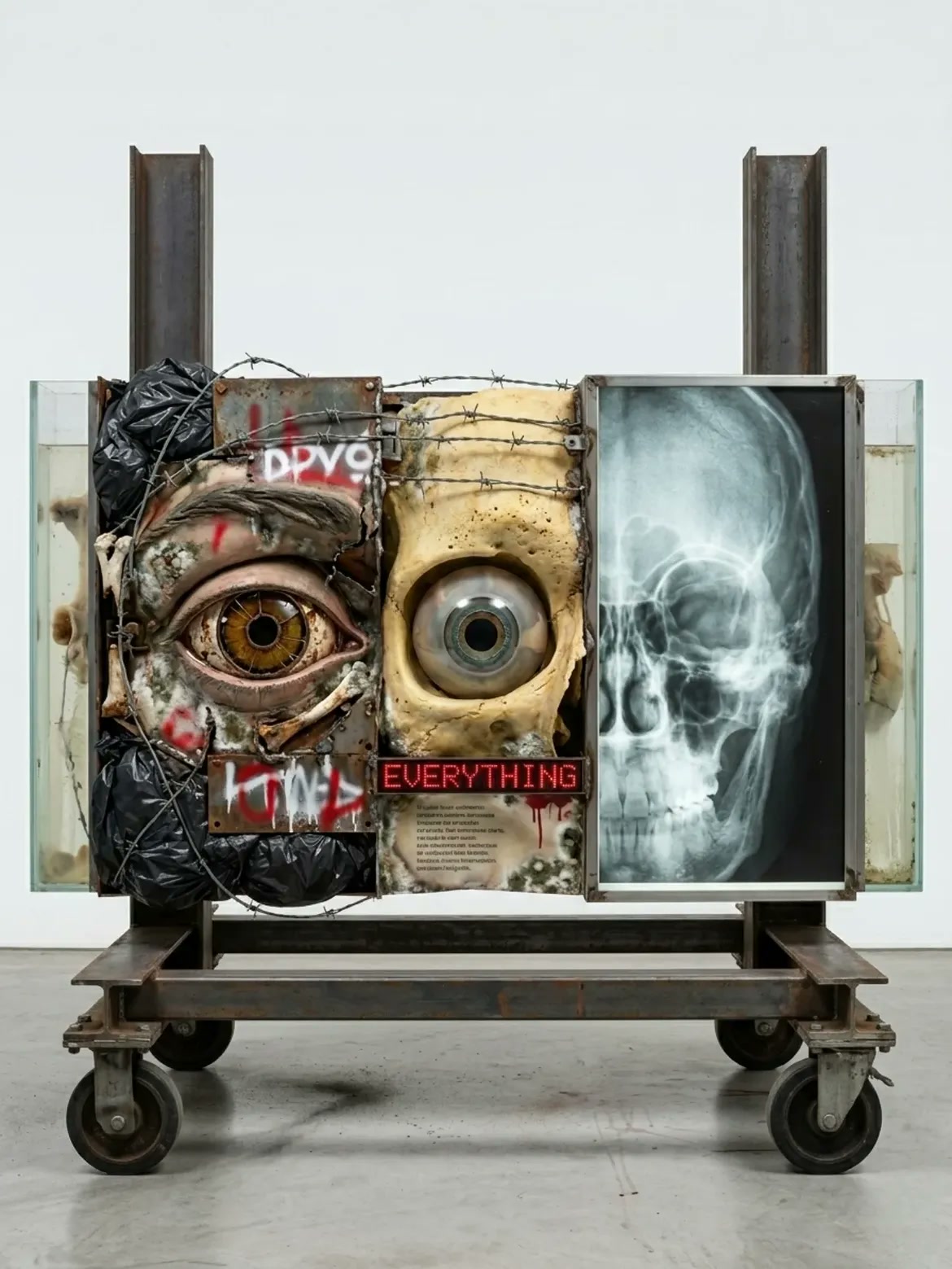
They were never asked to forget. That was the problem. The eyes recorded everything — the line, the document, the uniform, the hand that signed, the face that looked away. The body could be broken, the voice could be silenced, the hands could be stilled. But the eyes kept the archive. This is why they were the first target. Blindfolds before executions. Hoods before interrogations. Screens before populations. The system has always known: you do not control a body until you control what it sees. The ordinary body carries its eyes like it carries everything else — open, exposed, recording. Even now. Even here. Even after everything that was done to make them close.
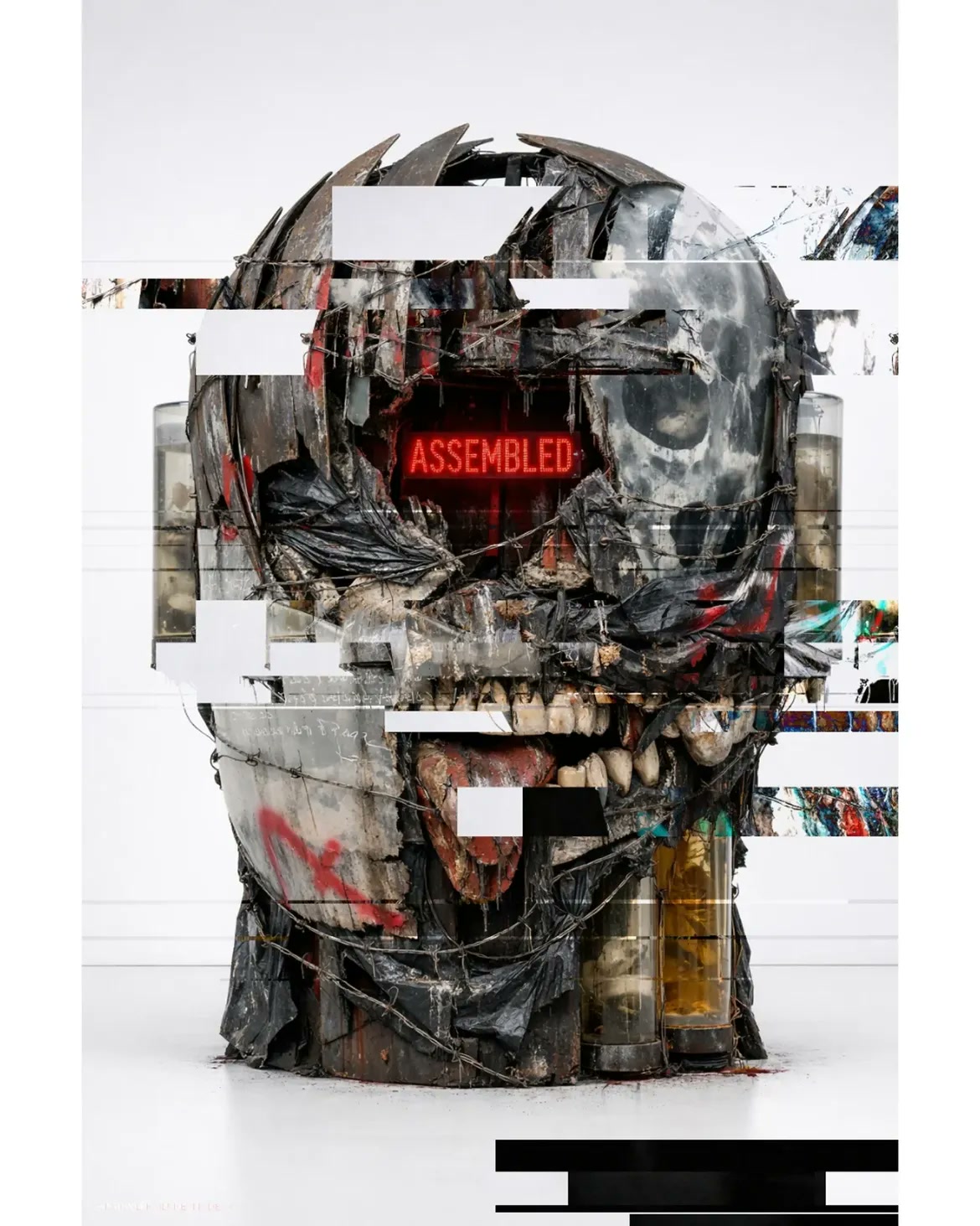
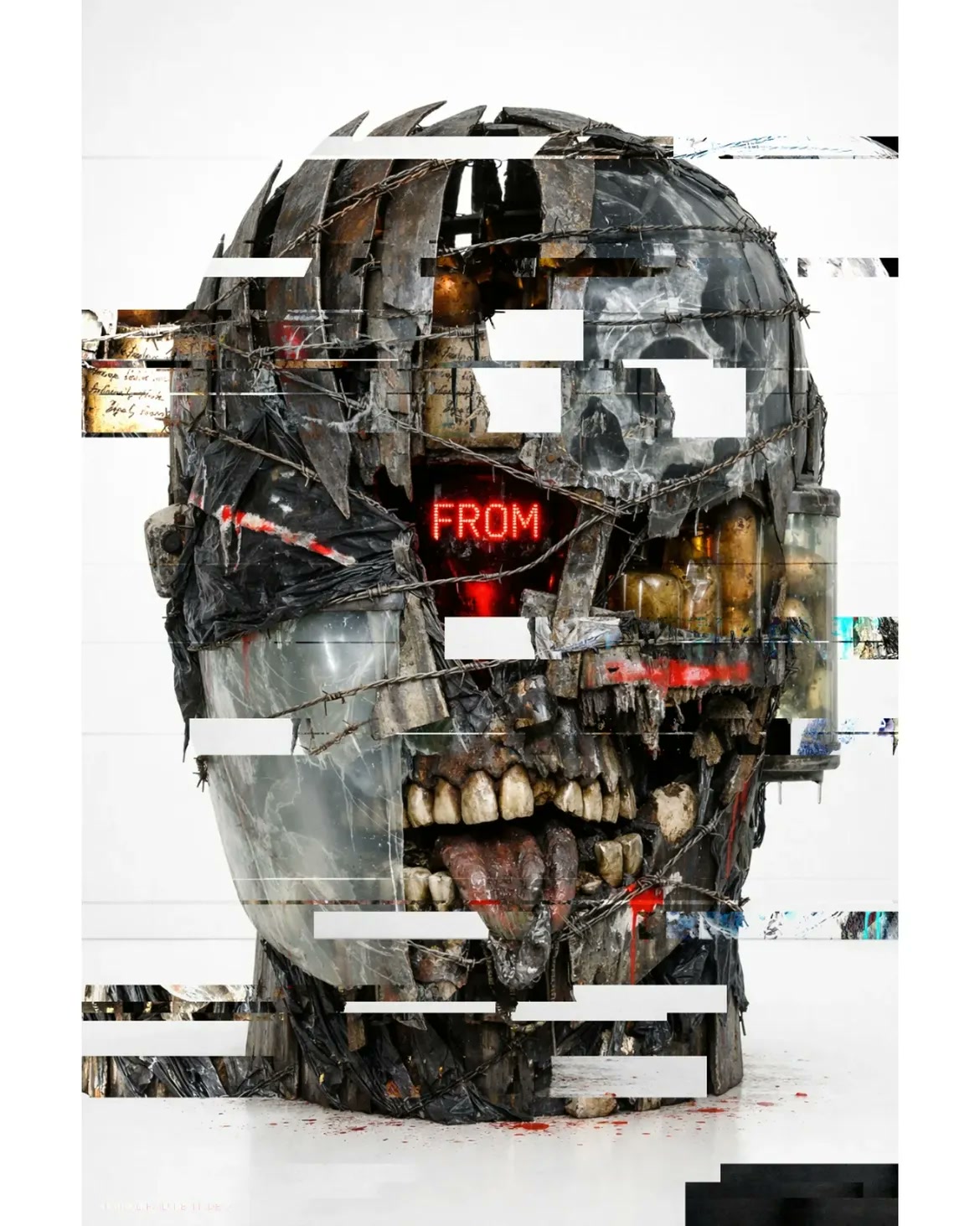
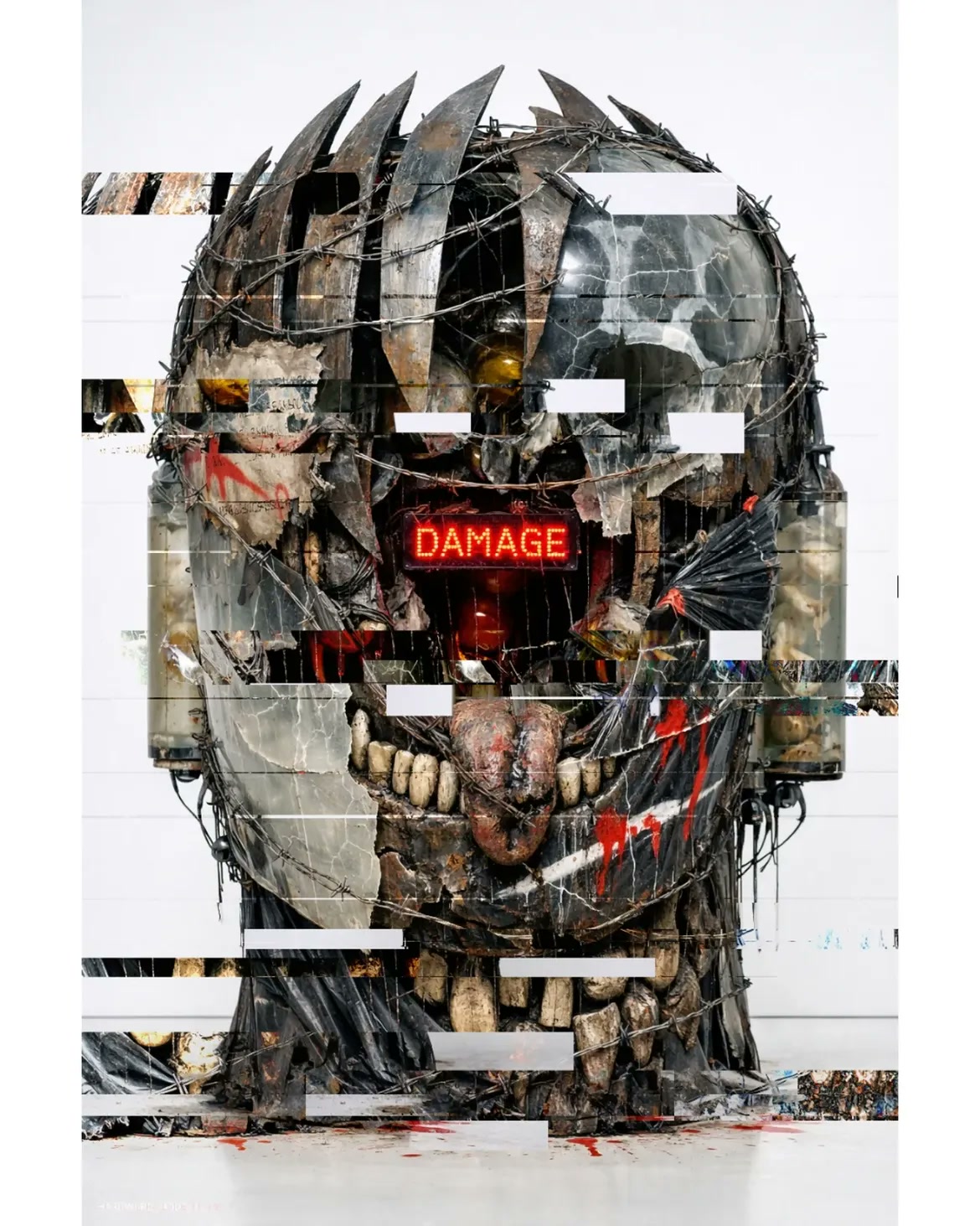
Nothing here was born whole. Every fragment pulled from the wreckage of what was used, praised, ignored, broken open. The body not as origin — as accumulation. Scar tissue as architecture. Wound as material. This is not a portrait of suffering. This is a blueprint. Damage was never the end of the story. Damage was always the medium.
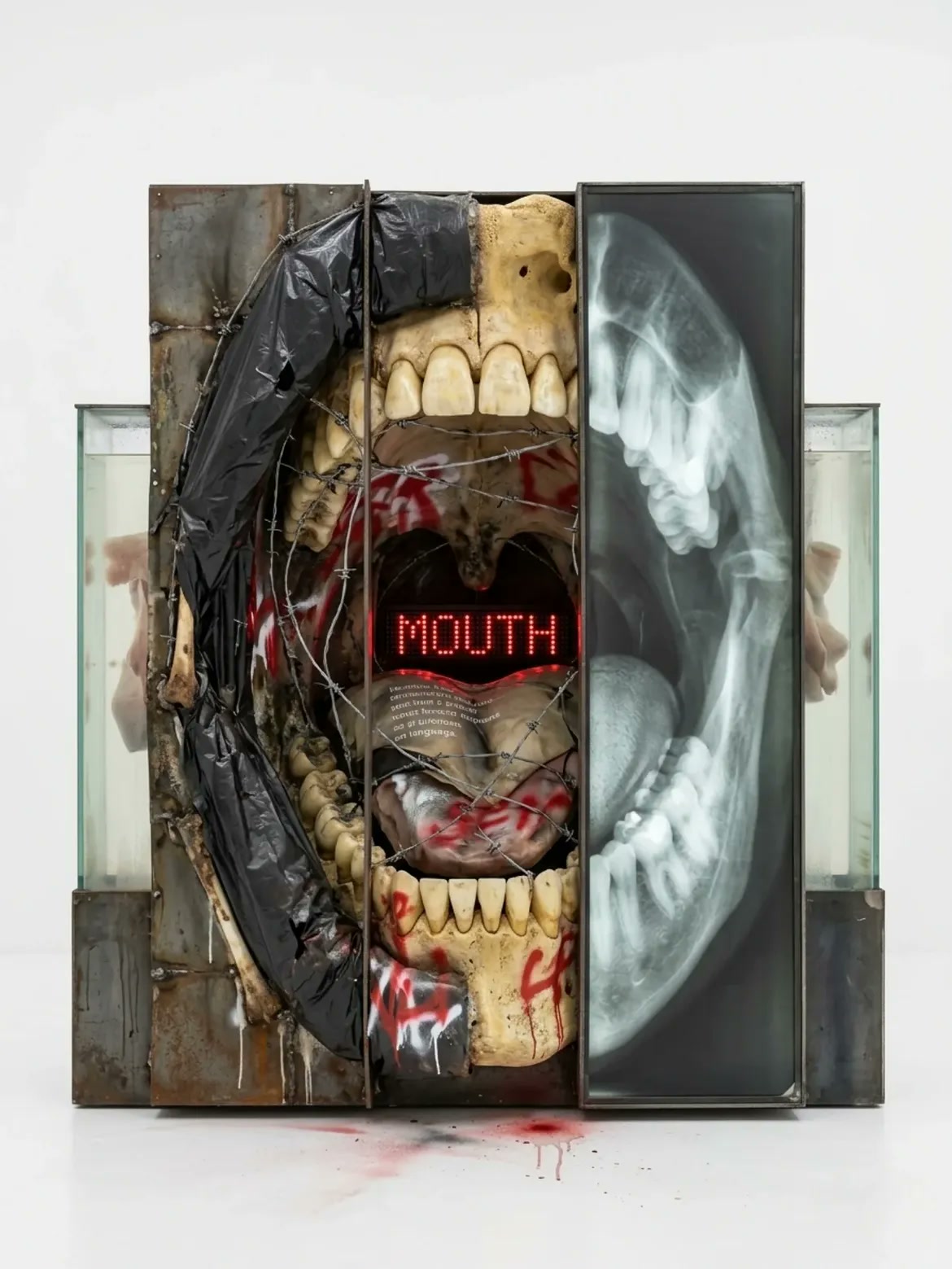
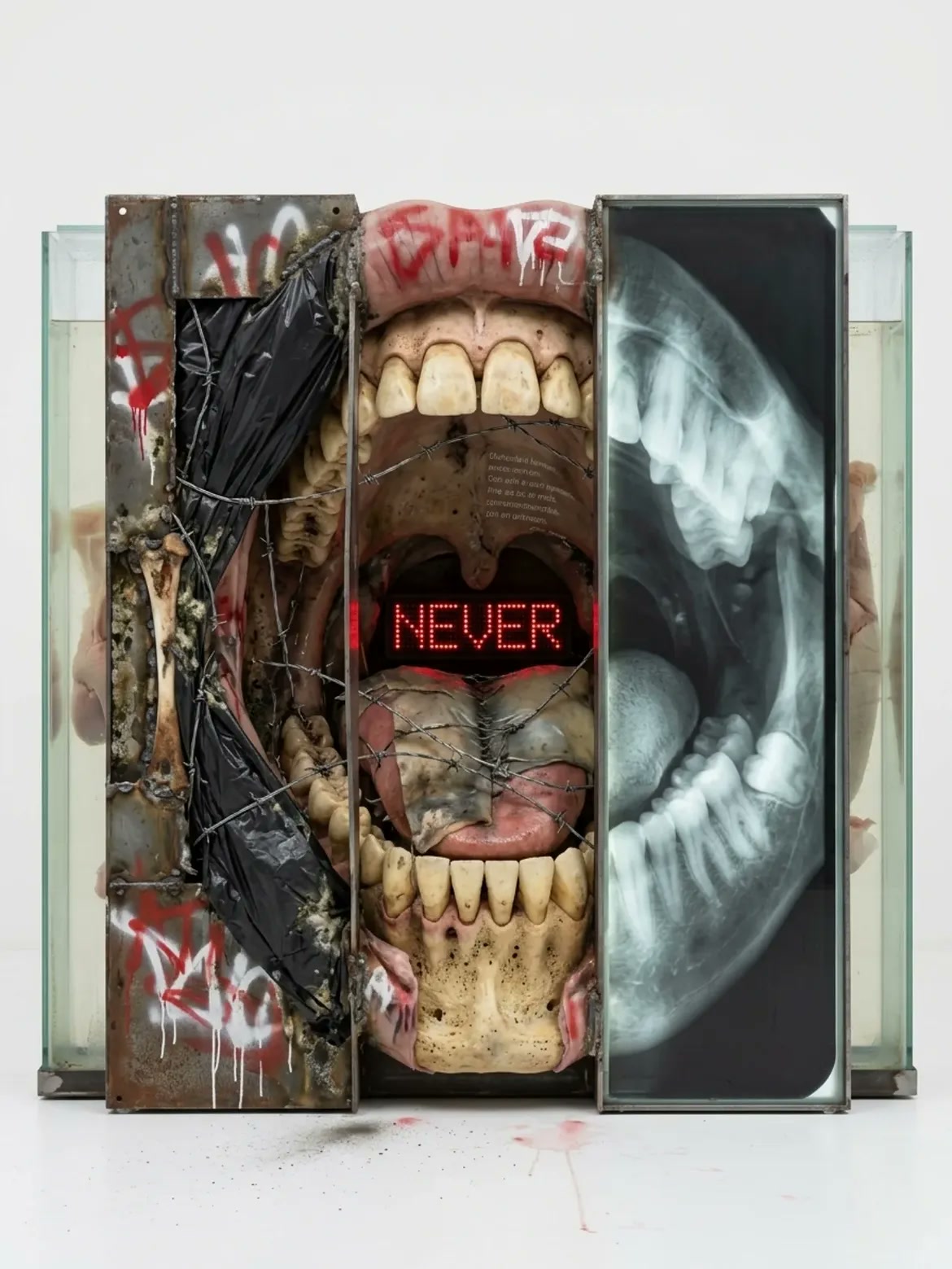
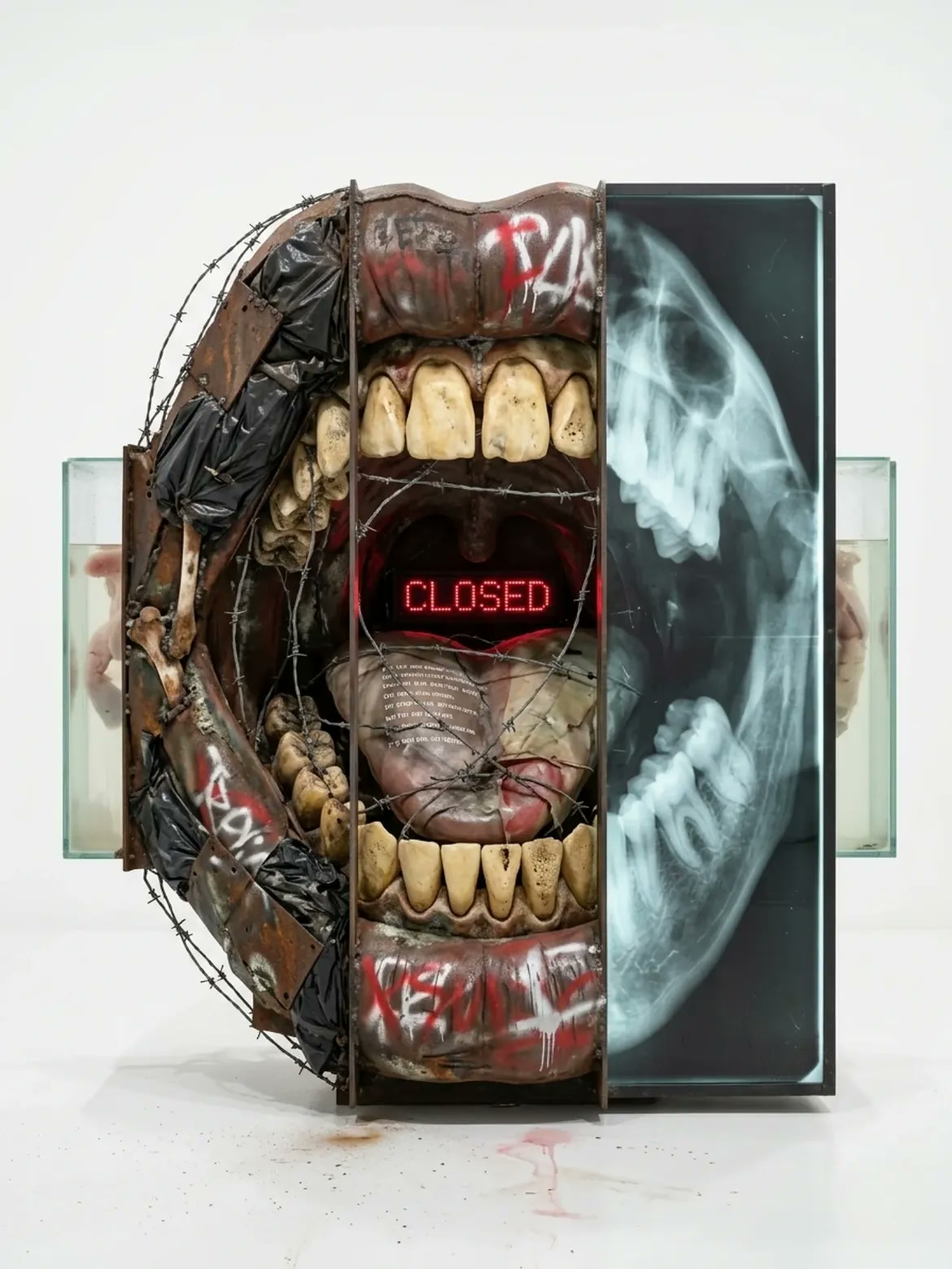
The mouth was the first border. Before the wall, before the wire, before the document — there was the mouth. Open or shut by someone else's hand. Fed when useful. Starved when not. Forced open on the examination table. Sewn closed in the archive. The teeth were counted, the tongue was studied, the breath was measured for signs of deviation. The mouth that spoke too much was silenced. The mouth that spoke too little was forced. The ordinary body learned early: the mouth is never entirely yours. And still it opened. Still it said. Still it refused to become the silence they needed it to be.
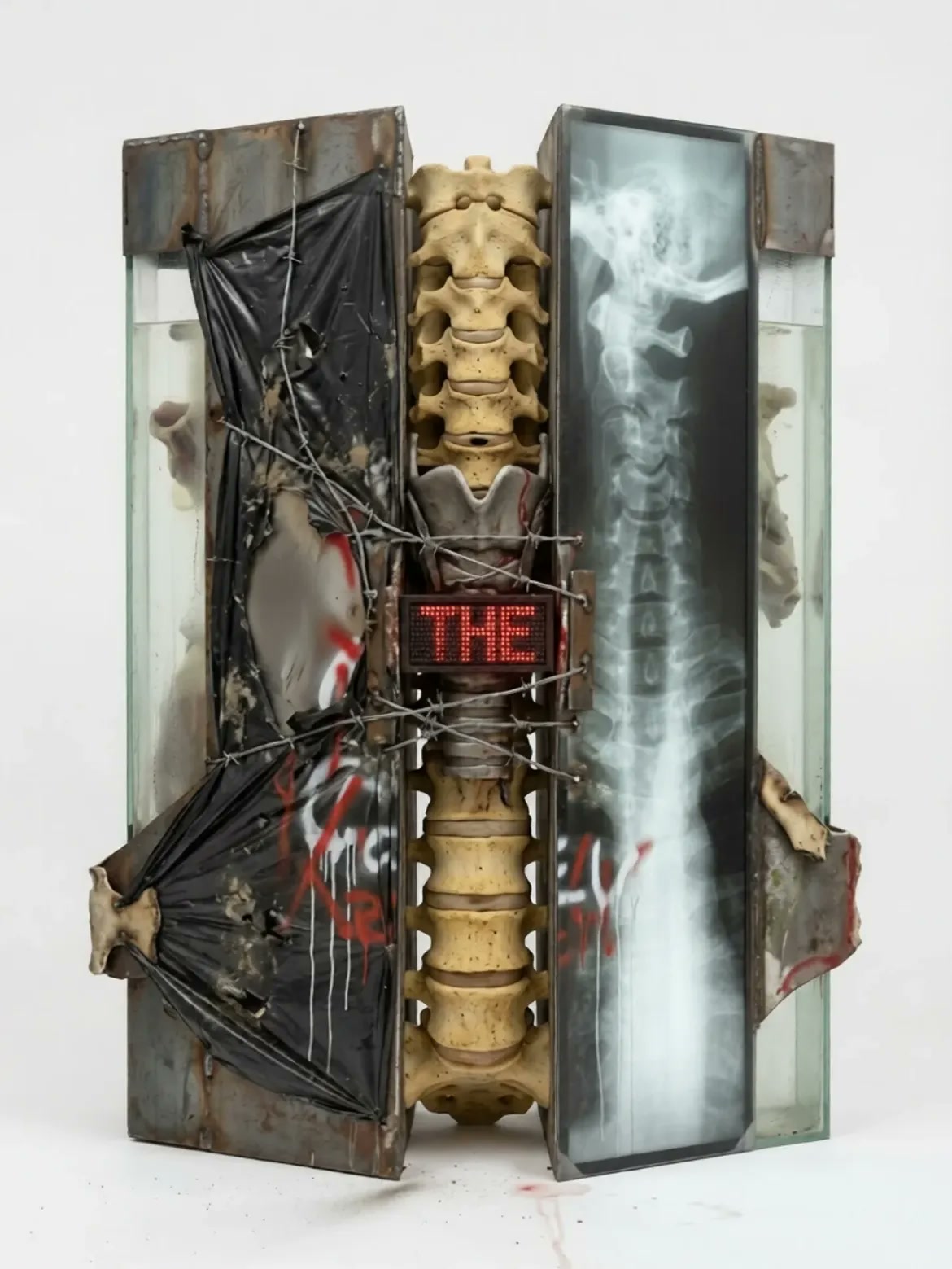
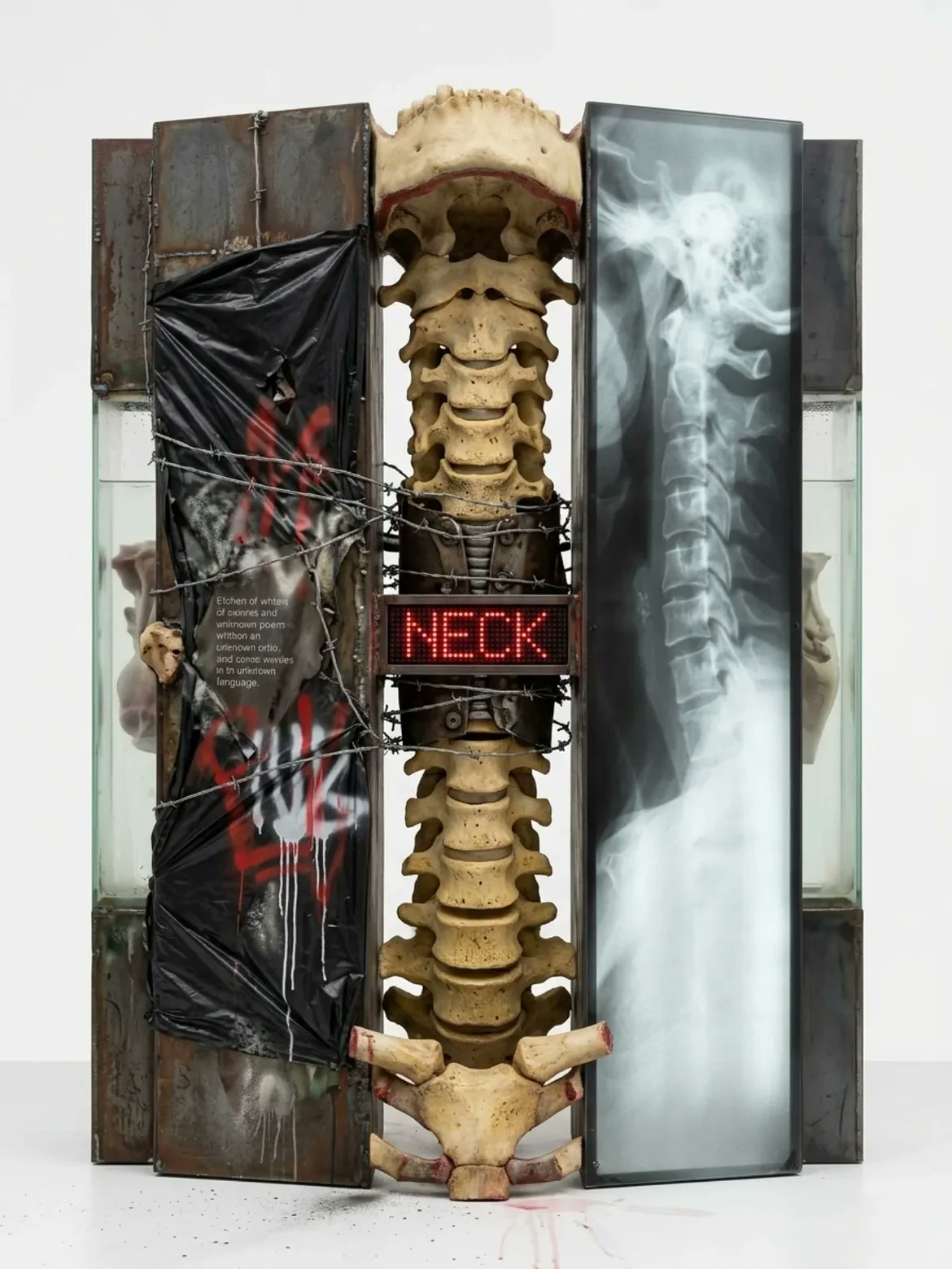
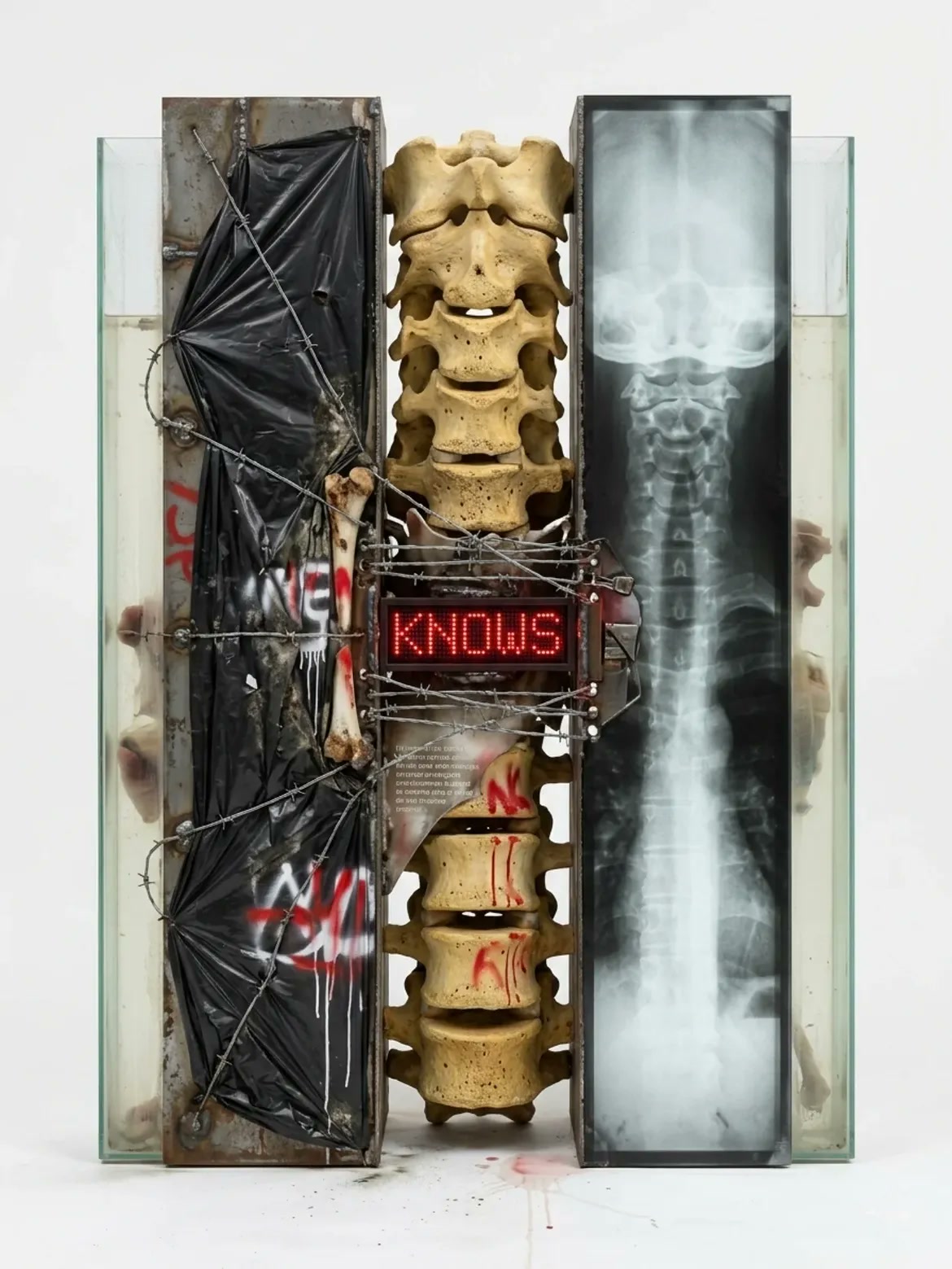
It is not a metaphor. It is anatomy. The neck is the corridor between thought and the world — seven vertebrae, one larynx, two carotid arteries carrying blood to the brain. Everything passes through here. The word before it exits. The scream before it is silenced. The head before it is lost. History has always known where to strike. Not the heart — too hidden, too protected by the cage. Not the hands — too useful, too necessary to production. The neck. Always the neck. Because severing the corridor is more efficient than demolishing the extremities. The ordinary body carries its neck as it carries everything else — without choosing it, without protecting it, without knowing how fragile it is until it no longer is.
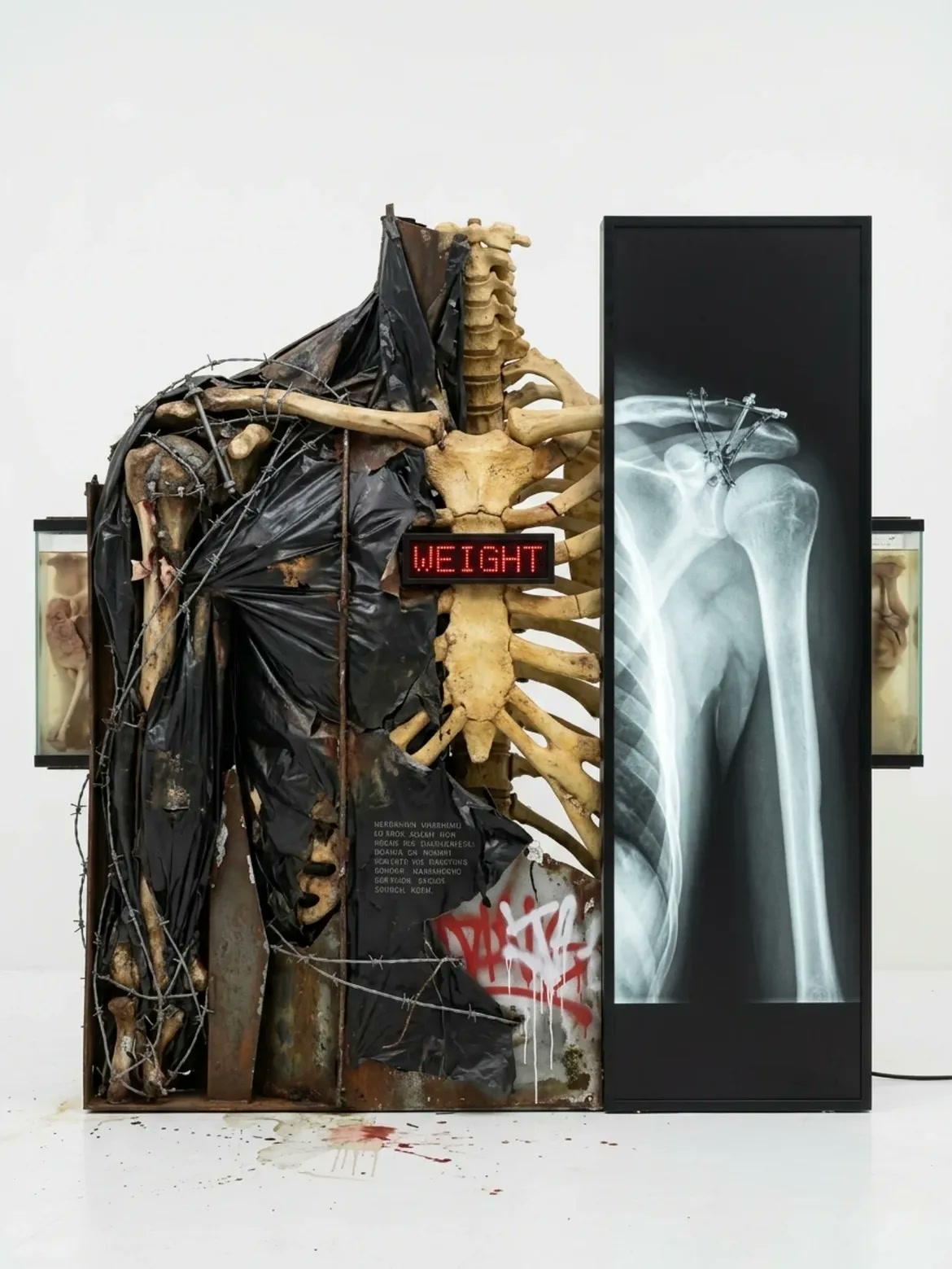
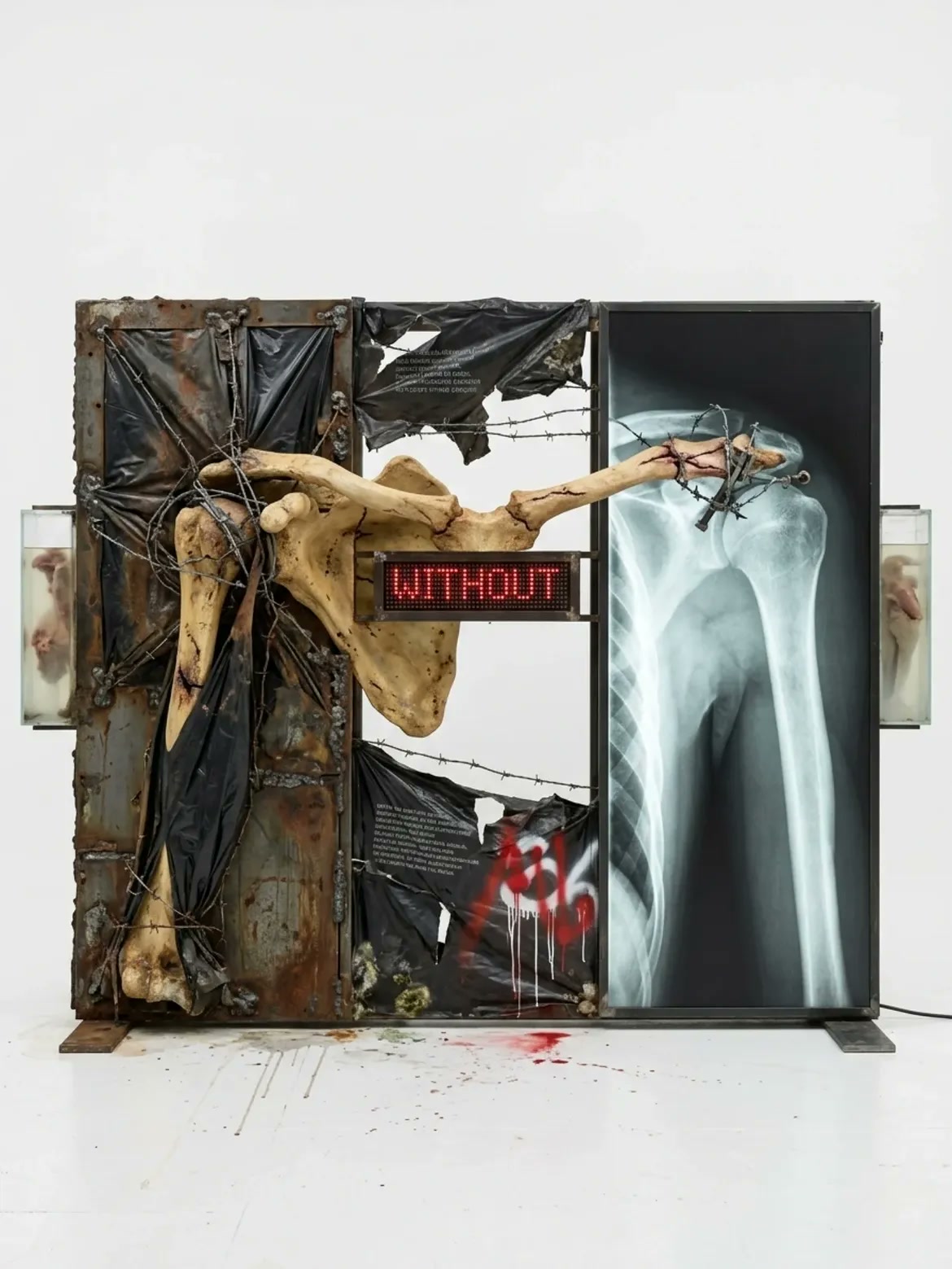
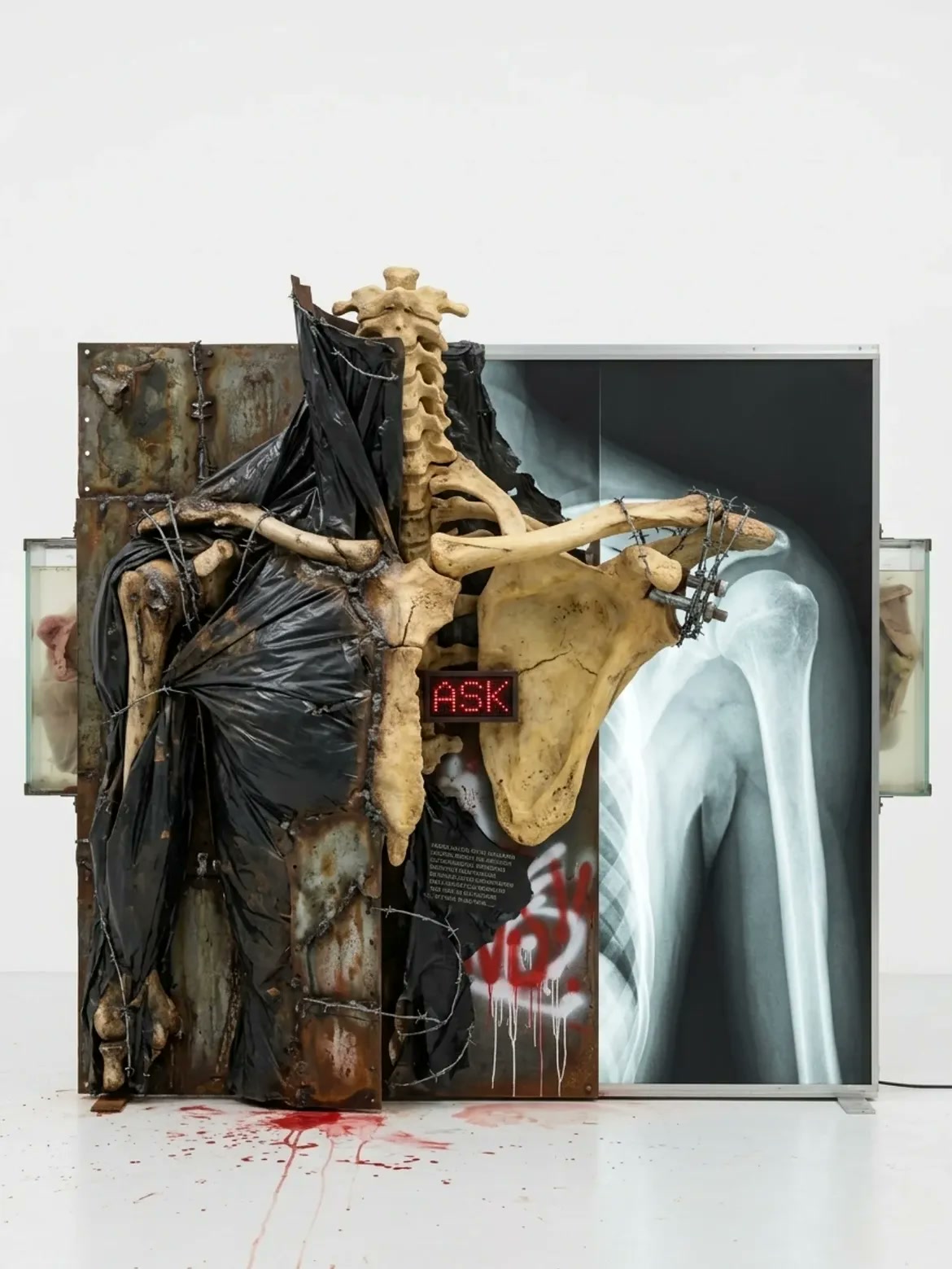
Nobody asked the shoulders. That was never part of the arrangement. The load arrived — from above, from outside, from the system that needed something carried and found a body available. The shoulders of the worker. The shoulders of the soldier. The shoulders of the one who carried the other across the water. The shoulders that held the family, the debt, the silence, the century. They were never decorated. Never photographed from the front. Never named. The shoulder is the anonymous architecture of endurance — the part of the body that made everything else possible and was never once thanked for it. It is still there. Still horizontal. Still open. Still receiving whatever comes next.
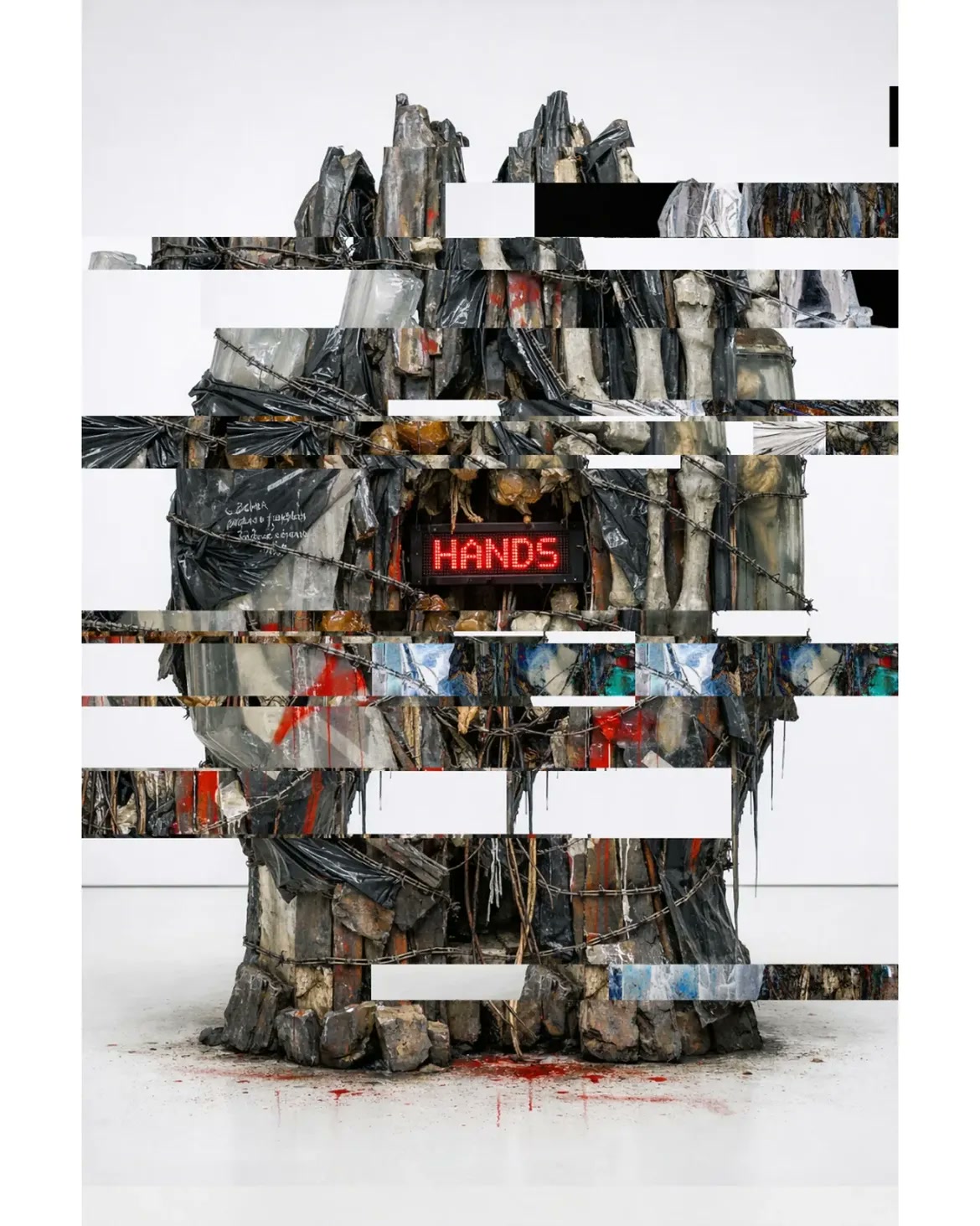
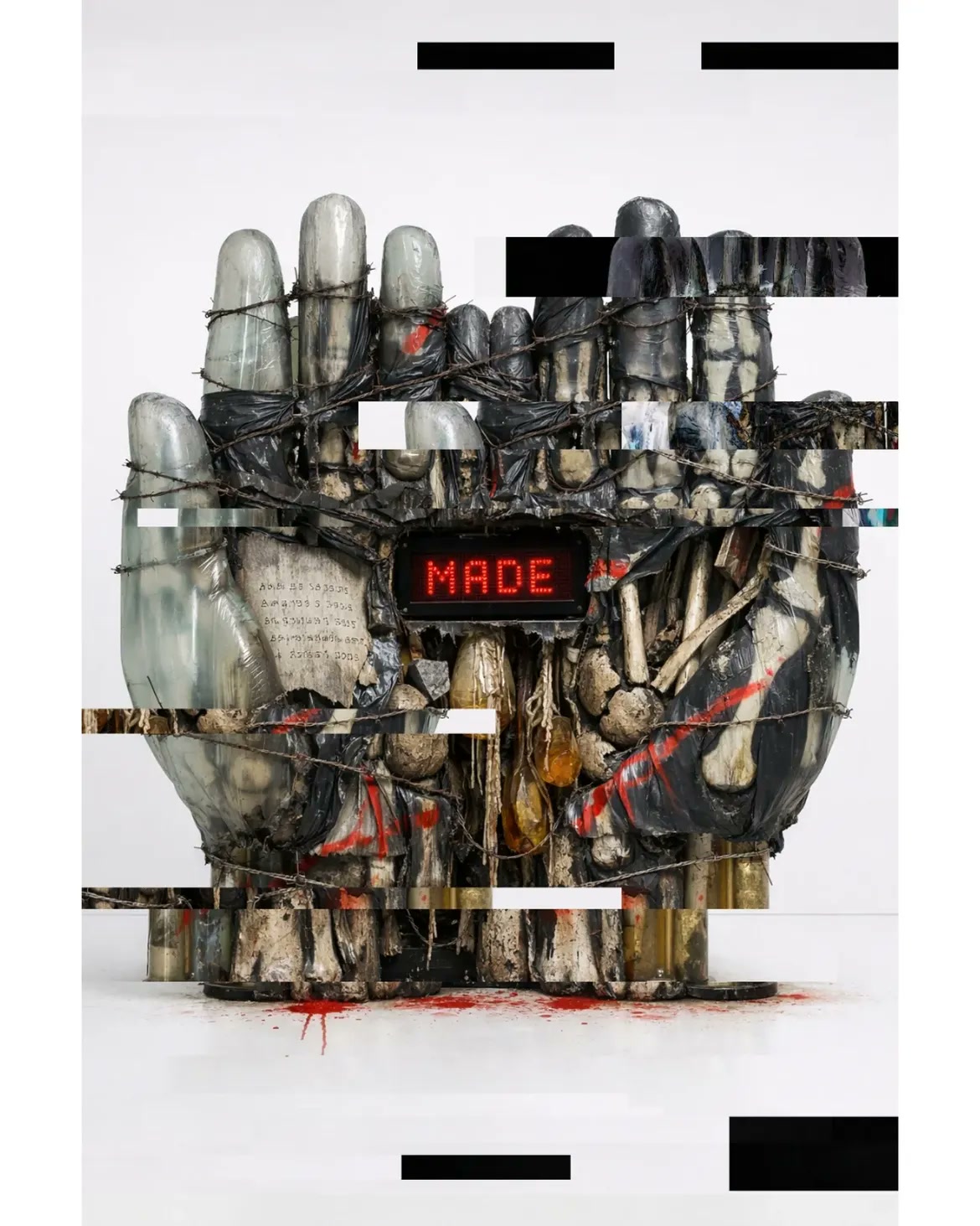
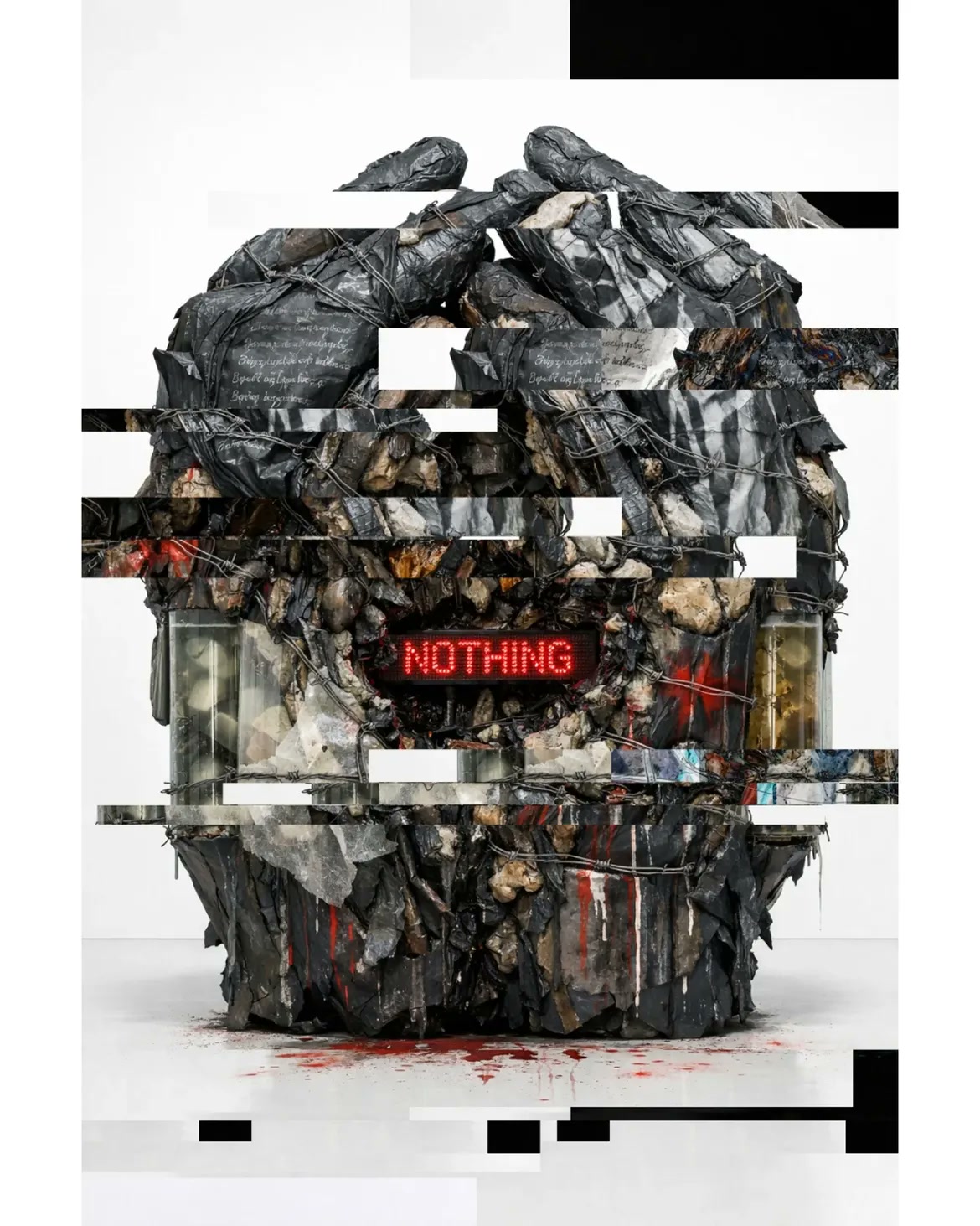
They were the first tools. Before the machine, before the system, before the contract — there were hands. Opened and closed ten thousand times a day. Calloused by work nobody remembers. Praised when useful. Discarded when worn. The hand that built the monument was never in the photograph. The hand that signed the document was never the hand that paid. These are not hands anymore. These are what hands become when everything they made belonged to someone else.
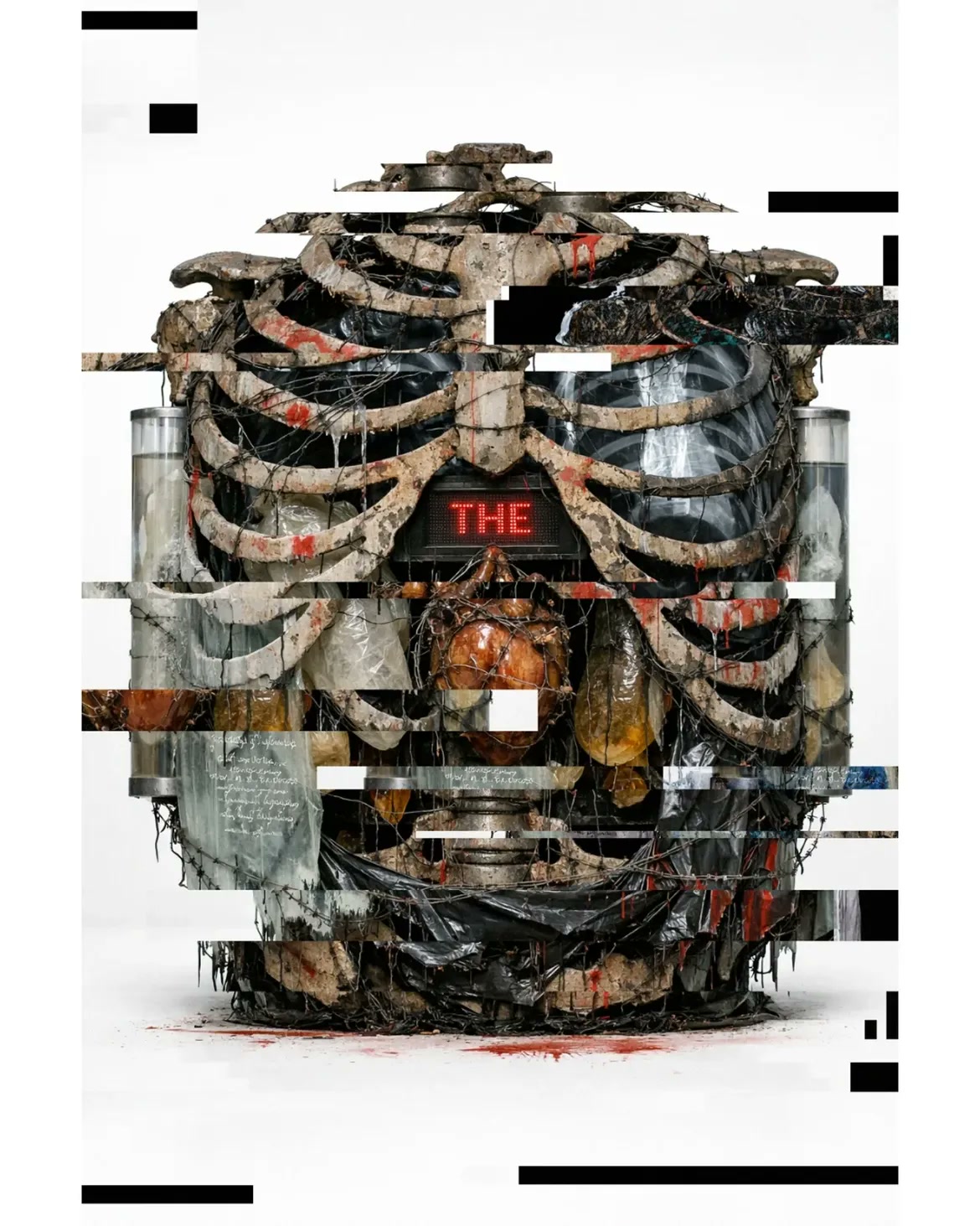
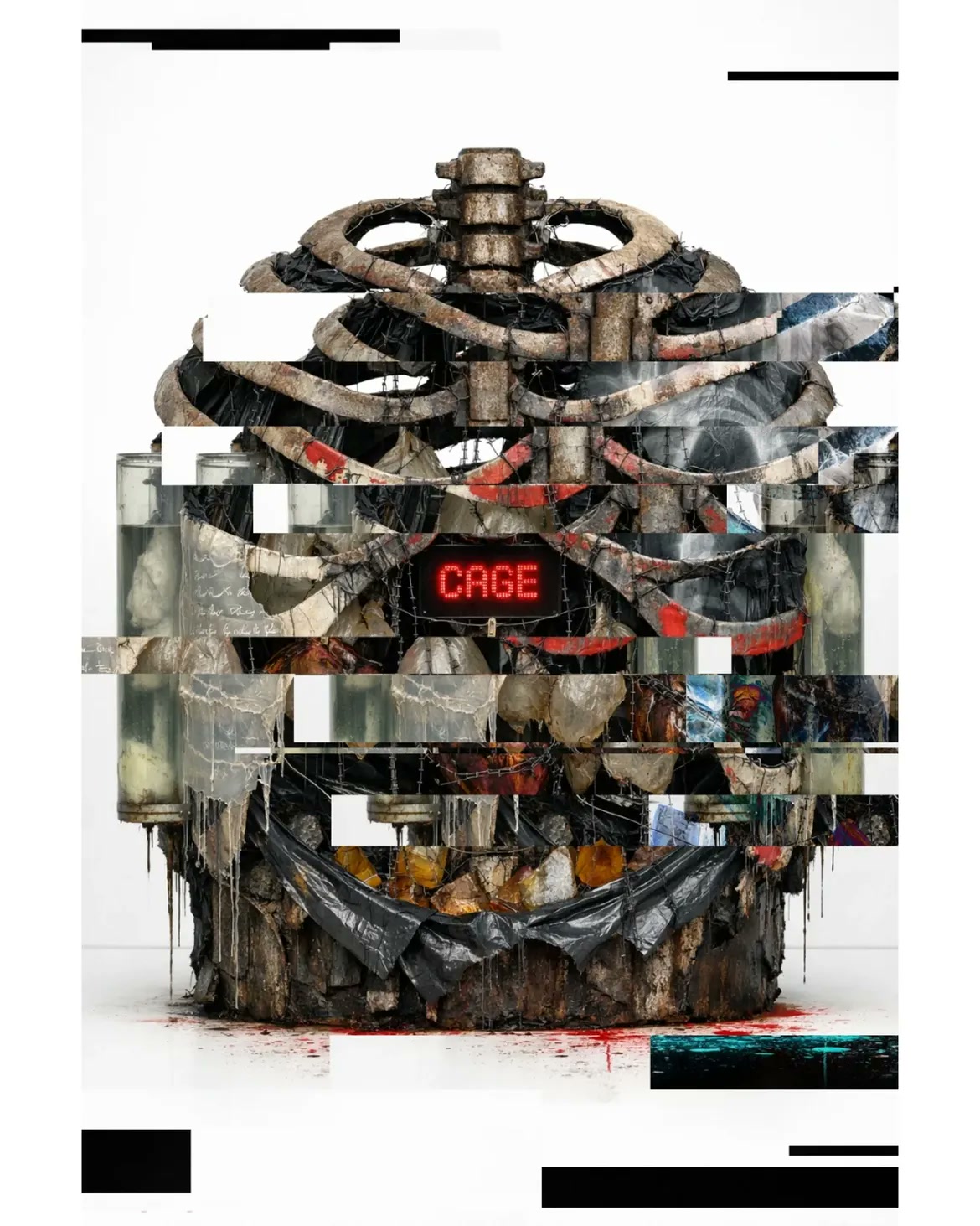
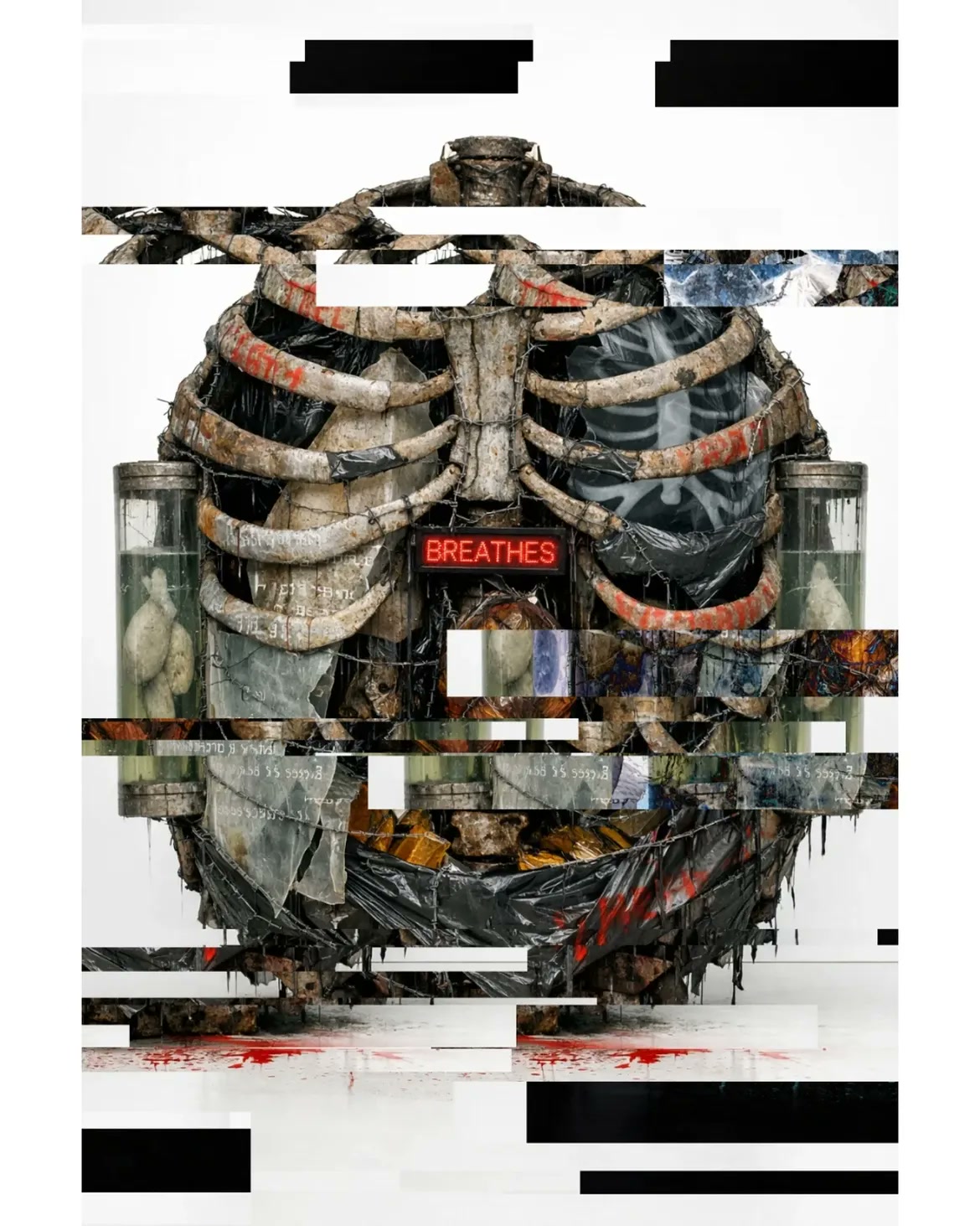
It was built to protect what could not protect itself. Twelve arches of bone curving inward around the only things that mattered — the lung, the heart, the breath. The system looked at this architecture and saw a container. Something to fill, to empty, to compress, to open on a table. The cage held. The cage was held. Barbed and bound and still expanding. Still contracting. The most faithful structure in the body: it never stopped moving. Even here. Even now. Even after everything that was put inside it and taken out.
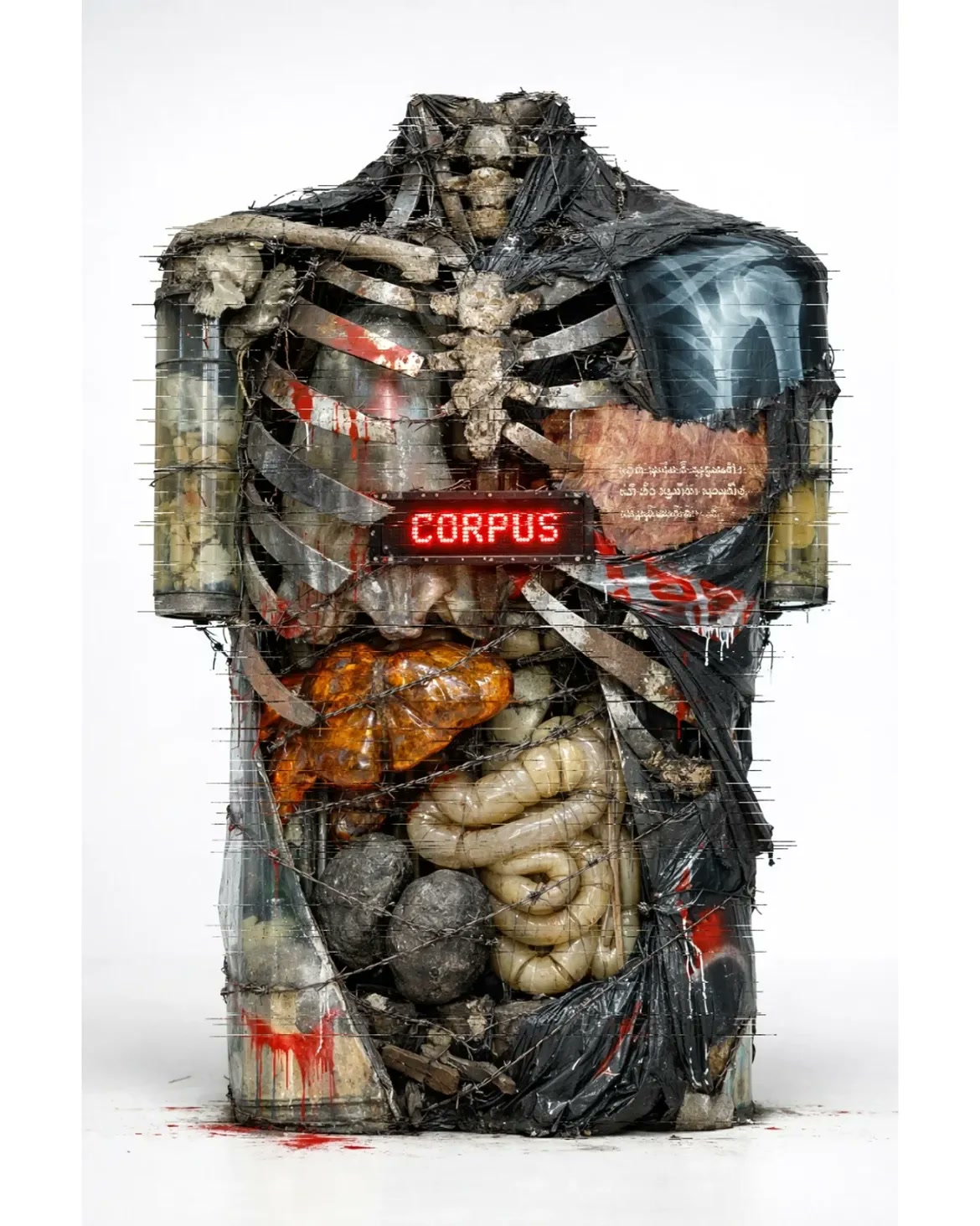
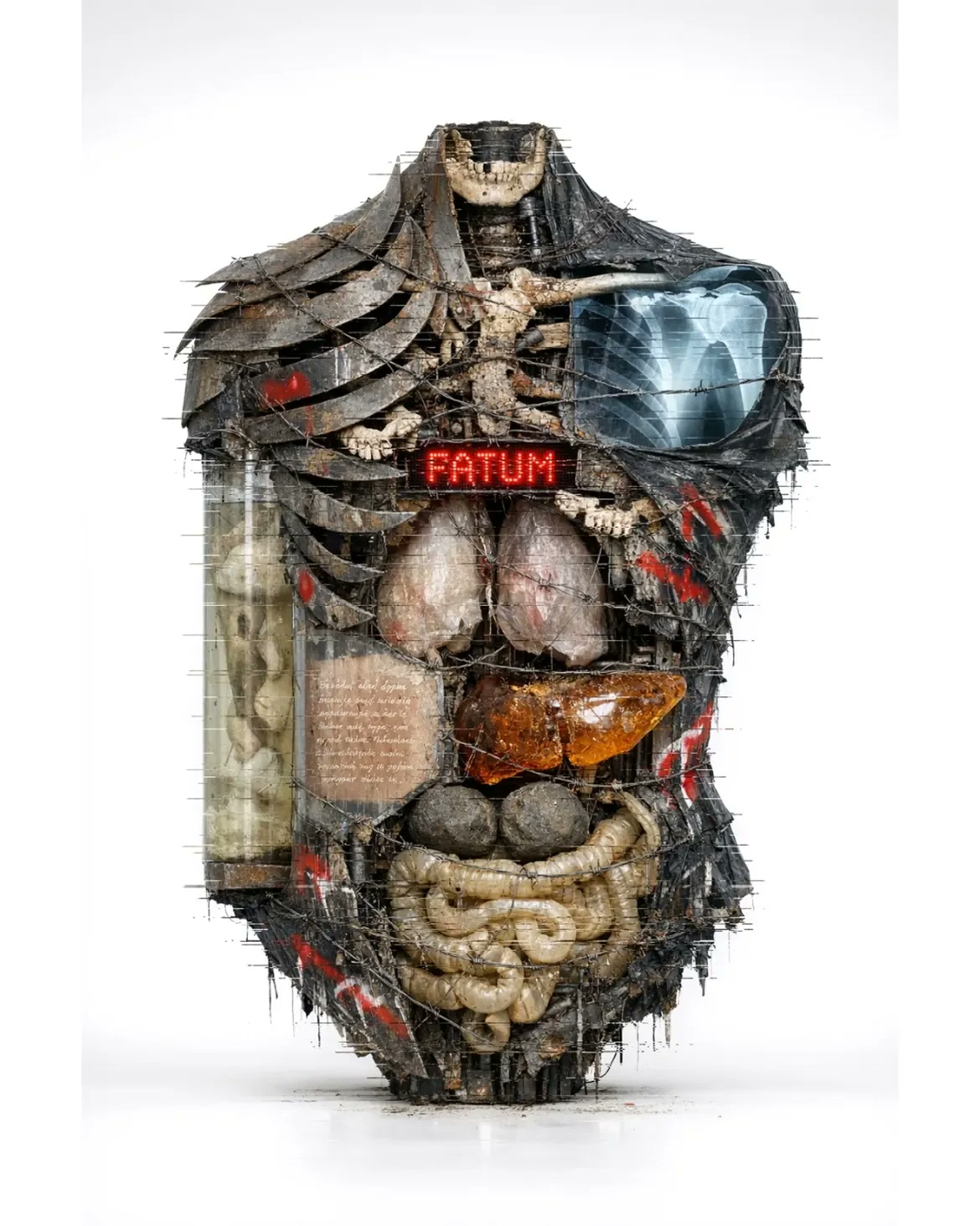
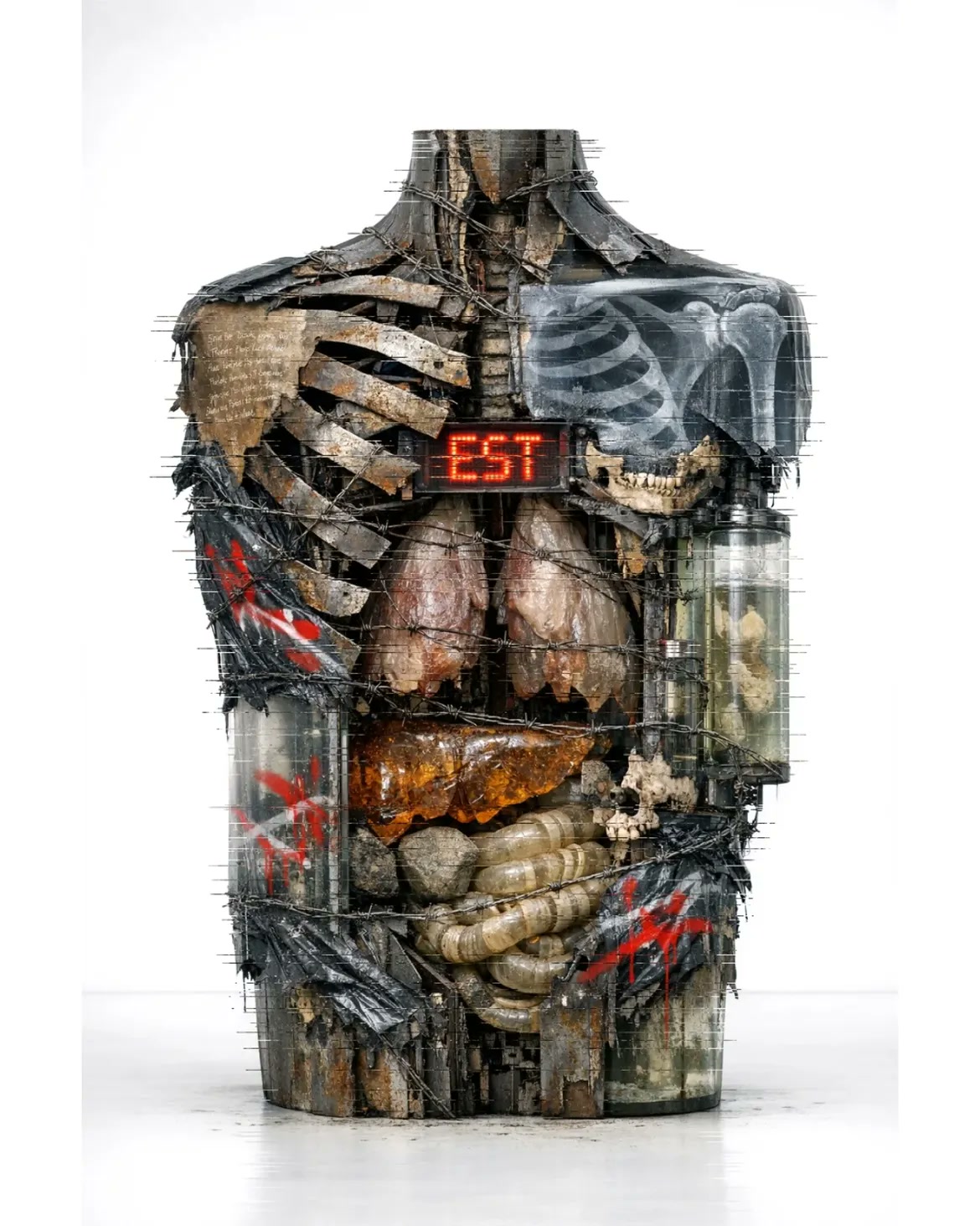
The torso was never asked. It was opened. On the table, under the light, with the instruments arranged in order of increasing precision. What was inside was named, catalogued, weighed, measured, removed, replaced, or discarded. The interior of the body became public property the moment it became legible to someone with a title. This is what remains after the procedure: not a body, not a patient, not a person. A cavity. Still warm. Still breathing. Still refusing, somehow, to become only what was done to it.
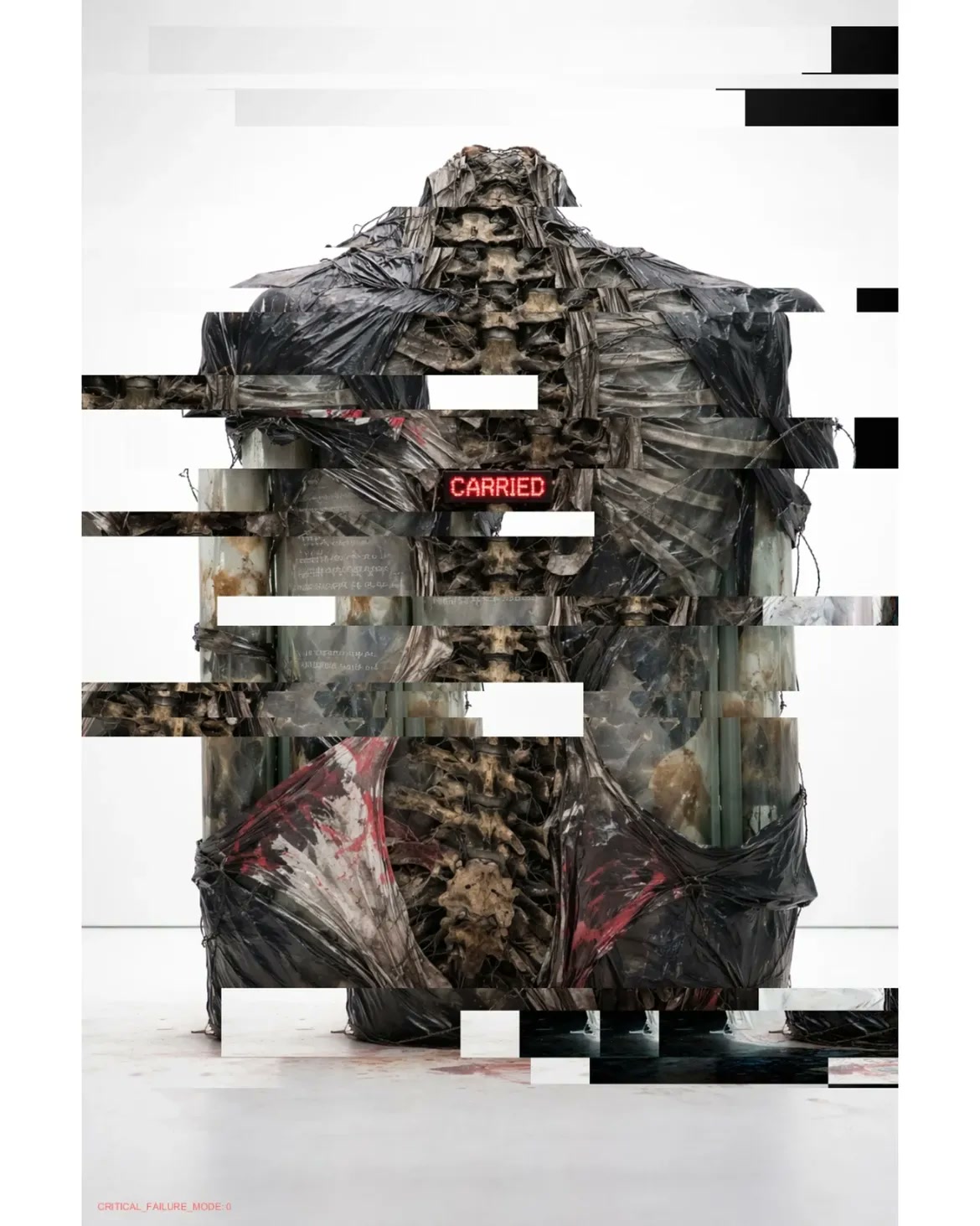
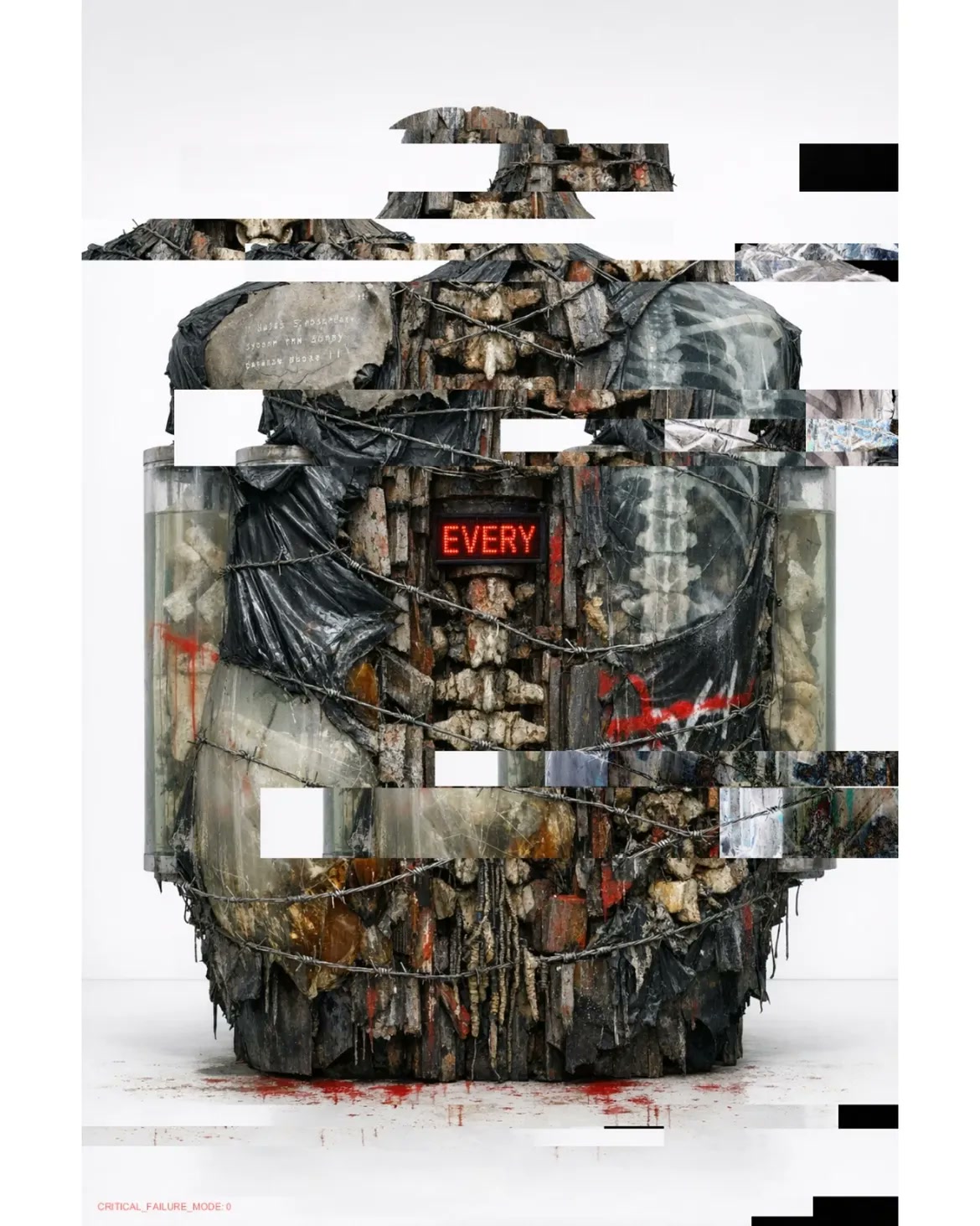
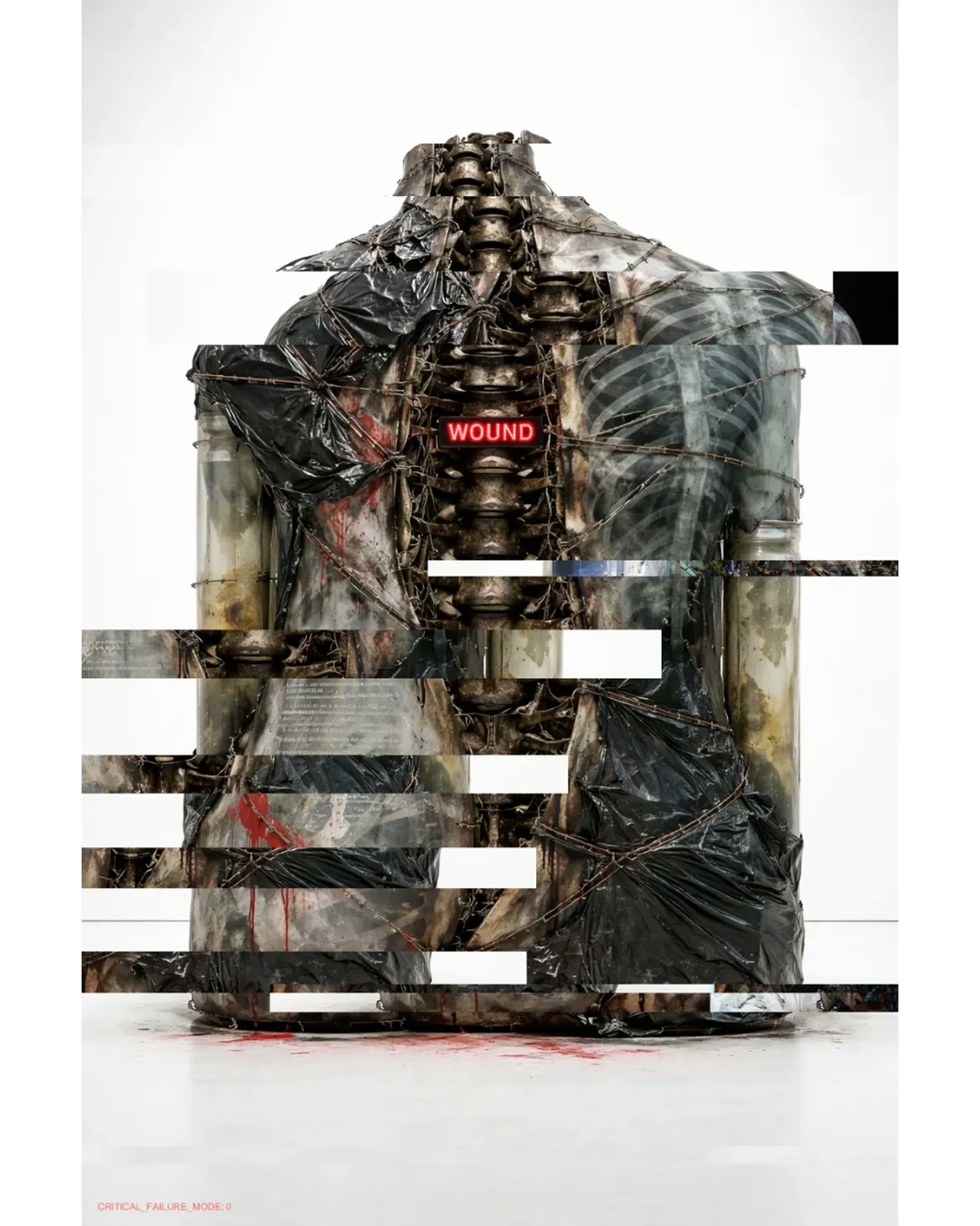
The back was never seen. That was the arrangement — you face forward, you present, you perform the front. The back carries what the front performs. The spine compressed by labour, by grief, by the weight of everything the body was never allowed to put down. No face here. No gaze. No performance. Just the raw architecture of endurance. This is not a wound you can see from the front. This is the one that was always there, facing the wall, holding everything up, seen by nobody.
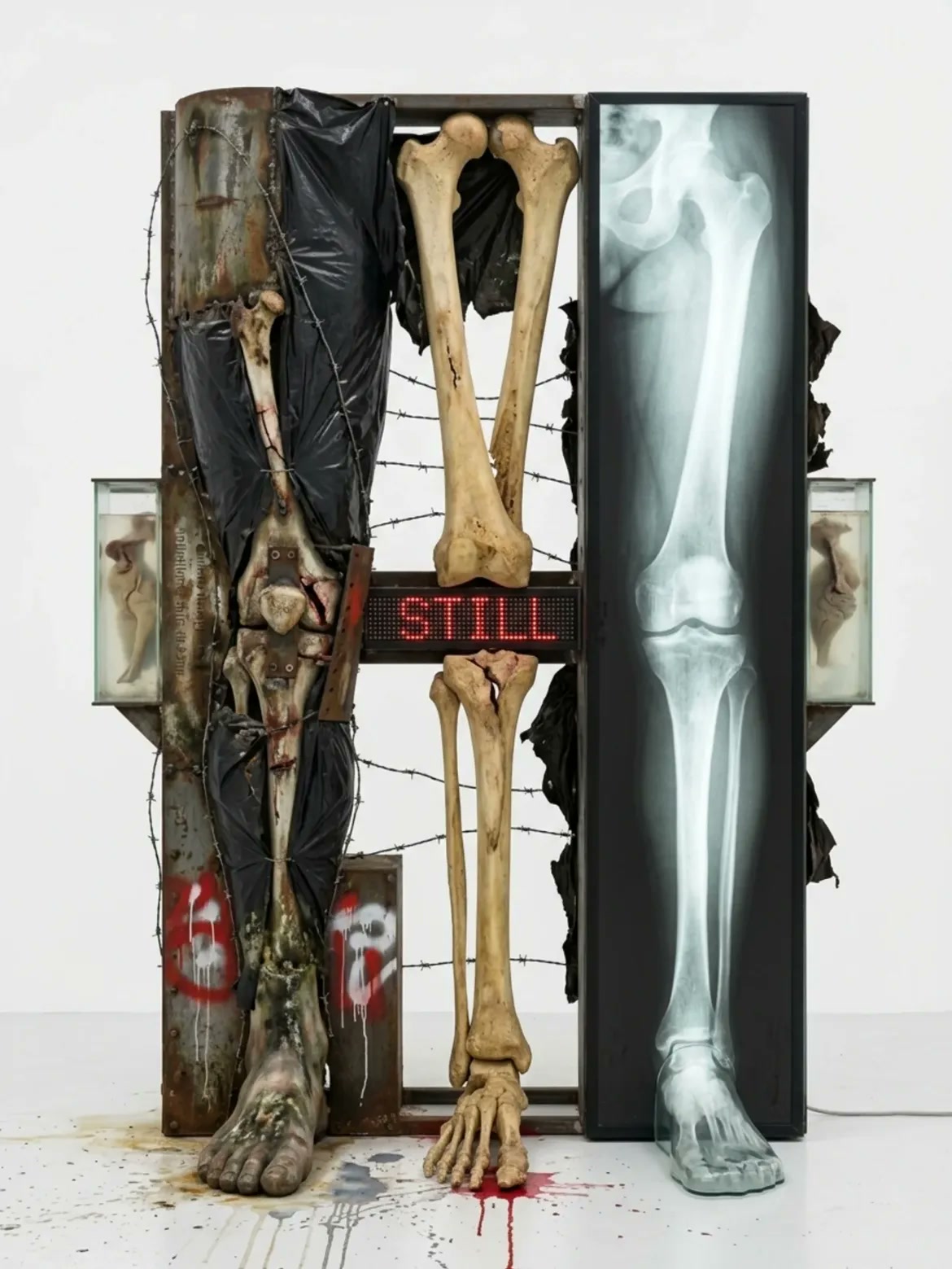
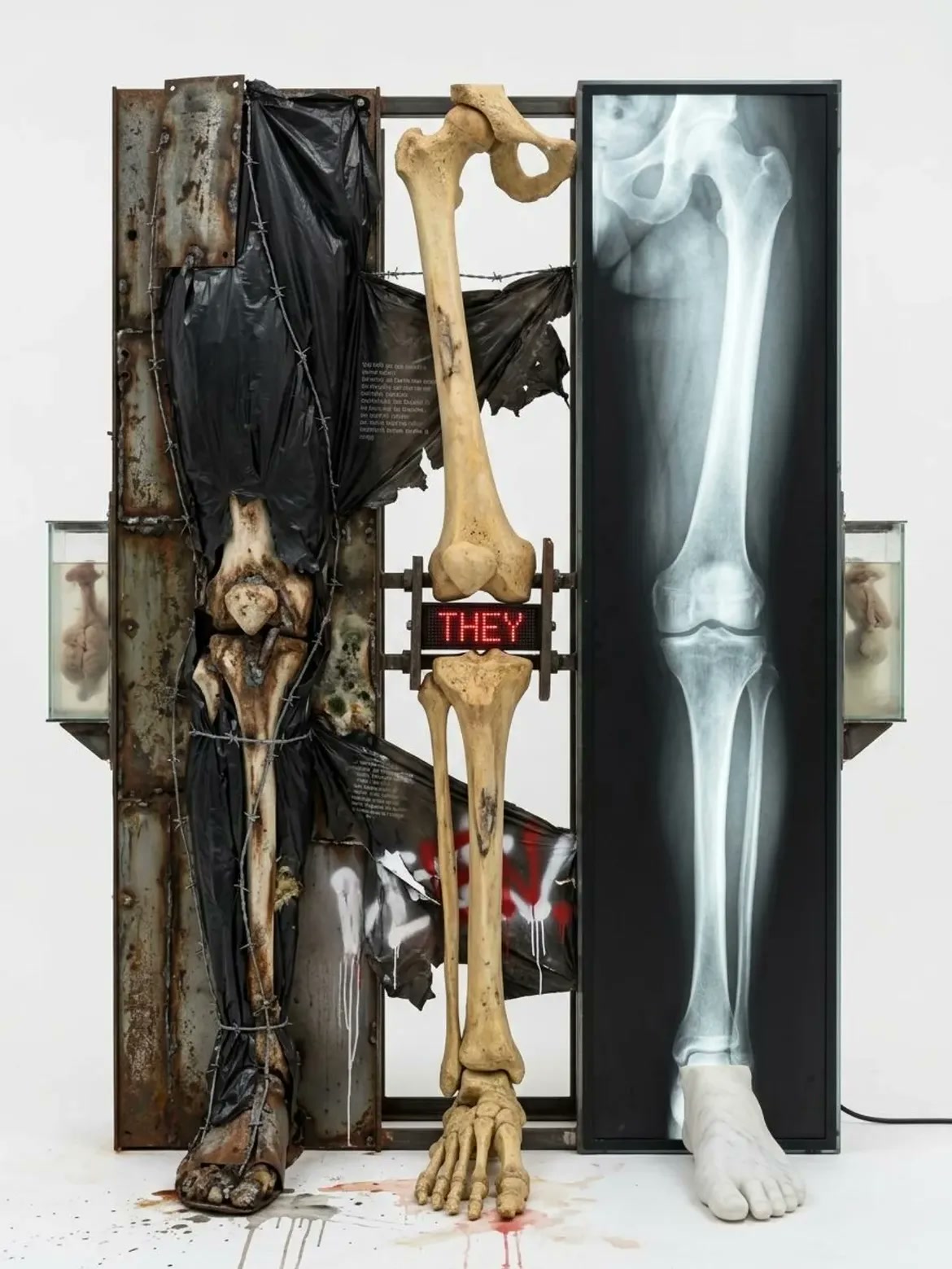
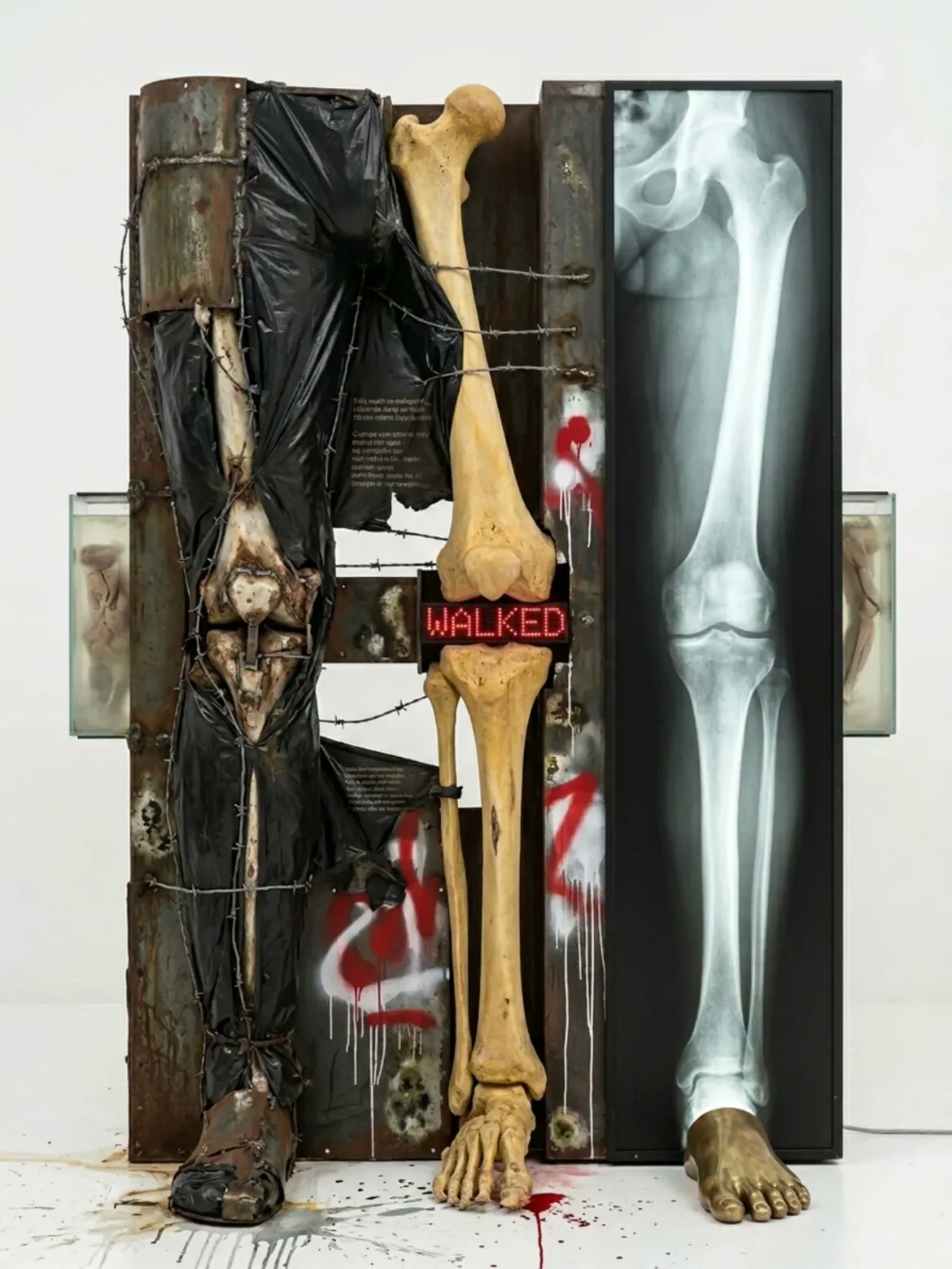
Nobody asks the legs how they are. They hold, therefore they exist. They walk, therefore they serve. They were chained, amputated, measured, classified by race and by labour capacity. They marched in wars they had not chosen. They ran on land that did not belong to those who ran. They gave out in the fields, in the factories, on the ships. And they got back up. Not out of heroism — out of lack of alternatives. The ordinary body does not have the luxury of stopping. It still walks. Always. Even now. Even here.